
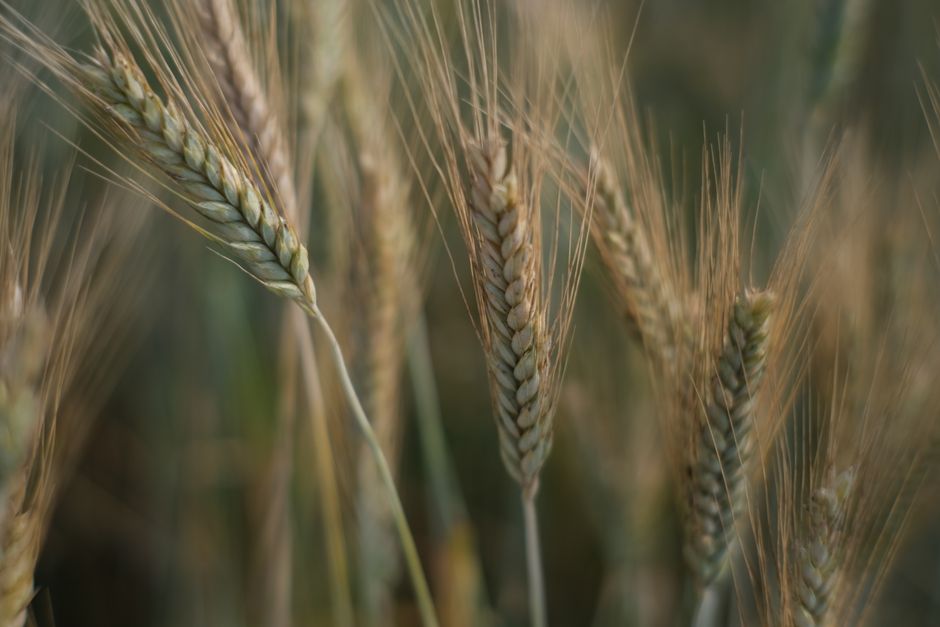
Gluten is a group of proteins found in wheat, barley, and rye. For most people, it is a harmless part of food. For people with celiac disease, it triggers an immune reaction that damages the small intestine. For others, it can cause real symptoms without the intestinal damage seen in celiac disease. So the word “harmful” does not apply to everyone equally. It depends on the person. That distinction is where most confusion starts.
What Is Gluten And Why Is It Harmful?
Gluten is not one single protein. It is a mixture of two protein families: gliadins and glutenins. These proteins give wheat dough its stretch and its ability to hold shape. They are also what makes bread chewy and pasta firm.
Gluten becomes a problem when the body’s immune system reacts to it abnormally. In celiac disease, the immune system attacks the lining of the small intestine after gluten is eaten. That attack flattens the tiny finger-like projections called villi that absorb nutrients. Over time, this leads to poor absorption of iron, calcium, folate, and other nutrients.
This is an autoimmune response, not a simple allergy. It is also not the same as a wheat allergy, where the immune system reacts to wheat proteins with a different type of antibody. And it is not the same as non-celiac gluten sensitivity, a condition that is real but less well understood.
Three different problems, three different mechanisms. Treating them as one thing is the source of most bad advice about gluten.
Who Actually Needs To Avoid Gluten?
People with celiac disease must avoid gluten for life. This is not a preference or a wellness choice. Eating gluten causes ongoing intestinal damage, even when symptoms are mild or absent.
Celiac disease affects roughly 1 in 100 people worldwide, according to estimates used by major gastroenterology organizations. Many cases go undiagnosed because symptoms vary widely. Some people have diarrhea and weight loss. Others have anemia, fatigue, or no obvious gut symptoms at all.
The second group is people with a confirmed wheat allergy. This is an immune reaction, sometimes severe, and wheat must be avoided. This is different from celiac disease in both mechanism and testing.
The third group is people with non-celiac gluten sensitivity. These individuals test negative for celiac disease and wheat allergy but report symptoms that improve on a gluten-free diet. The evidence here is mixed. Some studies support the condition, others show that symptoms may not be caused by gluten itself. FODMAPs, a group of fermentable carbohydrates also present in wheat, may explain symptoms in some people.
For everyone else, there is no established medical reason to avoid gluten.
What Are The Symptoms Of Gluten-Related Conditions?
Symptoms differ by condition. This matters because the tests and the treatments differ too.
In celiac disease, common symptoms include diarrhea, bloating, gas, fatigue, and weight loss. But the presentation is highly variable. Some people have constipation. Some have iron-deficiency anemia that does not respond to supplements. Children may fail to grow as expected. Others have no digestive symptoms at all.
In wheat allergy, symptoms usually appear within minutes to hours of eating wheat. They can include hives, itching, swelling, nasal congestion, or difficulty breathing. In rare cases, it causes a severe reaction called anaphylaxis, which is a medical emergency.
In non-celiac gluten sensitivity, reported symptoms include bloating, abdominal pain, headache, fatigue, and “brain fog.” These overlap heavily with symptoms of other conditions, including irritable bowel syndrome. That overlap makes diagnosis difficult and makes self-diagnosis unreliable.
One non-obvious point: symptoms alone cannot tell you which condition you have. The overlap is too large. Testing is what separates them.





How Is Gluten-Related Disease Diagnosed?
Celiac disease is diagnosed with blood tests followed, in most cases, by a small bowel biopsy. The blood tests look for specific antibodies, including tissue transglutaminase antibodies. The biopsy shows whether the villi are damaged.
There is a critical catch. These tests only work if the person is still eating gluten. Going gluten-free before testing can make the results look normal even when celiac disease is present. This is one of the most common reasons for missed diagnosis.
Wheat allergy is evaluated differently. It involves skin prick testing, specific antibody blood tests, and sometimes supervised food challenges. These are handled by an allergist.
Non-celiac gluten sensitivity has no confirmed biomarker. It is generally diagnosed by excluding celiac disease and wheat allergy first, then observing whether symptoms change with diet. Some clinicians recommend a structured elimination and reintroduction process rather than permanent avoidance based on a hunch.
Getting the right test before changing your diet is not a small detail. It determines whether you get a real answer or spend years guessing.
Is A Gluten-Free Diet Healthier For Everyone?
No. For people without celiac disease, wheat allergy, or confirmed gluten sensitivity, there is no consistent evidence that a gluten-free diet improves health.
In fact, gluten-free products are often lower in fiber, iron, and certain B vitamins than their wheat-based counterparts. Many are made with refined flours and starches. Some are higher in sugar and fat to compensate for texture. A gluten-free diet is a medical treatment, not a general wellness upgrade.
There is also a cost issue. Gluten-free products typically cost more than regular versions. For people who need them, that cost is unavoidable. For everyone else, it buys nothing.
One clarification worth stating plainly: the popularity of gluten-free eating has outpaced the science. That does not mean celiac disease is rare or unimportant. It means the diet has been marketed far beyond the group it actually helps.
What Happens If Celiac Disease Goes Untreated?
Untreated celiac disease causes ongoing damage to the small intestine. That damage leads to poor absorption of nutrients, which can cause anemia, osteoporosis, and other problems over time.
It is also associated with an increased risk of certain cancers, including intestinal lymphoma, though this is uncommon. The risk appears to fall with long-term adherence to a strict gluten-free diet.
Other associated conditions include infertility, nerve damage, and skin conditions such as dermatitis herpetiformis, an intensely itchy blistering rash. These are not caused by eating gluten in the moment. They develop from the sustained immune response.
This is why the distinction between celiac disease and other gluten-related issues matters. For celiac disease, avoiding gluten is not optional. For the other groups, the picture is different and sometimes unclear.
What Foods Contain Gluten?
Gluten is found in wheat, barley, rye, and triticale, a cross between wheat and rye. It shows up in obvious foods like bread, pasta, and cereal. It also hides in less obvious places.
- Soy sauce and many marinades
- Beer, ale, and most malt beverages
- Some soups, sauces, and gravies thickened with flour
- Processed meats and meat substitutes
- Some medications and supplements
- Certain cosmetics and lip products
Oats are naturally gluten-free but are often contaminated during growing and processing. Certified gluten-free oats are grown and handled to avoid cross-contact.
For people with celiac disease, even small amounts of cross-contact can trigger a reaction. Shared toasters, cutting boards, and utensils can transfer gluten. This is why strict avoidance is harder than it sounds.
Reading labels matters. In the United States, foods labeled “gluten-free” must meet a defined standard for gluten content set by the FDA. That label is a reliable guide, though it does not cover every product category.
Can You Outgrow Gluten Problems?
Celiac disease is lifelong. It does not go away with age or with time on a gluten-free diet. The immune response returns when gluten is reintroduced.
Wheat allergy can sometimes resolve, especially in children. Some children outgrow it, but this should be confirmed by an allergist before reintroducing wheat.
Non-celiac gluten sensitivity is less predictable. Some people report that symptoms change over time, but the evidence on long-term outcomes is limited. There is no reliable way to predict who will improve and who will not.
What is consistent across all three: guessing is not a strategy. If you suspect a problem with gluten, testing before dietary change gives you the clearest answer.
Frequently Asked Questions
Is gluten bad for everyone?
No. Gluten is harmful only for people with celiac disease, wheat allergy, or a confirmed sensitivity. For most people, it causes no problems.
What does gluten do to the body?
In most people, gluten is digested like any other protein. In celiac disease, it triggers an immune attack on the small intestine that damages nutrient absorption.
How do I know if I have a gluten problem?
Only testing can tell you. Blood tests and sometimes a biopsy are used for celiac disease, and allergy testing is used for wheat allergy.
Should I stop eating gluten before getting tested?
No. Going gluten-free before testing can make celiac test results look normal even when the disease is present.
