
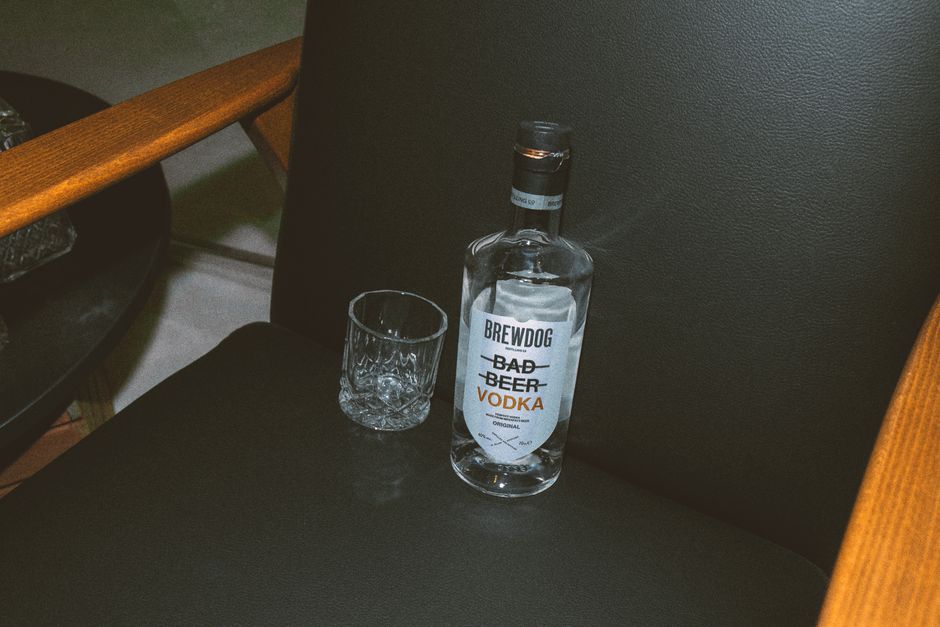
If you have celiac disease or gluten sensitivity, the short answer is no — not all vodka is gluten free. Most vodka is distilled from gluten-containing grains like wheat, rye, or barley. Distillation removes almost all gluten protein, but not every bottle is safe. Some vodkas add flavorings or are bottled in facilities that cause cross-contamination. The only way to be sure is to check the label or choose vodka made from ingredients that are naturally gluten free.
What Makes Vodka Gluten Free or Not?
Vodka starts as a mash of fermented ingredients. Traditional vodka comes from grains. Wheat, rye, and barley are common. These grains contain gluten. The question is whether the gluten survives the distillation process.
Distillation heats the fermented mash to create vapor, then cools it back into liquid. Gluten proteins are large molecules. They do not evaporate easily. Most experts agree that properly distilled spirits from gluten grains contain less than 20 parts per million of gluten. That is the FDA threshold for labeling something gluten free.
But there is a catch. Some vodkas add color, flavor, or sweetness after distillation. These additives can introduce gluten. Even if the base spirit is safe, the finished product may not be. The Celiac Disease Foundation states that distilled spirits from gluten grains are generally safe, but they recommend checking for added ingredients.
Which Vodkas Are Made From Gluten Free Ingredients?
Some vodkas skip gluten grains entirely. They use ingredients that are naturally gluten free. This removes any doubt about safety. Common gluten free bases include potatoes, corn, grapes, and sugarcane.
Potato vodka is a popular choice. Brands like Chopin and Luksusowa use only potatoes. Corn vodka is another option. Tito’s Handmade Vodka is made from corn and is labeled gluten free. Grape vodka, like Ciroc, is also safe. Rice vodka exists too, though it is less common in the US.
Vodka made from sugar cane or molasses is also gluten free. These bases contain no gluten proteins at any stage. If you want zero risk, choose a vodka with a gluten free label and a base ingredient that is not a gluten grain.
Is All Vodka Gluten Free After Distillation?
This is where the debate lives. Some researchers and health organizations say yes — distillation removes gluten completely. Others say no — trace amounts may remain. The disagreement comes down to testing methods and individual sensitivity.
Research published in the Journal of Agricultural and Food Chemistry found that distilled spirits from gluten grains had gluten levels below 5 parts per million. That is well under the 20 ppm threshold. The study used a test called ELISA, which is the standard for detecting gluten in food.
But some people with celiac disease report symptoms after drinking grain-based vodka. This could be due to cross-contamination at the bottling facility. It could also be a reaction to something else in the drink, like congeners or added flavorings. The evidence is not clear. The safest position is that distillation greatly reduces gluten but does not guarantee zero for everyone.





What Does the FDA Say About Vodka and Gluten?
The FDA regulates gluten free labeling for foods and beverages. Alcoholic beverages fall under the Alcohol and Tobacco Tax and Trade Bureau, or TTB, not the FDA. But the FDA has issued guidance on distilled spirits.
The FDA states that distilled spirits made from gluten grains can be labeled gluten free if the distillation process removes gluten and the final product tests below 20 ppm. This is a voluntary standard. Many major vodka brands choose not to test or label their products as gluten free even if they likely are.
The TTB allows gluten free claims on vodka labels if the producer can show evidence. But the rules are not as strict as for food. Some brands label their vodka gluten free while others do not, even when made from the same ingredients. This inconsistency makes it hard for consumers to know what is safe.
How to Choose a Safe Vodka If You Have Celiac Disease
If you have celiac disease or a confirmed gluten sensitivity, do not rely on distillation alone. Follow these steps to choose a vodka that is safe for you.
- Check the label for gluten free certification. Look for a certified gluten free seal from organizations like the Gluten Intolerance Group or the Celiac Sprue Association. This means the product has been tested.
- Read the ingredient list. Avoid vodkas with added flavorings, colors, or sweeteners unless they are labeled gluten free. Flavored vodkas are a common source of hidden gluten.
- Choose a gluten free base ingredient. Potato, corn, grape, rice, and sugar cane vodkas are naturally gluten free. Stick with these to eliminate risk.
- Contact the manufacturer. Many companies have customer service lines or websites that list allergen information. Ask if they test for gluten and what their production process looks like.
- Avoid vodkas from shared facilities. Some distilleries process multiple grain types in the same equipment. This can cause cross-contamination. If the brand does not disclose this, consider it a risk.
The table below compares common vodka bases and their gluten safety.
| Base Ingredient | Naturally Gluten Free | Common Brands | Risk Level |
|---|---|---|---|
| Wheat | No | Grey Goose, Belvedere | Low after distillation, but not zero for everyone |
| Rye | No | Ketel One | Low after distillation, but not zero for everyone |
| Barley | No | Finlandia | Low after distillation, but not zero for everyone |
| Potato | Yes | Chopin, Luksusowa | Very low |
| Corn | Yes | Tito’s, Deep Eddy | Very low |
| Grape | Yes | Ciroc | Very low |
| Sugar cane | Yes | Green Mark | Very low |
What Are the Side Effects of Drinking Grain Vodka With Celiac Disease?
Some people with celiac disease experience symptoms after drinking grain-based vodka. Common reports include bloating, stomach pain, diarrhea, and fatigue. These symptoms can appear within hours of drinking.
It is not clear whether these reactions come from trace gluten or something else. Vodka is a strong alcohol. It can irritate the gut lining on its own. People with celiac disease often have sensitive digestive systems. Alcohol can worsen that sensitivity.
Some researchers think that certain proteins in grain vodka, other than gluten, may trigger reactions. This is not well studied. If you react to grain vodka but not to potato or corn vodka, the base ingredient is likely the cause. Stick with gluten free bases and see if symptoms improve.
Common Misconceptions About Vodka and Gluten
One common myth is that all clear spirits are gluten free. This is not true. Vodka, gin, and some rums can be made from gluten grains. The color of the spirit has nothing to do with gluten content.
Another myth is that cheap vodka is more likely to contain gluten. Price does not determine gluten safety. Some expensive wheat vodkas may have trace gluten, while cheap corn vodkas are completely safe. The base ingredient and production process matter, not the price tag.
A third misconception is that flavored vodka is always safe because it is just vodka with fruit. Flavored vodkas often contain additives that may include gluten. Some brands use malt or barley in their flavoring syrups. Always check the label or contact the company before drinking flavored vodka.
Is All Vodka Gluten Free for People Without Celiac Disease?
For people without celiac disease or gluten sensitivity, all vodka is effectively gluten free. The trace amounts in grain-based vodka are far below any level that would cause a reaction in a healthy person. The vast majority of people can drink any vodka without issue.
Non-celiac gluten sensitivity is a real condition, but it is less common than many people think. If you have been diagnosed with it, you should still choose gluten free base vodkas to be safe. If you have no gluten issues at all, you do not need to worry about the base ingredient.
Some people report feeling better after switching to gluten free vodka even though they do not have celiac disease. This is likely due to the placebo effect or the fact that they are drinking less overall. There is no evidence that grain vodka causes harm in people without gluten disorders.
Frequently Asked Questions
Is Tito’s vodka gluten free?
Yes, Tito’s Handmade Vodka is made from corn and is labeled gluten free. It is widely considered safe for people with celiac disease.
Can I drink Grey Goose if I have celiac disease?
Grey Goose is made from wheat and is distilled. Most experts consider it safe, but some people with celiac disease report reactions. Choose a potato or corn vodka for zero risk.
Does cheap vodka have more gluten than expensive vodka?
No, price does not affect gluten content. The base ingredient and distillation process determine safety, not the cost of the bottle.
What is the safest vodka for gluten sensitivity?
Potato vodka, corn vodka, and grape vodka are naturally gluten free and carry the lowest risk. Look for certified gluten free labels to be sure.
