
Visual field defects are blind spots or areas of vision loss within your normal field of view. They are caused by damage to any part of the visual pathway, from the retina at the back of the eye to the visual processing centers in the brain. The specific pattern of vision loss often points directly to where the damage occurred.
What Are the Different Types of Visual Field Defects?
Visual field defects are not all the same. The location and shape of the blind spot tell doctors what part of the visual system is injured. A scotoma is an isolated blind spot within a field of otherwise normal vision. A small one near the center of vision is called a central scotoma. This makes reading or recognizing faces difficult.
A larger loss that covers half of the visual field in each eye is called hemianopia. When the same half is missing in both eyes, it is called homonymous hemianopia. This usually means damage is in the brain, not the eye itself. Quadrantanopia is a loss of one quarter of the visual field. Tunnel vision, where only central vision remains, is typical of advanced glaucoma or retinitis pigmentosa.
The key point is that the pattern of vision loss is a map. An eye doctor uses this map to trace the problem backward along the visual pathway. A defect in the same spot in both eyes points to the brain. A defect in only one eye points to that eye or its optic nerve.
What Are the Most Common Causes of Visual Field Defects?
Glaucoma is one of the most common causes. The optic nerve is slowly damaged by high eye pressure, and vision loss starts in the periphery. The American Academy of Ophthalmology states that glaucoma affects about 3 million Americans, and half do not know they have it. The vision loss is permanent once the nerve fibers die.
Stroke is another major cause. When blood flow to part of the brain is blocked, the visual processing area can be damaged. This often causes homonymous hemianopia, where the same half of the visual field is lost in both eyes. The National Institute of Neurological Disorders and Stroke reports that stroke is a leading cause of long-term disability, and visual field defects are a common result.
Brain tumors can press on the optic nerves or the visual pathways in the brain. Pituitary tumors, for example, often press on the optic chiasm where the nerves cross. This causes a specific pattern called bitemporal hemianopia, where the outer half of vision is lost in both eyes. Other causes include optic neuritis, head trauma, and retinal detachment.
| Cause | Typical Pattern of Vision Loss | Key Detail |
|---|---|---|
| Glaucoma | Peripheral loss, tunnel vision | Often no symptoms until late stage |
| Stroke | Homonymous hemianopia (same half in both eyes) | Sudden onset, often with other symptoms |
| Pituitary tumor | Bitemporal hemianopia (outer half in both eyes) | Slow onset, may cause headache |
| Optic neuritis | Central scotoma in one eye | Pain with eye movement, vision loss over days |
| Retinal detachment | Curtain-like shadow in one eye | Medical emergency, needs immediate care |
How Are Visual Field Defects Diagnosed?
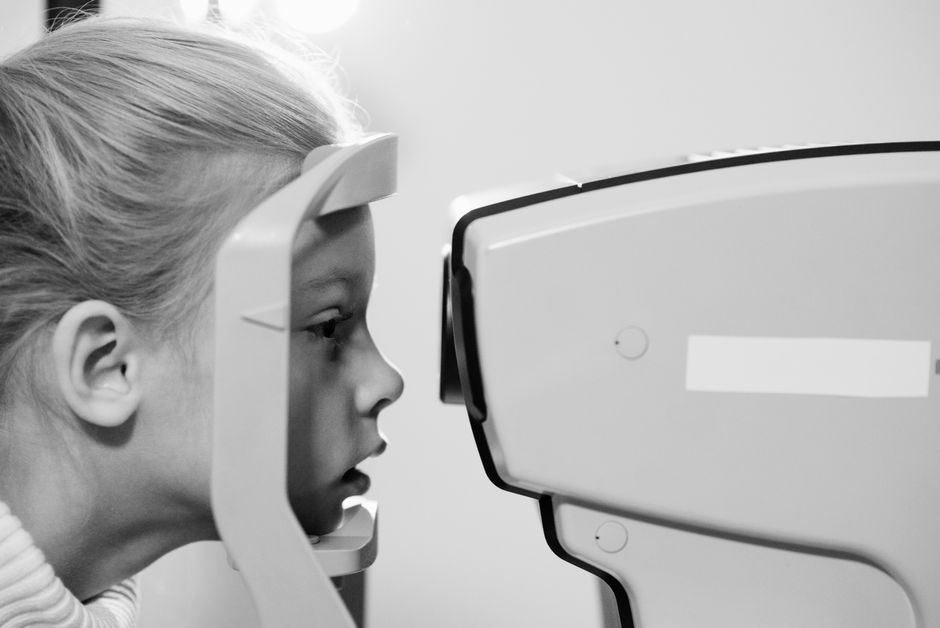
Diagnosis starts with a visual field test. You sit in front of a bowl-shaped machine and press a button when you see a small light. The machine maps where you can and cannot see. This test is called perimetry. It takes about 15 to 30 minutes per eye. The result is a gray-scale map of your visual field.
A normal visual field extends about 90 degrees to the side and 60 degrees up and down. Any area where you do not see the light is a defect. The pattern of the defect tells the doctor where the problem is. For example, a defect that respects the vertical midline in both eyes is almost always from the brain, not the eye.
Your doctor will also do a dilated eye exam to look at the retina and optic nerve. If the cause is not clear from the eye exam, imaging of the brain may be needed. An MRI or CT scan can show strokes, tumors, or other brain problems. Blood tests may check for conditions like diabetes or vitamin deficiencies that can affect vision.





What Are Visual Field Defects And What Causes Them in the Brain?
When the cause is in the brain, the pattern is predictable. The visual pathway from each eye splits and crosses at the optic chiasm. After that, the left half of the visual world from both eyes goes to the right side of the brain, and vice versa. Damage anywhere after the chiasm causes vision loss in the same half of the visual field in both eyes.
The most common brain causes are stroke, tumor, and traumatic brain injury. A stroke in the occipital lobe, which is the visual processing center at the back of the brain, is a frequent cause. Research published in the journal Stroke found that up to 60% of stroke survivors have some form of visual field defect. Many improve partially in the first few months, but complete recovery is rare.
Multiple sclerosis can also cause visual field defects through optic neuritis. The inflammation damages the optic nerve, causing a central scotoma in one eye. This is often the first symptom of MS for many people. The vision usually improves over weeks, but some loss may remain.
Can Visual Field Defects Be Treated or Improved?
Treatment depends entirely on the cause. If glaucoma is the problem, lowering eye pressure can slow or stop further vision loss. But it cannot bring back vision that is already gone. The same is true for damage from stroke or trauma. The dead nerve cells do not regenerate. The goal is to preserve remaining vision and help the person adapt.
Some people regain partial vision naturally in the first few months after a stroke or brain injury. This is called spontaneous recovery. The brain can sometimes reroute signals around the damaged area. Vision rehabilitation therapy can help maximize this recovery. Techniques include scanning training, where you learn to move your eyes more to cover the blind area.
There are no medications that can restore dead nerve cells in the visual system. Some clinics offer therapies like visual restoration training or electrical stimulation, but the evidence is mixed. A 2020 review in Cochrane Database of Systematic Reviews found no strong evidence that these treatments improve visual field defects. The most effective approach is rehabilitation and adaptation, not cure.
What Should You Do If You Notice a Visual Field Defect?
If you suddenly notice a blind spot or a curtain coming down over your vision, seek emergency care immediately. This could be a retinal detachment or stroke. Both are time-sensitive emergencies. Do not wait to see if it goes away. Every minute matters for preserving vision or preventing brain damage.
If the vision loss is gradual, schedule an eye exam as soon as possible. Glaucoma often has no symptoms until significant damage is done. The CDC recommends that adults over 40 get a comprehensive eye exam every two years. If you have diabetes, high blood pressure, or a family history of glaucoma, you may need exams more often.
Keep a record of what you notice. Does the blind spot move? Is it in the same place in both eyes? Does it come and go? This information helps your doctor narrow down the cause. Be honest about any other symptoms like headache, dizziness, or weakness. Visual field defects are often a sign of a bigger problem, and finding it early gives you the best chance.
- Sudden vision loss — Go to the ER. Could be stroke or retinal detachment.
- Gradual peripheral loss — See an eye doctor. Likely glaucoma.
- Same blind spot in both eyes — Brain imaging needed. Could be stroke or tumor.
- Blind spot in one eye with eye pain — Could be optic neuritis. See a neurologist.
Frequently Asked Questions
Can visual field defects go away on their own?
Some defects from stroke or optic neuritis can improve partially over weeks to months, but most permanent damage does not go away. Spontaneous recovery is possible in the first three to six months.
What does a visual field defect look like to the person?
Most people do not see a black spot; instead they notice missing details or bump into things on one side. The brain fills in the blind area with surrounding patterns, so you may not notice it consciously.
Is a visual field defect the same as being blind?
No, most people with visual field defects have normal vision in the remaining areas. Only complete loss of the entire field in both eyes is considered legal blindness.
Can driving be safe with a visual field defect?
Most states require a minimum visual field of 120 degrees to drive legally. A defect that reduces this below the limit makes driving unsafe and illegal in many places.
