
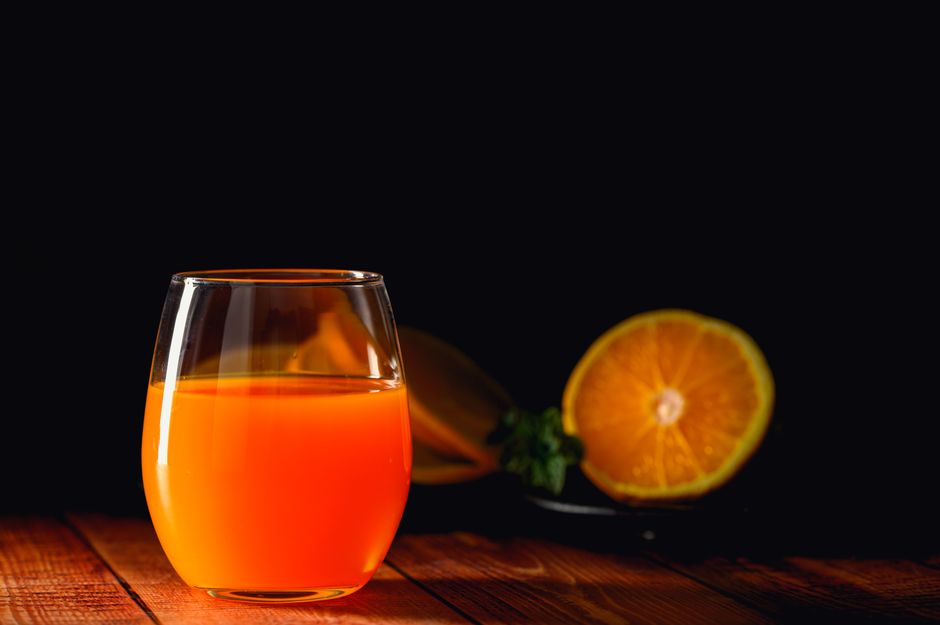
Fruit juice from concentrate is juice that has water removed after squeezing, making it smaller and cheaper to ship. Before it reaches your store, that water is added back. The process is straightforward, regulated, and far more common than most people realize — most commercial juice starts as concentrate, even when the label doesn’t say so.
What Is Fruit Juice From Concentrate?
Fruit juice from concentrate starts as freshly squeezed juice. Manufacturers remove 60 to 80 percent of the water using heat and vacuum pressure. What remains is a thick, syrupy liquid that weighs less and takes up less space. That concentrate is frozen or shelf-stable and shipped to bottling plants. There, an equal amount of water is added back, and the juice is pasteurized and packaged.
The key point is that concentrate is not a synthetic product. It is real fruit juice with water temporarily removed. The flavor and most nutrients survive the process, though heat-sensitive vitamins like vitamin C can decrease slightly during processing.
How Is Juice Made From Concentrate?
The process has clear steps. Fruit is washed, sorted, and crushed to extract the juice. The juice is then heated to evaporate water. This happens under vacuum, which lowers the boiling point so the juice does not need extreme heat. Lower temperatures help preserve flavor.
After concentration, the juice is rapidly cooled and stored. When it is time to bottle, processors add back the same amount of water that was removed. The juice is pasteurized to kill bacteria and extend shelf life. Some manufacturers add “flavor packs” — natural compounds derived from fruit peels or oils — to restore aroma lost during processing. This is legal and common, even in juices labeled “100 percent juice.”
Frozen concentrate you buy in a can works the same way. You add water at home. The only difference is where the water gets added.
Does Juice From Concentrate Have Less Nutrition?
Nutritionally, juice from concentrate is very similar to fresh juice. The main difference is that some vitamin C is lost during heating and storage. Vitamin C is heat-sensitive and degrades over time. Most commercial juices add vitamin C back after processing, so the final product often matches or exceeds fresh juice levels.
Other nutrients — potassium, folate, and most antioxidants — survive processing well. Fiber is largely absent in all juices, whether fresh or from concentrate, because the pulp is removed during pressing. If fiber matters to you, whole fruit is the better choice, not a different type of juice.
One practical difference: juice from concentrate often tastes more consistent. Fresh juice varies by harvest season and fruit ripeness. Concentrate is blended to a uniform flavor profile, so the taste is predictable from bottle to bottle.





Is Juice From Concentrate Worse Than Not From Concentrate?
No. “Not from concentrate” (NFC) juice is squeezed and bottled without the water-removal step. It is stored chilled and shipped in refrigerated tanks. NFC juice often tastes fresher because it undergoes less heat exposure. But the nutritional difference is minor.
Both types are pasteurized, both contain real fruit juice, and both have similar sugar content. A glass of orange juice from concentrate has roughly the same calories and sugar as a glass of NFC orange juice. The choice comes down to taste and price, not health.
One caveat: some juices labeled “from concentrate” have added sugar. This is more common in juice blends or juice drinks, not in 100 percent juice. Always check the ingredient list. If the label says “100 percent juice,” no sugar has been added. If it says “juice cocktail,” “juice drink,” or “beverage,” expect added sweeteners.
Does Juice From Concentrate Contain Added Sugar?
Not necessarily. “100 percent juice from concentrate” means the product contains only fruit juice and water. No sugar is added. The sweetness you taste comes from the fruit’s natural sugars — fructose and glucose — which are chemically identical to added sugar once digested.
The problem is that fruit juice, even without added sugar, is a concentrated source of sugar. A standard 8-ounce glass of orange juice contains about 21 grams of sugar, roughly the same as a serving of soda. Your body processes juice sugar quickly because there is no fiber to slow absorption. This causes a rapid rise in blood sugar.
This matters for people with diabetes, insulin resistance, or anyone watching their sugar intake. Whole fruit is always a better choice because the fiber slows sugar absorption and increases fullness. If you drink juice, portion control matters more than whether it came from concentrate.
How Should You Choose Juice?
Start with the label. Look for “100 percent juice” on the front of the package. Then check the ingredient list. It should contain only juice, and possibly vitamin C or calcium for fortification. Avoid anything with high-fructose corn syrup, cane sugar, or artificial sweeteners unless that is a deliberate choice.
Consider the serving size. Many bottles contain two or more servings. If you drink the whole bottle, you are getting double the sugar. Measure a standard 8-ounce serving and pour it into a glass rather than drinking from the container.
If you are choosing between concentrate and NFC, price is a reasonable deciding factor. Concentrate is cheaper because shipping water costs money. NFC juice tastes slightly fresher but costs more. Neither is a health hazard, and neither is a health food.
For children, the American Academy of Pediatrics recommends limiting juice to 4 ounces daily for toddlers and no more than 8 ounces for older children. Juice should not replace whole fruit in a child’s diet. For adults, there is no official limit, but most nutrition guidance suggests treating juice as an occasional beverage, not a daily staple.
Does Concentrate Mean Lower Quality?
No. Concentrate is a processing method, not a quality grade. High-quality fruit can become concentrate, and low-quality fruit can be sold as NFC. The fruit source, harvest timing, and processing standards determine quality, not the concentration step.
Some premium juice brands market “not from concentrate” as a sign of superiority. That is marketing, not science. The flavor difference is real — NFC juice does taste fresher because it has not been heat-treated twice. But the nutritional difference is negligible.
One legitimate concern is “flavor packs.” These are added to both concentrate and NFC juice to restore aroma. They are derived from fruit, so they do not appear on the ingredient list as additives. Some flavor packs contain compounds that are not present in the original juice, but they are generally recognized as safe by food regulators. If you want to avoid flavor packs entirely, your only option is to juice fruit yourself at home.
Frequently Asked Questions
Is juice from concentrate real juice?
Yes. Juice from concentrate is real fruit juice with water removed and then added back. It is not a synthetic or artificial product.
Does juice from concentrate have more sugar than fresh juice?
No. The sugar content is essentially the same because the water removal and replacement does not change the amount of sugar in the juice.
Is not from concentrate juice healthier?
Nutritionally, the difference is minor. Not from concentrate juice may taste fresher, but both types have similar calories, sugar, and nutrients.
Can you drink juice from concentrate every day?
You can, but juice is a concentrated source of sugar. Most nutrition guidance recommends limiting juice intake and choosing whole fruit for fiber and fullness.
