
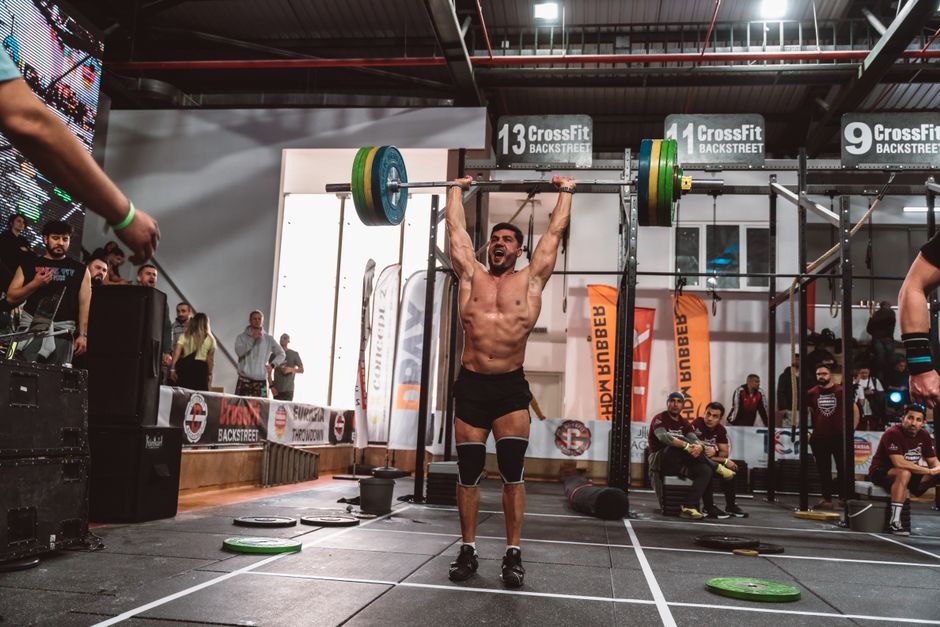
Explosiveness is the ability to produce a large amount of force in a very short amount of time. It is the difference between a slow, steady push and a sudden jump, punch, or sprint. You build it by training your nervous system to recruit muscle fibers quickly, typically through movements like jumps, throws, and heavy lifts performed with maximum intent.
What Is Explosiveness And How Do You Build It?
Explosiveness is a measure of power. Power is not just about how strong you are; it is about how fast you can use that strength. In physics terms, power equals force multiplied by velocity. If two people can both squat 300 pounds, the one who can move that weight faster is more explosive. This quality matters for athletes in nearly every sport, and it also matters for everyday life as you age.
Building explosiveness requires specific training. Lifting a heavy weight slowly builds strength, but it does not necessarily build speed. Explosive training focuses on moving moderate loads as fast as possible. The goal is to teach your muscles and nervous system to fire together quickly and efficiently.
Why Explosiveness Declines With Age
Explosiveness is often the first physical quality to decline as people get older. Strength can remain relatively stable into middle age, but the ability to produce force quickly starts dropping earlier. Research consistently shows that power declines at a faster rate than raw strength. This is why older adults often struggle with tasks like catching themselves after a stumble or getting up quickly from a chair.
The decline happens because of changes in the nervous system and muscle composition. Fast-twitch muscle fibers, which generate quick, powerful contractions, shrink and become less efficient with age. The brain also becomes slower at sending signals to the muscles. Training explosiveness can slow this process, but the training must be consistent and specific.
The Difference Between Strength and Power
Strength and power are related but not the same. Strength is the maximum force a muscle can produce regardless of speed. Power is the ability to produce force quickly. You can be very strong but not very explosive if you move slowly. Conversely, you can be moderately strong but highly explosive if you can move your body weight fast.
In practical terms, a strong person can deadlift a heavy barbell off the floor. An explosive person can jump onto a tall box or sprint away from a starting line. Both qualities are valuable, but they respond to different types of training. Heavy slow lifting builds strength. Fast, lighter lifting builds power.





Key Exercises for Building Explosiveness
Explosive training does not require fancy equipment. Many effective exercises use just your body weight. The key is not the exercise itself but the speed and intent with which you perform it.
- Jump variations: Squat jumps, broad jumps, and box jumps teach your legs to produce force quickly. Land softly and reset between reps.
- Sprint work: Short sprints of 10 to 40 meters train the same fast-twitch fibers. Full recovery between sprints is essential.
- Medicine ball throws: Overhead slams, chest passes, and rotational throws train the upper body and core to generate power.
- Olympic lift variations: Power cleans and snatches are classic explosive exercises. They require coaching and proper technique.
- Heavy lifting with intent: Squats and deadlifts performed with the goal of moving the bar as fast as possible build the strength base needed for power.
Beginners should start with bodyweight jumps and throws. These are safe, effective, and require minimal skill. More complex lifts like the power clean should be learned with a qualified coach to avoid injury.
How to Structure an Explosive Workout
Explosive training is demanding on the nervous system. It requires quality over quantity. A typical session involves fewer reps and longer rest periods than a standard strength workout. Rest between sets is usually two to three minutes to allow the nervous system to recover fully.
Sets of three to five reps are common for lower-body jumps and throws. The goal is to feel fast and powerful on every rep. When your speed drops, the set is over. This might mean stopping after three reps even if you could do five. That is normal and expected.
Explosive work should be done early in a workout, when you are fresh. Doing it after a long, tiring session is ineffective and increases injury risk. Many people perform explosive training two to three times per week, often on separate days from heavy strength work.
The Role of Strength in Explosiveness
Explosiveness has a ceiling. You cannot be explosive without a base of strength. A stronger muscle can produce more force, which means it has more potential for power. This is why elite sprinters and jumpers also spend significant time lifting heavy weights.
However, strength alone is not enough. The nervous system must learn to use that strength quickly. This is why heavy lifting alone does not automatically improve explosiveness. You need both qualities. A common approach is to lift heavy for several weeks to build strength, then shift to faster, lighter movements to convert that strength into power.
Common Mistakes in Explosive Training
Many people make the same errors when trying to build explosiveness. The most common mistake is using too much weight. If the weight is so heavy that you move slowly, you are training strength, not power. The weight should be light enough that you can move it quickly but heavy enough to provide some resistance.
Another mistake is doing too many reps. Explosive quality fades quickly. After the first few reps, you are no longer training speed. More reps do not equal more power. They equal more fatigue.
Poor technique is also a serious issue. Jumping and throwing with bad form places unnecessary stress on joints. Start with low intensity and gradually increase the effort as your technique improves.
How Explosiveness Training Helps Everyday Life
Explosiveness is not just for athletes. It plays a role in daily activities that require sudden bursts of effort. Catching a falling object, stepping quickly to avoid a hazard, or lifting a child who suddenly lunges all require power. Training this quality helps you move with confidence and reduces the risk of injury in unexpected situations.
For older adults, maintaining power is linked to independence. Studies have found that power is a strong predictor of physical function in later years. Tasks like climbing stairs, getting out of a car, and walking across a street before the light changes all require quick force production. Training explosiveness helps preserve these abilities.
Recovery and Safety Considerations
Explosive training is intense. It taxes the muscles, joints, and nervous system. Recovery is just as important as the training itself. Sleep, nutrition, and rest days are essential. Performing explosive work when you are tired or stressed increases injury risk without providing additional benefit.
People with joint issues or a history of injury should be cautious. High-impact movements like jumping place stress on the knees and ankles. Lower-impact options like medicine ball throws and sled pushes can provide many of the same benefits with less joint strain. If you have a medical condition, check with a healthcare provider before starting a new training program.
Frequently Asked Questions
How often should you train explosiveness?
Two to three sessions per week is typical for most people. The sessions should be separated by at least one rest day to allow the nervous system to recover.
Can you build explosiveness without weights?
Yes. Bodyweight jumps, sprints, and medicine ball throws are effective ways to build power without any equipment. The key is performing each rep with maximum speed and intent.
How long does it take to see results from explosive training?
Some improvement in movement speed can occur within a few weeks, especially for beginners. Significant changes in jump height or sprint speed typically take two to three months of consistent training.
Is explosive training safe for older adults?
It can be safe when properly designed and supervised. Lower-impact options like seated throws and step-ups are often used. Older adults should start with low intensity and progress gradually.
