
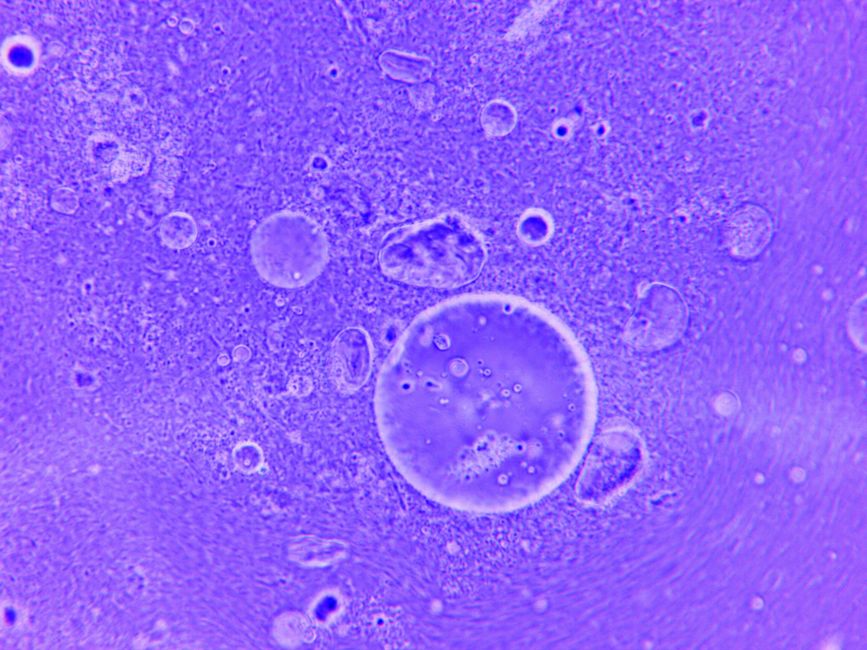
Entamoeba is a genus of single-celled parasites, and the species Entamoeba histolytica is the one responsible for amebiasis, a human intestinal infection. This parasite spreads through contaminated food or water and can cause everything from mild diarrhea to severe, life-threatening complications. While several types of Entamoeba can live in the human gut, only E. histolytica is considered a true pathogen that invades tissue and makes people sick.
How Does Entamoeba Spread From Person to Person?
The parasite travels through what doctors call the fecal-oral route. That means the parasite leaves an infected person in their stool and enters the next person through their mouth. This happens most often when someone does not wash their hands after using the bathroom and then handles food.
Contaminated water is another major source. In areas with poor sanitation, sewage can mix with drinking water supplies. The parasite can also be found on raw produce that was washed in contaminated water or fertilized with untreated human waste.
Amebiasis is far more common in tropical regions and places with limited sanitation infrastructure. Travelers to those areas are at higher risk. In the United States, cases are relatively rare and usually occur in people who have traveled internationally or in institutional settings where sanitation is poor.
What Happens Inside the Body After Infection?
When someone swallows E. histolytica, the parasite is in a dormant, protective form called a cyst. The cyst’s outer shell protects it from stomach acid. Once it reaches the intestines, the cyst opens and releases an active form called a trophozoite.
The trophozoites feed on bacteria and food particles in the large intestine. In many people, the infection stays here without causing symptoms. These people are carriers — they can pass the parasite to others but feel fine themselves.
In other people, the trophozoites invade the intestinal lining. They attach to the gut wall and release enzymes that break down tissue. This creates ulcers, or open sores, in the colon. The damage can cause bloody diarrhea, abdominal pain, and cramping.
In severe cases the parasite can travel through the bloodstream and reach other organs. The liver is the most common destination. There it can form an abscess — a pocket of dead tissue and pus. Liver abscesses are the most serious complication of amebiasis and require prompt medical treatment.
What Are the Symptoms of Amebiasis?
Symptoms usually appear within one to four weeks after swallowing the cysts, though some people remain symptom-free for months. The most common symptoms are loose stools, mild abdominal cramping, and a general feeling of being unwell.
When the infection becomes invasive, symptoms get more severe. People may experience:
- Bloody or mucus-filled diarrhea
- Severe abdominal pain and tenderness
- Fever
- Nausea and vomiting
- Weight loss
A liver abscess may develop without obvious intestinal symptoms. Symptoms of a liver abscess include fever, pain in the upper right side of the abdomen, and an enlarged, tender liver. The fever can be high and persistent.
Some people confuse amebiasis with bacterial dysentery because the symptoms overlap. Both cause bloody diarrhea and cramps. A stool test is needed to tell them apart. If you have bloody diarrhea and a fever, see a doctor rather than assuming it is a routine stomach bug.





How Is Amebiasis Diagnosed?
Doctors use stool samples to diagnose amebiasis. The lab looks for E. histolytica cysts or trophozoites under a microscope. However, this test can miss the parasite, especially if the sample is not fresh or if the person has already taken antibiotics.
More sensitive tests use molecular methods to detect the parasite’s DNA in stool. These tests can also distinguish E. histolytica from harmless Entamoeba species that look identical under a microscope. That distinction matters because only E. histolytica requires treatment.
Blood tests are also available. They detect antibodies the immune system made against the parasite. A positive antibody test can mean a current or past infection. This test is especially useful when a liver abscess is suspected.
Imaging tests like ultrasound or CT scans help doctors see liver abscesses. If a person has a liver abscess and tests positive for amebiasis, that is strong evidence the parasite caused it.
What Is The Parasite Behind Amebiasis Treated With?
Amebiasis is treatable. The standard approach uses two medications. The first kills the active trophozoites in the intestine and tissues. The second clears any remaining cysts from the gut.
Metronidazole or tinidazole is typically the first drug used. These medications work well against invasive disease, including liver abscesses. They are taken by mouth, and treatment usually lasts about a week to ten days.
After that, a second drug like paromomycin or iodoquinol kills the cysts that may still be in the intestine. This second step is important because the first drug does not reliably eliminate cysts. Skipping it can leave the infection lingering.
Asymptomatic carriers also need treatment. Even if they feel fine, they can spread the parasite to others. Treating carriers with the cyst-clearing medication prevents further transmission.
Liver abscesses usually respond well to medication alone. Draining the abscess with a needle is sometimes needed if it is very large, if it is about to rupture, or if the person does not improve with drugs. Surgery is rarely required.
How Can Amebiasis Be Prevented?
Prevention focuses on breaking the fecal-oral cycle. The most important step is handwashing with soap and clean water after using the toilet and before preparing food.
When traveling to areas with poor sanitation, drink bottled or boiled water. Avoid ice cubes made from tap water. Eat fruits you peel yourself, and avoid raw vegetables that may have been washed in contaminated water.
There is no vaccine for amebiasis. Good hygiene and careful food and water choices are the only reliable protection.
One common misconception is that amebiasis is caused by eating spicy food or having poor digestion. It is not. It is an infection caused by a specific parasite. Digestive habits have nothing to do with catching it.
Who Is at Highest Risk for Severe Disease?
Most people infected with E. histolytica never develop symptoms. Estimates suggest that only about 10 to 20 percent of infected people become ill. Why some people get sick and others do not is not fully understood.
Certain groups face higher risk of severe disease. Pregnant women, young children, older adults, and people taking corticosteroid medications are more vulnerable to invasive amebiasis. People with weakened immune systems from conditions like HIV or malnutrition also face higher risk.
Men between the ages of 18 and 50 appear to develop liver abscesses more often than other groups. The reason for this pattern is not clear. It may relate to alcohol use, which is a known risk factor for amebic liver abscess, or to hormonal factors.
What Are the Long-Term Complications?
With prompt treatment, most people recover fully without lasting problems. The intestinal ulcers heal, and the parasite is cleared from the body.
In rare cases, severe intestinal infection can cause a perforation — a hole in the colon wall. This is a surgical emergency. It can lead to peritonitis, a dangerous infection of the abdominal cavity.
Untreated liver abscesses can rupture into the chest or abdominal cavity. This is a serious complication with a high death rate. This is why early diagnosis and treatment matter so much.
Some people develop a condition called post-amebic colitis after their infection clears. They continue to have diarrhea and cramping even though the parasite is gone. This is thought to be an inflammatory response that lingers after the infection. It usually improves over time.
Frequently Asked Questions
Can amebiasis go away on its own?
Some mild infections may clear without treatment, but this is not reliable. Because the parasite can cause serious complications, doctors recommend treating all confirmed infections with medication.
Is amebiasis contagious from person to person?
It spreads through contaminated stool, not through casual contact like coughing or touching. Direct person-to-person spread happens when poor hand hygiene allows stool particles to reach food or shared objects.
How long does it take to recover from amebiasis?
Most people feel better within a few days of starting treatment. The full course of medication lasts about one to two weeks, and the parasite is usually cleared by then.
Can you get amebiasis more than once?
Yes, previous infection does not provide lasting immunity. You can be reinfected if you are exposed to contaminated food or water again.
