
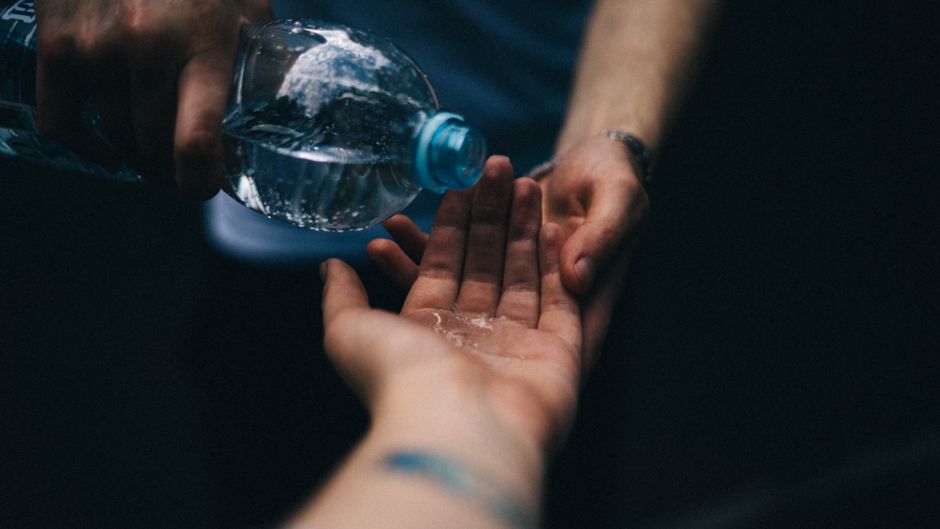
Drinking water can cause diarrhea for several specific reasons. The most common cause is drinking water too quickly on an empty stomach, which can overwhelm your digestive system. Contaminated water, water temperature extremes, and certain medical conditions can also trigger this response. Understanding why this happens helps you know when it is a minor issue you can fix at home versus when you should see a doctor.
What Causes Diarrhea After Drinking Water?
The body has a natural limit on how fast it can process water. When you drink a large amount quickly, your intestines may not absorb it fast enough. This extra fluid moves through your system and comes out as loose stool.
Water temperature matters more than most people realize. Very cold water can cause intestinal muscles to contract suddenly. These rapid contractions push water through your digestive tract before your body has time to absorb it. Some people report the same effect with very hot water, though evidence for this is weaker.
Drinking water with meals can also cause issues. Your stomach needs acid to break down food. Large amounts of water dilute stomach acid. This slows digestion and can lead to diarrhea in some people, especially those with sensitive stomachs.
What Does Research on Water and Digestion Show?
Research published in the American Journal of Gastroenterology has found that rapid fluid intake can trigger what doctors call “rapid gastric emptying.” This is not the same as dumping syndrome, but it is related. The stomach sends partially digested contents to the small intestine too quickly, which can cause diarrhea.
The National Institutes of Health reports that people with certain conditions are more likely to experience this. Irritable bowel syndrome, or IBS, affects about 10 to 15 percent of Americans. For these individuals, even normal amounts of water can trigger diarrhea because their intestines are already sensitive.
Studies on water temperature are less conclusive. A 2018 study in the Journal of Neurogastroenterology and Motility found that cold water increased bowel movement frequency in some participants. The effect was not universal. Some people had no reaction at all.
What the research consistently shows is that your body adapts. People who drink water slowly throughout the day rarely report this problem. The issue is almost always about volume and speed, not the water itself.
| Cause | How It Triggers Diarrhea | Who Is Most Affected |
|---|---|---|
| Drinking too fast | Overwhelms intestinal absorption | People with IBS or sensitive digestion |
| Cold water | Causes sudden intestinal contractions | Some individuals, not universal |
| Contaminated water | Introduces bacteria or parasites | Anyone drinking unsafe water |
| Diluted stomach acid | Slows food breakdown | People with low stomach acid |
| Underlying condition | Intestines cannot process normally | Those with IBS, IBD, or diabetes |
Can Contaminated Water Cause Diarrhea?
Yes, contaminated water is a common cause of diarrhea. The CDC reports that germs like Cryptosporidium, Giardia, and E. coli are found in untreated water sources. Even tap water in some areas can contain low levels of these organisms.
If your diarrhea starts suddenly and happens every time you drink from a specific source, contamination is possible. This is more common with well water, lake water, or water from older pipes. Bottled water is generally safe, but not always. The FDA regulates bottled water, but recalls do happen.
Traveler’s diarrhea is a well-known example. The World Health Organization estimates that 30 to 70 percent of travelers experience it. The cause is almost always drinking water that contains bacteria your body has not encountered before. Your immune system reacts by flushing everything out.
If you suspect contaminated water, switch to a different source immediately. Boiling water for at least one minute kills most harmful organisms. Filter systems that use reverse osmosis or UV light are also effective.





What Medical Conditions Cause Water to Trigger Diarrhea?
Several medical conditions can make your body react to water as if it were a threat. Irritable bowel syndrome is the most common. The American College of Gastroenterology states that IBS affects up to 15 percent of the global population. People with IBS have intestines that contract more strongly and more frequently than normal. Water moving through can trigger these contractions.
Diabetes is another condition that can cause this. High blood sugar damages the nerves that control digestion. This condition, called diabetic gastroparesis, slows stomach emptying. Water can pool in the stomach and then rush out suddenly, causing diarrhea.
Inflammatory bowel disease, which includes Crohn’s disease and ulcerative colitis, makes the intestinal lining inflamed. Even normal amounts of water can irritate this inflamed tissue. The Crohn’s and Colitis Foundation reports that diarrhea is a primary symptom for most people with these conditions.
Lactose intolerance and fructose malabsorption can also play a role. If you drink milk or juice with your water, the sugars can ferment in your gut. This draws water into the intestines and causes diarrhea. Some people mistake this for water causing the problem when it is actually the sugar.
If you have one of these conditions, drinking water slowly and at room temperature may help. Spreading your water intake across the whole day rather than drinking large amounts at once is often recommended by gastroenterologists.
Does Why Does Drinking Water Give Me Diarrhea Mean Something Is Wrong?
Not always. Occasional diarrhea after drinking water is usually harmless. Your body may have simply received more water than it could handle at that moment. This is especially true if you were dehydrated before drinking. Dehydrated intestines absorb water less efficiently.
But there are signs that something more serious is happening. See a doctor if the diarrhea lasts more than three days. Also seek medical help if you have blood in your stool, severe abdominal pain, or signs of dehydration like dark urine and dizziness.
The CDC recommends medical attention if diarrhea is accompanied by a fever over 102 degrees Fahrenheit. This can indicate an infection that needs treatment. Children and older adults should see a doctor sooner than younger healthy adults because they dehydrate faster.
- Diarrhea lasting more than 3 days – see a doctor
- Blood in stool – see a doctor immediately
- Fever over 102°F – could be infection
- Signs of dehydration – dry mouth, dark urine, dizziness
- Severe abdominal pain – may indicate blockage or inflammation
How Can You Prevent Diarrhea When Drinking Water?
The simplest fix is to slow down. Drink water in small sips rather than gulping. Aim for half a cup every 15 to 20 minutes rather than a full glass at once. Your intestines can absorb water at a rate of about 20 to 30 milliliters per minute. Drinking faster than this overwhelms the system.
Room temperature water is gentler on the digestive tract than ice water. If cold water triggers your symptoms, let it sit for a few minutes before drinking. Some people find that warm water with a squeeze of lemon is easier to tolerate.
Check your water source. If you use well water, have it tested for bacteria at least once a year. The Environmental Protection Agency provides guidelines for private well testing. If you are on public water, your utility company publishes annual water quality reports.
Consider what you eat with your water. High-fat meals slow digestion. Spicy foods irritate the intestinal lining. If you drink water with these foods, the combination may cause diarrhea even though water alone would not. Try drinking water between meals rather than with them.
Probiotics may help some people. The World Gastroenterology Organisation notes that certain probiotic strains can improve gut barrier function. This means your intestines may absorb water more efficiently. Yogurt, kefir, and fermented foods are natural sources.
If you have a diagnosed condition like IBS, work with your doctor on a plan. Some people benefit from medications that slow intestinal contractions. Others find that fiber supplements help by absorbing excess water in the gut.
Common Misconceptions About Water and Diarrhea
Many people believe that drinking water on an empty stomach always causes diarrhea. This is not true. For most people, a glass of water in the morning is perfectly fine. The issue is volume and speed, not emptiness of the stomach.
Another myth is that alkaline water prevents diarrhea. There is no clinical evidence for this. The Mayo Clinic states that alkaline water is safe for most people but offers no special digestive benefits. Regular tap water is just as good for hydration.
Some claim that sparkling water causes more diarrhea than still water. Carbonation can cause gas and bloating, which may trigger bowel movements in sensitive individuals. But the evidence is limited. The National Institute of Diabetes and Digestive and Kidney Diseases does not list carbonated water as a common diarrhea trigger.
A persistent belief is that lemon water detoxes the digestive system. This is not supported by research. Your liver and kidneys handle detoxification. Lemon water is hydrating and provides vitamin C, but it does not prevent or cure diarrhea.
Frequently Asked Questions
Why does drinking water give me diarrhea on an empty stomach?
Drinking water on an empty stomach can trigger rapid gastric emptying where the stomach sends contents to the intestines too quickly. This overwhelms absorption and results in loose stool.
Can drinking too much water at once cause diarrhea?
Yes, drinking large amounts of water quickly can exceed your intestines’ absorption rate of about 20 to 30 milliliters per minute. The excess fluid passes through as diarrhea.
Is it normal to have diarrhea after drinking cold water?
Some people experience diarrhea after cold water because it can cause sudden intestinal muscle contractions. This is not universal and varies from person to person.
Should I stop drinking water if it gives me diarrhea?
No, you should not stop drinking water. Dehydration is more dangerous than occasional diarrhea. Try drinking smaller amounts at room temperature spread throughout the day.
