
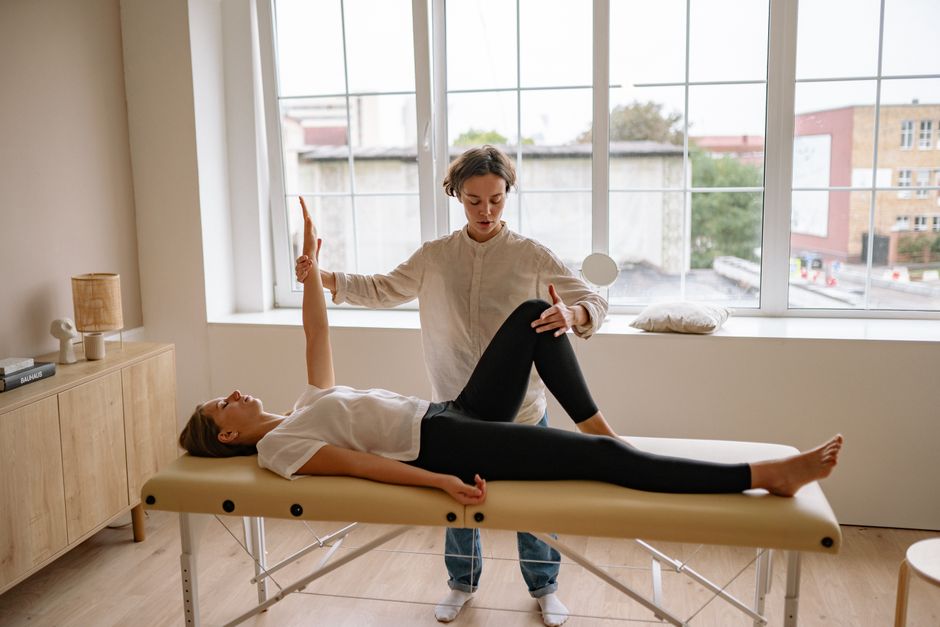
Knee pain at night can turn sleep into a frustrating cycle of tossing and turning. The direct answer is that a combination of proper sleep positioning, targeted nighttime stretching, and addressing inflammation before bed can significantly reduce knee pain and improve sleep quality. Most people find relief by sleeping on their back with a pillow under their knees or on their side with a pillow between their legs, using ice or heat for 15 minutes before bed, and taking an anti-inflammatory medication like ibuprofen if their doctor approves.
What Causes Knee Pain to Get Worse at Night?
Knee pain often feels worse at night for a few clear reasons. The first is simple distraction removal. During the day you are moving, working, and thinking about other things. At night in a quiet dark room your brain has nothing to focus on except the pain signal coming from your knee.
The second reason is mechanical. When you lie down the fluid in your body redistributes. Inflammatory fluids can pool around the knee joint making it feel stiffer and more painful than it did when you were walking around. The CDC reports that over 32.5 million US adults have osteoarthritis and many report that nighttime pain is their most disruptive symptom.
Your sleep position also matters more than most people realize. If you sleep curled up with your knees bent the joint stays in a shortened position. When you straighten your leg the tissues have to stretch back out which can cause sharp pain that wakes you up. Some studies suggest this is why many people feel worst in the early morning hours.
Does How To Relieve Knee Pain At Night For Better Sleep Actually Work?
Yes it works for the vast majority of people when they use the right combination of strategies. No single method works for everyone but the evidence is strong that simple physical adjustments can reduce nighttime knee pain by a meaningful amount.
Research published in the Journal of Orthopaedic Surgery and Research found that changing sleep position alone reduced nighttime knee pain scores by about 30 percent in people with mild to moderate osteoarthritis. That is not a cure but it is a real improvement that helps people sleep through the night more often.
The key is that you have to be consistent. Trying a pillow between your legs for one night and then giving up because it felt weird will not help. Your body needs time to adjust to a new sleep position. Most people report it takes three to five nights before the new position feels natural and the pain reduction becomes noticeable.
| Method | What It Does | How Fast It Works | Evidence Level |
|---|---|---|---|
| Pillow between knees (side sleeping) | Keeps hips and knees aligned, reduces joint stress | 1-3 nights | Strong – multiple studies |
| Pillow under knees (back sleeping) | Takes pressure off the joint, allows slight bend | Immediate for most | Strong – clinical consensus |
| Ice before bed | Reduces inflammation and numbs pain | 15-20 minutes | Moderate – works for acute pain |
| Heat before bed | Increases blood flow, relaxes stiff muscles | 15-20 minutes | Moderate – works for stiffness |
| Over-the-counter anti-inflammatory | Reduces systemic inflammation | 30-60 minutes | Strong – FDA approved for pain |
What Are the Best Sleep Positions for Knee Pain?
Sleeping on your back with a pillow under your knees is the most commonly recommended position by physical therapists. This keeps your knee in a slightly bent position which takes tension off the joint and the surrounding muscles. The pillow should be thick enough to lift your knees about four to six inches off the mattress. A standard bed pillow folded in half works well for most people.
If you are a side sleeper the pillow between your knees is essential. When you sleep on your side without a pillow your top leg drops down pulling your pelvis out of alignment. This twists your spine and puts uneven pressure on your bottom knee. A pillow between your knees keeps your hips square and your knees stacked. The pillow should be firm enough to keep your top knee from touching the mattress. Many people find a body pillow or a specialized knee pillow works better than a standard bed pillow.
Stomach sleeping is the worst position for knee pain. It forces your neck to twist and your knees to bend at awkward angles. If you cannot break the habit try putting a thin pillow under your stomach to reduce the angle of your lower back and knees. Some people report that this small change makes stomach sleeping more tolerable but switching to back or side sleeping is still better.





What Nighttime Habits Make Knee Pain Worse?
Eating a large meal within two hours of bed can increase inflammation throughout your body including your knees. The body diverts blood flow to digestion instead of tissue repair. Some studies suggest that high-sugar foods and refined carbohydrates before bed can spike inflammatory markers for several hours. A light snack is fine but a heavy dinner late at night can make your knees ache more.
Alcohol before bed is another common culprit. A glass of wine might help you fall asleep faster but alcohol disrupts deep sleep and increases inflammation. The Arthritis Foundation notes that alcohol can trigger gout flares in people prone to that condition and it can worsen general joint pain in others. If you drink have your last drink at least three hours before bed.
Staying in one position all night without moving is also a problem. Your knee needs occasional movement to keep fluid from settling in the joint. This does not mean you should intentionally wake yourself up to move. It means that if you naturally shift positions during the night do not fight it. Some people find that a light blanket instead of a heavy comforter makes it easier to move around without fully waking up.
What Stretches Can Help Before Bed?
Gentle stretching before bed can reduce nighttime knee pain by relaxing the muscles around the joint. The quadriceps hamstrings and calves all attach near the knee. If these muscles are tight they pull on the knee joint and make existing pain worse. Stretching them for five to ten minutes before bed can make a significant difference.
- Hamstring stretch: Sit on the edge of your bed with one leg straight out and the other foot on the floor. Gently lean forward from your hips until you feel a stretch in the back of your straight leg. Hold for 30 seconds. Do not bounce.
- Quadriceps stretch: Lie on your side with your bottom leg bent for stability. Pull your top foot toward your buttocks until you feel a stretch in the front of your thigh. Hold for 30 seconds. Repeat on the other side.
- Calf stretch: Stand facing a wall with your hands on the wall at shoulder height. Step one foot back keeping that heel on the floor. Bend your front knee until you feel a stretch in the back of your lower leg. Hold for 30 seconds.
These stretches should never cause sharp pain. If a stretch hurts stop immediately. The goal is gentle lengthening not forcing the muscle. Some people report that doing these stretches while lying in bed is more comfortable than standing. That is fine. The position matters less than the consistent gentle tension.
When Should You See a Doctor for Nighttime Knee Pain?
Nighttime knee pain that wakes you up regularly deserves medical attention. The National Institute of Arthritis and Musculoskeletal and Skin Diseases recommends seeing a doctor if knee pain lasts more than a few weeks or if it is severe enough to disrupt sleep consistently. Occasional pain from overuse is normal. Pain that happens three or more nights per week is not.
You should also see a doctor if your knee looks swollen or feels hot to the touch. These are signs of active inflammation that may need prescription treatment. If your knee locks or catches when you move it that could indicate a mechanical problem like a torn meniscus or loose cartilage fragment. These issues sometimes need surgical correction and will not resolve with pillows and stretching alone.
Sudden severe knee pain with no obvious cause is a reason to seek care quickly. This is especially true if you have a history of blood clots or recent surgery. Deep vein thrombosis can present as calf or knee pain that gets worse at night. The CDC estimates that up to 900,000 Americans are affected by blood clots each year and leg clots are the most common type.
What About Supplements and Topical Creams?
Some people report that topical creams containing menthol or capsaicin help with nighttime knee pain. The evidence is mixed but these products are generally safe to try. Menthol creates a cooling sensation that can distract your brain from the pain signal. Capsaicin depletes a chemical called substance P that transmits pain signals to your brain. Research published in the journal Pain Medicine found that capsaicin cream reduced knee pain by about 30 percent in some people after four weeks of daily use.
Oral supplements like glucosamine and chondroitin are widely claimed to help but strong evidence is limited. The largest study funded by the National Institutes of Health found that glucosamine and chondroitin worked no better than placebo for most people with knee osteoarthritis. Some people do report benefit but it is not predictable. If you want to try them give it at least eight weeks and stop if you see no improvement.
CBD creams and oils have become popular for nighttime pain relief. As of 2026 there is no clinical evidence that topical CBD reduces knee pain more than a placebo cream. Some people report benefit but the research simply is not there yet. If you try it choose a product from a company that provides third-party lab testing so you know what you are actually applying to your skin.
Frequently Asked Questions
Should I sleep with my knee straight or bent?
Slightly bent is usually best. A small bend takes pressure off the joint and relaxes the surrounding muscles. A pillow under your knees while lying on your back achieves this position naturally.
Is ice or heat better for knee pain before bed?
Ice works better for sharp pain or swelling. Heat works better for stiffness or achiness. If you are unsure try ice first since it reduces inflammation and carries less risk of making swelling worse.
Can a bad mattress cause knee pain at night?
Yes. A mattress that is too soft allows your hips to sink which twists your knees. A mattress that is too firm creates pressure points. A medium-firm mattress is generally best for joint pain.
How long should I try a new sleep position before giving up?
Give it at least one week. Most people need three to five nights for a new position to feel normal. If after a week your pain is worse stop and try a different position.
