
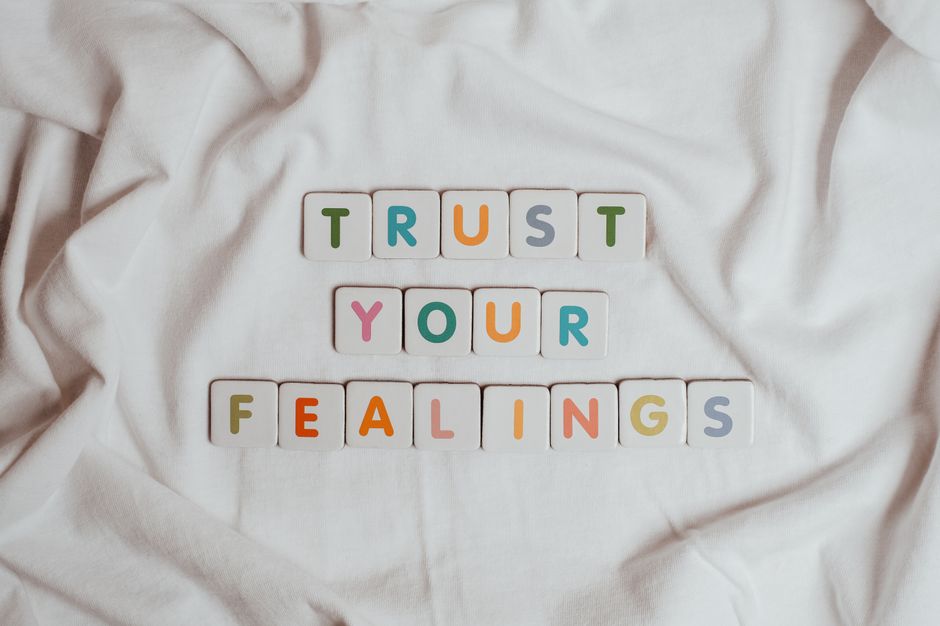
Emotional regulation is the ability to manage how you experience and express your feelings. It is not about suppressing emotions or pretending they do not exist. It is about noticing an emotion as it arises, understanding what triggered it, and choosing a response that fits the situation rather than reacting on impulse. This skill affects your relationships, your decision-making, and your physical health, and it is something nearly anyone can improve with practice.
What Is Emotional Regulation?
Emotional regulation is the process of influencing which emotions you have, when you have them, and how you experience and express them. Everyone does this naturally, though not always effectively. When you take a deep breath before responding to an angry email, you are regulating. When you distract yourself from a sad thought by calling a friend, you are regulating. When you snap at your spouse because you are tired and hungry, that is a moment where regulation failed.
The brain systems involved are well understood. The amygdala, a small structure deep in the brain, acts as an alarm system. It detects threats and triggers a fast emotional and physical response. The prefrontal cortex, located behind the forehead, is the reasoning center. It helps you evaluate whether the threat is real and decide how to respond. Emotional regulation depends on the prefrontal cortex sending signals to calm the amygdala down. This connection gets stronger with practice and weaker with chronic stress or lack of sleep.
Why Do Some People Struggle With Emotional Regulation?
Some people are born with a more reactive nervous system than others. Temperament research shows that infants differ in how easily they are startled or soothed. These differences persist into adulthood. That does not mean a reactive temperament is a flaw. It means some people need more deliberate strategies to stay calm under pressure.
Life experience matters too. People who grew up in chaotic or invalidating environments often learn that emotions are dangerous or shameful. They may suppress feelings until they explode, or they may become overwhelmed by even minor frustrations. Trauma also changes how the brain processes threats. A person who has experienced abuse or violence may have an overactive alarm system that goes off in safe situations.
Physical factors play a role as well. Poor sleep makes the amygdala more reactive and weakens prefrontal control. Chronic pain, hormonal changes, and certain medical conditions can also make regulation harder. If emotional swings are sudden, severe, or accompanied by physical symptoms, it is worth discussing with a doctor. This is not always a psychological issue.
What Are the Signs of Poor Emotional Regulation?
Poor regulation looks different in different people. Some common signs include:
- Explosive anger over small frustrations
- Crying at things that seem minor to others
- Feeling numb or disconnected from emotions
- Using food, alcohol, or shopping to change how you feel
- Avoiding situations that might trigger strong feelings
- Ruminating on a hurtful comment for days
- Physical symptoms like a racing heart or tight chest during emotional moments
Everyone has bad days. Occasional emotional outbursts are normal. The problem is a pattern. If these reactions happen often, damage relationships, or interfere with work or daily life, that is a sign that regulation strategies need to change.





How Do You Regulate Emotions in the Moment?
In-the-moment strategies work by shifting your body’s physical state or your mental focus. The fastest way to calm the alarm system is through the breath. Slow, extended exhales activate the parasympathetic nervous system, which counteracts the stress response. A simple pattern is to inhale for four counts and exhale for six or eight counts. The exact numbers matter less than making the exhale longer than the inhale.
Physical movement also helps. Walking, stretching, or even standing up and shaking out your hands can interrupt the body’s freeze-or-fight response. Cold water on the face or wrists triggers the dive reflex, which slows the heart rate. These are not gimmicks. They are physiological interventions that change the signals your brain receives.
Cognitive strategies take a bit longer but build lasting skills. One effective approach is cognitive reappraisal, which means reframing the situation in your mind. If a friend cancels plans, the automatic thought might be “they do not care about me.” Reappraisal would notice that thought and consider alternatives: “they might be exhausted” or “maybe something came up.” This is not about denying your feelings. It is about broadening your interpretation of events.
Another useful tool is labeling. Naming the emotion out loud or in your head — “I am feeling anxious” — reduces activity in the amygdala and increases activity in the prefrontal cortex. The effect is modest but real. Saying “I am angry” is different from saying “I am an angry person.” The first describes a state. The second defines an identity. State-based language is more helpful.
What Long-Term Habits Improve Emotional Regulation?
Long-term regulation is built through daily habits, not just crisis management. Sleep is foundational. Research consistently shows that sleep deprivation impairs the prefrontal cortex and amplifies emotional reactivity. Most adults need seven to nine hours per night. If you are consistently getting less, your emotional control will suffer regardless of the techniques you use.
Regular aerobic exercise has a well-documented effect on mood and stress resilience. It increases levels of brain chemicals like serotonin and endorphins, and it provides a healthy outlet for pent-up tension. The evidence is strongest for moderate exercise most days of the week, but any movement is better than none.
Mindfulness practice, which involves paying attention to the present moment without judgment, strengthens the brain’s regulation networks over time. Studies using brain imaging have found that people who practice mindfulness show increased activity in the prefrontal cortex and reduced activity in the amygdala when exposed to emotional triggers. The effects accumulate with consistent practice, not occasional sessions.
Social connection is another pillar. Talking to a trusted person about your feelings helps you process them. It also provides perspective. Isolation tends to magnify emotional distress because you lose the feedback that your reactions are normal and manageable.
When Is Poor Emotional Regulation a Medical Issue?
Emotional regulation difficulties are a feature of several mental health conditions. Borderline personality disorder is characterized by intense, unstable emotions and difficulty calming down once upset. Attention deficit hyperactivity disorder often involves low frustration tolerance and impulsive emotional reactions. Anxiety disorders and depression both disrupt normal emotional processing.
Hormonal and neurological conditions can also affect emotions. Thyroid disorders, for example, can cause irritability and mood swings. Premenstrual dysphoric disorder is a severe form of premenstrual syndrome that includes marked emotional symptoms. Certain medications, including some steroids and asthma drugs, can trigger emotional instability as a side effect.
If emotional symptoms are severe, persistent, or accompanied by thoughts of self-harm, professional help is warranted. Therapy, particularly cognitive behavioral therapy and dialectical behavior therapy, has strong evidence for improving emotional regulation skills. Medication may be appropriate for underlying conditions. A mental health professional can determine whether the issue is a skill deficit, a medical condition, or both.
Can Emotional Regulation Be Learned in Adulthood?
Yes. The brain remains plastic throughout life, meaning it can form new connections and strengthen existing ones. The prefrontal cortex continues to develop into the mid-twenties, but even after that, learning continues. People who practice regulation skills show measurable changes in brain activity and behavior.
The key is deliberate practice. Reading about regulation is not enough. You have to apply the skills in real situations, notice what works, and adjust. This is uncomfortable at first. You will fail many times. Each failure is a learning opportunity, not a verdict on your character.
Therapy can accelerate this process. A therapist can help you identify your specific triggers, practice strategies in a safe environment, and hold you accountable. Group therapy is especially effective for this because it provides real-time feedback from others who are working on the same skills.
What Is the Difference Between Suppression and Regulation?
Suppression and regulation are often confused, but they are opposites. Suppression means pushing an emotion down and pretending it is not there. Regulation means acknowledging the emotion and choosing how to respond to it.
Suppression has clear costs. Research shows that suppressing emotions increases physiological stress, impairs memory, and damages social interactions. People who suppress often appear stiff or dishonest without meaning to. The emotion does not disappear. It goes underground and surfaces later, often as physical tension, irritability, or a sudden outburst.
Regulation, by contrast, allows the emotion to exist without letting it control you. You can feel angry and still speak calmly. You can feel anxious and still complete a presentation. The emotion is information, not a command. This distinction matters because many people believe regulation means becoming emotionless. It does not. It means becoming the author of your emotional life rather than a passenger.
Frequently Asked Questions
What is emotional regulation in simple terms?
Emotional regulation is the ability to manage your feelings so they do not control your behavior. It means noticing an emotion, understanding it, and choosing a response that fits the situation.
Is emotional regulation a skill or a personality trait?
It is a skill that can be learned and improved at any age. Some people have a natural advantage, but everyone can develop stronger regulation with practice.
Can poor emotional regulation cause physical health problems?
Yes. Chronic difficulty regulating emotions is linked to higher stress hormone levels, which can contribute to heart disease, digestive issues, and weakened immune function over time.
What is the fastest way to calm down when emotions spike?
Slow down your breathing, making the exhale longer than the inhale. This activates the body’s calming response and helps the reasoning part of the brain regain control.
