

Elevated blood sugar means the amount of glucose circulating in your bloodstream is higher than normal. Glucose is your body’s main fuel, and it comes mostly from the food you eat. Insulin, a hormone made by the pancreas, moves that glucose out of the blood and into your cells. When this system works well, blood sugar rises after a meal and settles back down within a couple of hours. When it does not work well, glucose stays in the blood at higher levels than it should.
What Is Elevated Blood Sugar?
Elevated blood sugar, also called hyperglycemia, is a blood glucose level above the normal range. For a fasting blood test, normal is generally 70 to 99 mg/dL. A fasting level of 100 to 125 mg/dL is called prediabetes, and 126 mg/dL or higher on two separate tests points to diabetes.
These cutoffs come from standard diagnostic criteria used by clinicians. The numbers matter because they guide decisions, but they are not the whole story. A single high reading is not a diagnosis. Context, repeat testing, and other measures all shape the picture.
It helps to separate two ideas. Elevated blood sugar can be a short-term event, like a spike after a large meal or during illness. It can also be a long-term pattern, where glucose runs high day after day. The long-term pattern is what damages blood vessels, nerves, and organs over time. The short-term spike is usually harmless in a person whose insulin system works normally.
What Causes Elevated Blood Sugar?
Blood sugar rises when glucose enters the blood faster than insulin can clear it. That can happen in several distinct ways, and the cause shapes what the elevation means.
The most common driver is insulin resistance. Here, cells in muscle, fat, and the liver stop responding well to insulin. The pancreas compensates by making more insulin, and for a while that keeps blood sugar in range. Over time, the pancreas cannot keep up, and glucose begins to rise. This process sits behind type 2 diabetes and often develops slowly over years.
In type 1 diabetes, the immune system attacks the insulin-producing cells of the pancreas. The body makes little or no insulin, so glucose builds up quickly. This is a different mechanism from insulin resistance, and it can escalate fast.
Other causes include:
- Certain medications, including some steroids and some drugs used for other conditions
- Physical stress such as infection, surgery, or a heart attack, which raises stress hormones that push glucose up
- Pancreatic conditions that reduce insulin production
- Hormonal disorders such as Cushing’s syndrome
- Genetic forms of diabetes that run in families
Diet and activity influence all of this, but they are not the only levers. A person can develop elevated blood sugar without any obvious lifestyle trigger, and a person with a poor diet may not. The underlying biology matters as much as behavior.
What Are the Symptoms of Elevated Blood Sugar?
Mild elevation often causes no symptoms at all. This is the central problem with relying on how you feel. Many people walk around with prediabetes or early type 2 diabetes for years without noticing anything.
When blood sugar climbs higher, the body tries to flush out the excess glucose through urine. That pulls water with it, which produces the classic symptoms:
- Increased thirst
- Frequent urination, especially at night
- Fatigue and low energy
- Blurred vision
- Unexplained weight loss
- Slow-healing sores or frequent infections
These symptoms are not specific to high blood sugar. Thirst and fatigue have many causes. That is exactly why blood testing, not symptom-spotting, is how elevation gets identified.
Very high blood sugar can become a medical emergency. In diabetic ketoacidosis, which is more common in type 1 diabetes, the body burns fat for fuel and produces acids called ketones. In hyperosmolar hyperglycemic state, which is more common in type 2 diabetes, blood sugar can climb extremely high and cause severe dehydration. Both require urgent care. Warning signs include confusion, deep rapid breathing, fruity-smelling breath, and vomiting. These are emergencies, not wait-and-see situations.




How Is Elevated Blood Sugar Measured?
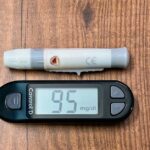
Several tests can detect elevated blood sugar, and they answer slightly different questions. A doctor may use one or more of them.
| Test | What it measures | Normal range |
|---|---|---|
| Fasting glucose | Blood sugar after at least 8 hours without eating | 70–99 mg/dL |
| Hemoglobin A1c | Average blood sugar over roughly the past 2 to 3 months | Below 5.7% |
| Random glucose | Blood sugar at any time of day | Varies with recent eating |
| Oral glucose tolerance test | Blood sugar 2 hours after drinking a glucose solution | Below 140 mg/dL |
The A1c test is useful because it does not require fasting and reflects a longer window. A fasting glucose test is more direct but captures only one moment. For prediabetes, an A1c of 5.7% to 6.4% is the standard range. For diabetes, 6.5% or higher on two tests is the threshold.
One clarification worth knowing: the A1c can be less reliable in people with certain blood conditions, such as anemia or hemoglobin variants, and in those who have recently had a blood transfusion. In those cases, other tests may give a clearer picture. This is a detail many people never hear, yet it can change how a result is interpreted.
Why Does Elevated Blood Sugar Matter Over Time?
Persistent high blood sugar damages blood vessels and nerves. The harm builds quietly and shows up years later. This is why the condition is taken seriously even when a person feels fine.
Glucose attaches to proteins in the blood and in vessel walls, and over time this changes how those structures work. Small blood vessels are often hit first. That is why the eyes, kidneys, and nerves in the feet are common sites of damage. Larger vessels can also be affected, raising the risk of heart attack and stroke.
The relationship between blood sugar and complications is not a sharp cliff. Risk tends to rise as average glucose rises, even within ranges that are not yet labeled diabetes. Someone with prediabetes has a higher risk of progressing to type 2 diabetes than someone with normal glucose, though not everyone with prediabetes develops diabetes.
The evidence here is strong. What is less certain is exactly how much any single person’s risk changes from one specific reading. Risk is a population pattern, not a personal guarantee in either direction.
What Raises Blood Sugar in the Short Term?
Even people without any glucose problem can see temporary spikes. A large meal high in refined carbohydrates can push glucose up for an hour or two. That is normal physiology, not disease.
Other short-term triggers include:
- Illness or infection, which releases stress hormones
- Physical or emotional stress
- Some medications, notably corticosteroids
- Poor sleep
- Certain medical procedures or surgery
The key difference is whether glucose comes back down. In a healthy system, insulin handles the load and levels return to baseline. In someone with insulin resistance or reduced insulin production, the spike lasts longer and the baseline itself drifts upward.
This is where a common misunderstanding lives. A single high reading after a big meal does not mean someone has diabetes. It means the body was given a large glucose load. The pattern over time is what counts.
Can Elevated Blood Sugar Be Prevented or Reversed?
For prediabetes and early type 2 diabetes, evidence shows that blood sugar can improve with sustained changes. Large trials have found that lifestyle programs combining diet, physical activity, and modest weight loss reduce the chance of progressing from prediabetes to type 2 diabetes. That finding is well established.
What those programs show is risk reduction, not a guarantee. Some people improve and stay improved. Some progress anyway. Genetics, how long the elevation has been present, and other health conditions all play a role.
For type 1 diabetes, there is no lifestyle path to prevention. The body does not make enough insulin, and insulin replacement is the foundation of care. This is a case where the mechanism is clear and the treatment follows directly from it.
For type 2 diabetes, some people reach normal glucose levels through significant weight loss, sometimes after bariatric surgery. This is documented, but it is not universal, and it does not happen for everyone. It is a possibility, not a promise.
No diet, supplement, or product has been shown to cure diabetes. Claims that a specific food or pill “reverses” the condition should be treated with skepticism. The evidence supports management and, in some cases, improvement. It does not support a cure.
Frequently Asked Questions
What is considered elevated blood sugar?
A fasting glucose of 100 mg/dL or higher is above normal, with 100 to 125 mg/dL classified as prediabetes and 126 mg/dL or higher pointing to diabetes. An A1c of 5.7% or higher also indicates elevation.
Can you have high blood sugar without symptoms?
Yes, mild to moderate elevation often causes no noticeable symptoms. This is why blood testing is the reliable way to detect it, rather than waiting to feel unwell.
Does one high blood sugar reading mean diabetes?
No, a single elevated reading is not a diagnosis. Clinicians typically confirm with repeat testing or a different test before diagnosing diabetes.
Can elevated blood sugar return to normal?
For prediabetes and early type 2 diabetes, sustained changes in diet, activity, and weight can lower blood sugar, and some people reach normal ranges. Type 1 diabetes requires insulin replacement and cannot be reversed through lifestyle alone.
