

Blood sugar rises when glucose builds up in your bloodstream faster than your cells can take it in. To reduce it, the most effective steps are eating fewer refined carbohydrates, moving your body regularly, losing excess weight if you carry it, and taking any prescribed medication as directed. For most people with type 2 diabetes or prediabetes, these habits can lower blood sugar meaningfully — though how much varies from person to person.
How Does Blood Sugar Actually Work?
Every time you eat, your digestive system breaks carbohydrates down into glucose. That glucose enters your bloodstream, and your pancreas releases a hormone called insulin. Insulin acts like a key that lets glucose move out of your blood and into your cells, where it gets used for energy or stored for later.
When this system works well, blood sugar rises after a meal and then comes back down within a couple of hours. When it does not work well, glucose stays in the blood longer than it should.
Two things can go wrong. Your pancreas may not make enough insulin — this is what happens in type 1 diabetes and eventually in type 2. Or your cells may stop responding well to insulin, a condition called insulin resistance. In type 2 diabetes, insulin resistance is usually the main problem early on. The pancreas often makes plenty of insulin, but the cells do not respond to it properly.
This matters because it explains why the same strategies work for so many people. You are either reducing the amount of glucose entering your blood, helping your cells respond better to insulin, or both.
What Should You Eat to Lower Blood Sugar?
Carbohydrates have the biggest direct effect on blood sugar of any nutrient. Protein and fat affect it far less. That does not mean you need to avoid carbs entirely — it means the type and amount matter.
Refined carbohydrates like white bread, white rice, sugary drinks, and most packaged snacks break down quickly and send glucose into your blood fast. Whole foods that contain fiber — vegetables, legumes, whole grains, nuts — digest more slowly and produce a gentler rise.
A few practical points that hold up well:
- Pair carbs with protein or fat. Eating carbohydrates alongside protein or healthy fat slows digestion and blunts the blood sugar spike.
- Choose fiber-rich carbs. Fiber is not broken down into glucose, so it adds bulk without adding much blood sugar.
- Watch liquid sugar. Regular soda, sweet tea, and fruit juice can raise blood sugar quickly because there is nothing to slow absorption.
- Do not skip meals to compensate. Skipping meals can lead to overeating later and unstable blood sugar, especially if you take insulin or certain medications.
One clarification worth making: the glycemic index — a ranking of how much a food raises blood sugar — is a useful research tool, but it does not capture everything. How a food affects your blood sugar depends on the meal it is part of, how it is cooked, and your own biology. Checking your own glucose response is more useful than memorizing index values.
How Does Exercise Lower Blood Sugar?
Muscle contractions pull glucose out of your blood without needing much insulin at all. This is why a walk after a meal can lower blood sugar even in people whose insulin response is impaired.
During and after physical activity, your muscles take up glucose for energy. This effect can last for hours after you stop moving, and it is one reason regular exercise helps with longer-term blood sugar control.
Both aerobic exercise — walking, swimming, cycling — and resistance training — weights, resistance bands, bodyweight exercises — have been shown to improve blood sugar control. Doing both tends to work better than either alone.
If you take insulin or a medication that can cause low blood sugar (hypoglycemia), exercise can sometimes push your glucose too low. This is a real risk, not a theoretical one. Talk to your doctor about how to adjust medication and when to check your blood sugar around activity.



Does Weight Loss Reduce Blood Sugar?
Carrying excess weight, particularly around the abdomen, is strongly linked to insulin resistance. Losing weight can improve how well your cells respond to insulin, and for some people with type 2 diabetes, significant weight loss can reduce blood sugar substantially.
Research on this has been fairly consistent: even modest weight loss — in the range of 5 to 10 percent of body weight — tends to improve blood sugar control in people with excess weight and type 2 diabetes. Some people who lose a larger amount of weight early in the course of type 2 diabetes have seen their blood sugar return to the non-diabetic range, though this does not happen for everyone and is not guaranteed.
Weight is not the only factor. Some people with type 2 diabetes are not overweight at all. Genetics, age, ethnicity, and how long someone has had diabetes all play a role.
Can Sleep and Stress Affect Blood Sugar?
Yes, and this is often overlooked. When you are under stress — physical or emotional — your body releases hormones like cortisol and adrenaline. These hormones raise blood sugar by prompting your liver to release stored glucose. That response evolved to help you deal with short-term threats, but chronic stress keeps it switched on.
Poor sleep does something similar. Not getting enough sleep can increase insulin resistance and raise appetite for high-carb foods. Some studies suggest that even a few nights of short sleep can measurably affect glucose metabolism in healthy adults.
Managing stress and protecting sleep will not replace diet and exercise, but they are part of the picture. If your blood sugar is harder to control than your habits seem to explain, sleep and stress are worth a look.
What About Medication and Monitoring?
Lifestyle changes are the foundation, but many people with diabetes also need medication. Metformin is commonly the first drug prescribed for type 2 diabetes. It works mainly by reducing how much glucose the liver releases and by helping your body respond better to insulin.
Other medications work in different ways — some push the pancreas to release more insulin, some cause the kidneys to remove more glucose in urine, and others slow digestion of carbohydrates. Each has its own benefits and side effects. Which one is right depends on your health, other conditions, and how your blood sugar behaves.
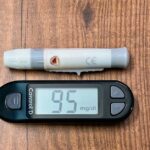
Monitoring your blood sugar — whether with finger-stick testing or a continuous glucose monitor — tells you how food, activity, and medication actually affect you. That information is more useful than general advice because it is specific to your body.
Do not stop or change any diabetes medication without talking to your doctor. Some medications can cause dangerously low blood sugar if stopped or adjusted incorrectly.
What Actually Works for Most People
The strategies that reduce blood sugar are not complicated, but they require consistency. Reducing refined carbohydrates, eating more fiber and protein, moving regularly, losing weight if you carry excess, sleeping well, managing stress, and taking medication as prescribed — these are the levers that matter.
What does not work well is chasing quick fixes. Supplements marketed for blood sugar control rarely have strong human trial evidence behind them. Some, like cinnamon, have shown modest effects in small studies, but the results are inconsistent and the effect is small compared to diet and medication. No supplement replaces the fundamentals.
If your blood sugar is high and you are not sure where to start, talk to your doctor. Ask what your target range should be — it varies depending on your age, other health conditions, and how long you have had diabetes. Then pick one or two changes you can sustain and build from there.
Frequently Asked Questions
What is the fastest way to lower blood sugar?
Physical activity is the fastest natural way to lower blood sugar, because working muscles pull glucose from your blood. If you take insulin, your doctor may also prescribe a correction dose for high readings.
Can drinking water lower blood sugar?
Drinking water helps your kidneys flush excess glucose through urine, which can modestly lower blood sugar. It is not a treatment on its own, but staying hydrated supports normal kidney function.
Do I need to cut out all carbs to lower blood sugar?
No. Reducing refined carbohydrates and choosing fiber-rich ones is usually enough for many people. Very low-carb diets can lower blood sugar more, but they are not required and may not be safe for everyone.
How long does it take to see lower blood sugar after changing your diet?
Some people see changes within days, especially if they cut sugary drinks. Meaningful improvements in overall control typically take several weeks of consistent changes.
