
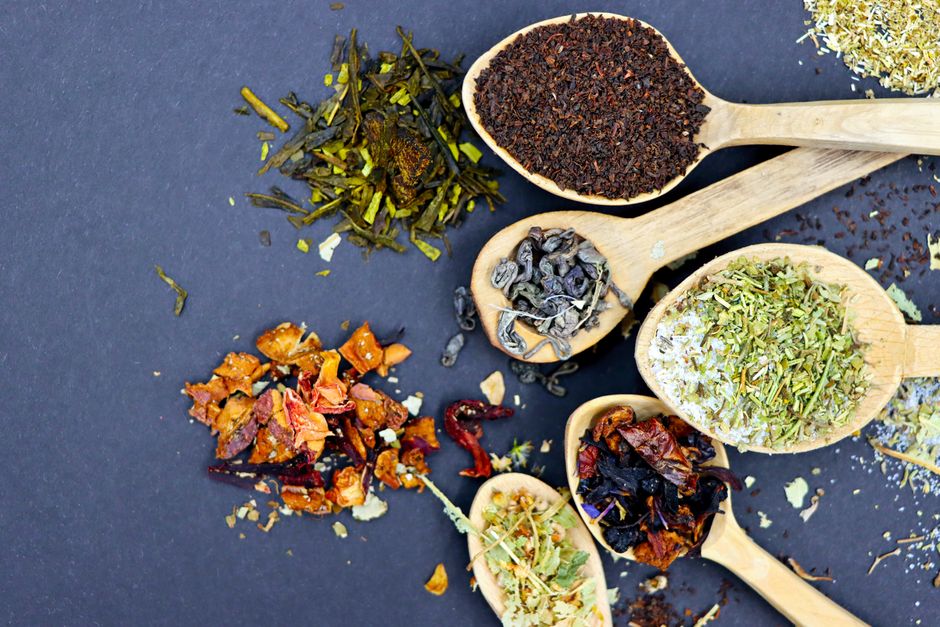
Earl Gray tea is a black tea blend flavored with oil extracted from the rind of the bergamot orange, a citrus fruit grown mainly in southern Italy. The flavor is distinctive — floral, slightly sweet, and citrusy with a bitter edge that most people either love or find unusual. It has been a staple of British tea culture for generations, but its roots go back further than most people realize.
What Is Earl Gray Tea Exactly?
Earl Gray is not a type of tea plant. It is a flavored tea. The base is almost always black tea, though some modern blends use green tea, oolong, or even rooibos as the base leaf. The defining ingredient is bergamot oil.
Bergamot is a small, yellow-green citrus fruit that looks like a cross between a lemon and a lime. It is too sour to eat raw. The oil in its rind gives Earl Gray its signature aroma and taste. The name comes from the fruit, not the tea itself.
The tea is named after Charles Grey, the 2nd Earl Grey, who served as British Prime Minister in the 1830s. The story goes that a Chinese mandarin gave the blend to Lord Grey as a gift. There is no solid historical proof this happened, but the story has been repeated for nearly two centuries and the name stuck.
Does Earl Gray Tea Contain Caffeine?
Yes. Because the base is black tea, Earl Gray contains caffeine. A standard cup brewed from a tea bag typically contains roughly 40 to 70 milligrams of caffeine. That is about half the caffeine of a brewed cup of coffee, which usually runs 80 to 100 milligrams per cup.
The exact amount depends on three things: the type of base tea, the steeping time, and the amount of leaf used. Longer steeping extracts more caffeine. Using more tea leaves also raises the caffeine content. If you are sensitive to caffeine, steep for two to three minutes rather than five.
Decaffeinated Earl Gray is widely available. The decaffeination process removes most of the caffeine but keeps the bergamot flavor intact. If you are pregnant, breastfeeding, or avoiding caffeine for medical reasons, check the label before buying.
What Are the Health Benefits of Earl Gray Tea?
Most of the health research on Earl Gray focuses on two components: the polyphenols in black tea and the bergamot oil itself. Both have been studied separately, and the findings are worth understanding clearly.
Black tea is rich in flavonoids, a class of plant compounds with antioxidant properties. Research consistently shows that regular black tea consumption is associated with improved heart health markers, including better blood pressure and cholesterol profiles. These effects are modest but real. They come from long-term regular consumption, not from drinking one cup occasionally.
Bergamot oil has attracted scientific attention for a different reason. Some studies suggest that bergamot polyphenols may help support healthy cholesterol levels. A few small human trials have found that bergamot extract, taken as a supplement, reduced total cholesterol and LDL cholesterol in people with elevated levels. These studies used concentrated bergamot extract, not tea. You cannot assume that drinking Earl Gray tea delivers the same effect because the concentration of active compounds in brewed tea is far lower.





Can Earl Gray Tea Help With Anxiety or Stress?
This claim circulates widely online, and the evidence is thinner than the marketing suggests. Bergamot oil is used in aromatherapy, and some small studies have found that inhaling bergamot essential oil may reduce feelings of stress and anxiety in certain settings. That is different from drinking it.
Drinking warm tea of any kind can feel calming. The ritual, the warmth, and the pause from a busy day all contribute to a subjective sense of relaxation. But no large clinical trial has confirmed that Earl Gray tea specifically reduces anxiety.
One small human study did find that healthy volunteers who drank Earl Gray tea reported lower stress levels compared to those who drank plain hot water. The study was small and has not been widely replicated. Treat it as preliminary evidence, not proof. The honest position is that Earl Gray may help you feel calmer, but it is not a treatment for anxiety disorders.
Are There Any Risks or Side Effects?
For most healthy adults, Earl Gray tea is safe in normal amounts. Two to three cups per day is well within common consumption patterns. The main risks come from caffeine and, in rare cases, from bergamot oil itself.
Too much caffeine can cause insomnia, jitteriness, rapid heart rate, and digestive upset. If you are sensitive to caffeine, limit intake or choose decaf. People with heart rhythm conditions or anxiety disorders should be especially careful with caffeinated tea.
Bergamot oil contains a compound called bergapten. In very high doses, bergapten has been associated with muscle cramps and blurred vision. These cases are extremely rare and have been reported mainly in people who consumed very large quantities of Earl Gray tea — think liters per day over an extended period. One or two cups a day is not a concern.
If you take prescription medications, talk to your doctor about tea consumption. Bergamot can interact with certain drugs, including some statins and blood pressure medications. The interaction is more documented with bergamot supplements than with tea, but it is worth mentioning to your healthcare provider.
How Should You Brew Earl Gray Tea?
Brewing method matters more than most people think. Black tea can turn bitter when over-steeped, and the bergamot flavor becomes harsh rather than pleasant.
Use freshly boiled water that has cooled slightly — around 200°F or 93°C. Pour it over the tea and steep for three to five minutes. Three minutes gives a lighter, more floral cup. Five minutes gives a stronger, more robust flavor with more caffeine. Remove the tea bag or strain the leaves before drinking.
Milk is a traditional addition in British tea culture, but it is not required. Some people find that milk softens the sharp citrus edge. Others prefer Earl Gray plain or with a slice of lemon. There is no wrong way to drink it, though lemon and milk together can cause the milk to curdle.
What Is the Difference Between Earl Gray and Lady Gray?
Lady Gray is a variation created by the Twinings tea company in the 1990s. It uses the same black tea base and bergamot flavor but adds lemon peel and orange peel. The result is a lighter, more citrus-forward tea with less of the sharp bergamot bite.
Earl Gray is generally bolder and more floral. Lady Gray is softer and fruitier. If you find traditional Earl Gray too strong, Lady Gray is a reasonable alternative. If you want the classic experience, stick with the original.
Is Earl Gray Tea Good for You Compared to Other Teas?
All true teas — black, green, white, and oolong — come from the same plant, Camellia sinensis. They share similar antioxidant profiles. The main differences are in processing and flavor, not in fundamental health properties.
Black tea undergoes full oxidation, which gives it a darker color and stronger flavor. Green tea is minimally oxidized and retains higher levels of certain catechins. Both are healthy choices. Earl Gray adds bergamot oil, which gives it a unique flavor profile and potentially some additional compounds, but the overall health impact is comparable to other black teas.
Herbal teas like chamomile or peppermint are not true teas. They contain no caffeine and have different active compounds. If you are choosing a tea primarily for relaxation in the evening, a caffeine-free herbal tea may be a better choice than Earl Gray.
Frequently Asked Questions
Is Earl Gray tea caffeinated?
Yes, because it is made with black tea as the base. A typical cup contains 40 to 70 milligrams of caffeine, about half the amount in a cup of coffee.
Can you drink Earl Gray tea while pregnant?
Moderate caffeine intake is generally considered acceptable during pregnancy, but limits apply. Decaffeinated Earl Gray is a safer choice if you want the flavor without the caffeine.
Does Earl Gray tea help you lose weight?
No clinical evidence confirms that Earl Gray tea causes weight loss. Black tea may have minor metabolic effects, but no tea is a weight loss tool on its own.
What does Earl Gray tea taste like?
It tastes like black tea with a strong citrus note from bergamot oil. The flavor is floral, slightly sweet, and bitter at the same time — distinctive and not easily compared to other teas.
