
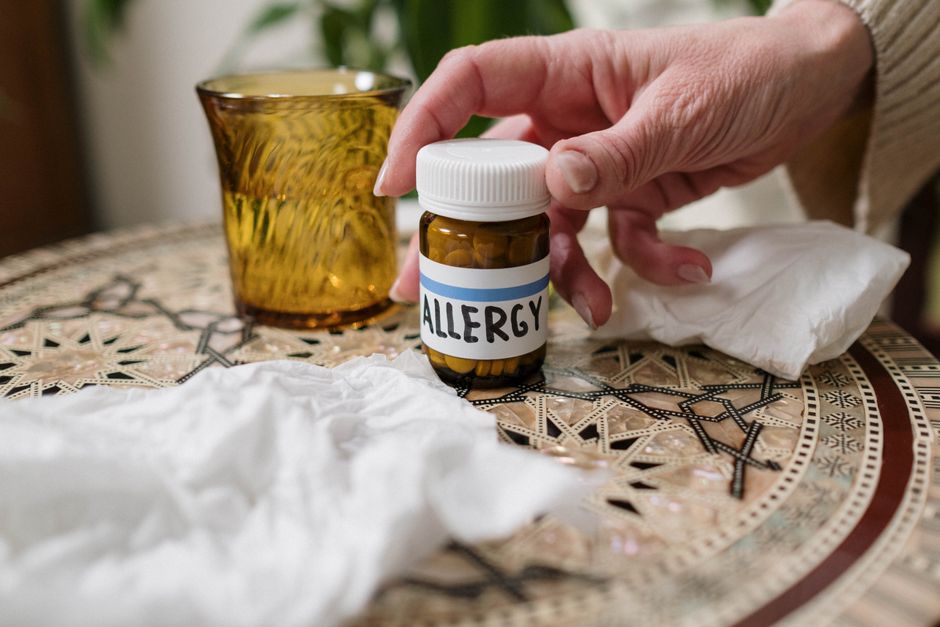
If your spring allergies feel worse than they did ten years ago, you are not imagining it. Three things are happening at once: plants are releasing more pollen and releasing it for longer, air pollution is making that pollen more irritating to human airways, and modern life may be weakening the body’s tolerance to everyday allergens. Each factor is well documented on its own. Together they help explain why so many people who once had mild seasonal sniffles now feel genuinely unwell.
Why Allergies Are Getting Worse From Pollen To Pollution?
The short answer is that the environment is changing faster than our immune systems can adapt. Warmer temperatures extend the growing season for many plants, so pollen seasons start earlier and run longer than they did a few decades ago. At the same time, traffic and industrial pollution interact with pollen in ways that make allergic reactions more intense.
There is also a third piece that gets less attention. The human immune system learns what to tolerate partly through early-life exposure to a wide range of microbes and environmental particles. Many researchers believe that reduced exposure to that diversity — sometimes called the hygiene hypothesis — leaves some immune systems more likely to misfire against harmless proteins like pollen.
None of this is speculation about a fringe theory. Long-term pollen monitoring networks in North America and Europe have recorded measurable shifts in season length and pollen concentration. The direction of the trend is not seriously disputed among researchers. What remains debated is how much each factor contributes.
Are Pollen Seasons Actually Getting Longer?
Yes, and the change is measurable. Researchers who track airborne pollen have documented that many allergenic plants now begin releasing pollen days to weeks earlier than they did in the 1990s, and that the season often ends later as well.
Ragweed is a good example. It is one of the most common fall allergens in the United States, and its pollen season has been observed to extend further into autumn in many regions. Longer frost-free periods mean the plant keeps producing pollen when it would previously have died back.
Tree pollen has shifted too. In many parts of the country, trees that once peaked in April now peak in March or even late February. For someone with tree pollen allergy, that means a longer stretch of symptoms and a longer stretch of medication use.
Higher carbon dioxide concentrations in the atmosphere also appear to increase pollen production in some plants. Studies on ragweed grown under elevated CO2 have found greater pollen output compared with plants grown at lower concentrations. This does not mean every plant responds the same way, but the general pattern is consistent enough that researchers treat it as a real effect.
How Does Air Pollution Make Pollen Worse?
Air pollution does not just add to the problem — it changes the pollen itself and the way your body reacts to it. This is one of the more important findings in allergy research over the past two decades.
When pollen grains travel through air containing high levels of pollutants such as ozone, nitrogen dioxide, and fine particulate matter, the pollen can be physically broken into smaller fragments. Smaller fragments penetrate deeper into the airways than intact grains. They also carry the same allergenic proteins, so the immune system still recognizes them as a threat.
Diesel exhaust particles appear to act as an immune adjuvant — a substance that amplifies the immune response to whatever else is present. Laboratory and human exposure studies suggest that when pollen and diesel particles are inhaled together, the allergic response is stronger than to pollen alone.
Ozone is another factor. Ground-level ozone irritates the lining of the airways and can make them more permeable to allergens. On high-ozone days, people with asthma and allergic rhinitis often report worse symptoms even when pollen counts are similar.
This is why two people with the same pollen sensitivity can have very different symptom days depending on where they live. Someone in a rural area with clean air may react less intensely to the same pollen count as someone living near a busy highway.




Is the Hygiene Hypothesis Still Holding Up?
Partly. The original version of the hygiene hypothesis — that cleaner homes and less childhood infection exposure cause allergies — has been refined over the years, and the simple version does not fully explain the patterns researchers see.
What has stronger support is the broader idea that the immune system needs exposure to a diverse range of microbes, particularly in early childhood, to develop balanced regulation. Children raised on farms with livestock, for example, tend to have lower rates of asthma and allergy than children raised in urban environments with limited microbial exposure. This pattern has been observed across multiple countries.
The evidence is not uniform. Some studies find the effect is specific to certain microbes or certain time windows in development. Others suggest that diet, antibiotic use, and mode of birth also play roles. The honest position is that this is a real and active area of research, but the mechanisms are not fully worked out.
What this means practically is that you cannot “fix” your immune system by getting dirty as an adult. The developmental window appears to matter most, and it has largely passed by adulthood.
Why Do Some People Develop Allergies Later in Life?
Adult-onset allergies are more common than most people realize. It is entirely possible to reach your forties without hay fever and then develop it. The reasons are not fully understood, but several factors appear to be involved.
- Changes in the immune system with age can shift how the body responds to allergens.
- Moving to a new region exposes you to different pollens your immune system has not encountered before.
- Hormonal changes, including those related to pregnancy and menopause, can affect allergic sensitivity in some people.
- Viral infections can sometimes trigger new allergic responses.
There is also the possibility that some adult-onset allergies were always present but mild enough to go unnoticed until pollen levels or pollution exposure increased. In that case, the allergy is not new — the exposure is.
If you develop new allergy symptoms as an adult, it is worth getting evaluated. Some conditions that look like allergies, including non-allergic rhinitis and certain sinus problems, require different treatment approaches.
What Can You Actually Do About It?
You cannot change the pollen season or clean the air in your city. What you can do is reduce your exposure and manage your immune response with approaches that have evidence behind them.
Tracking local pollen counts and air quality forecasts is one practical step. On days when both are high, limiting outdoor activity during peak pollen hours — typically early morning for many plants — can reduce how much you inhale. Keeping windows closed and using air filtration indoors can also lower indoor pollen levels, though the evidence on how much this reduces symptoms varies.
For treatment, antihistamines and intranasal corticosteroid sprays are the most established options for allergic rhinitis. Intranasal corticosteroids are generally considered more effective for nasal congestion than antihistamines alone. This is well supported in clinical guidelines. If you have asthma and allergies together, treating both matters, because uncontrolled allergic rhinitis can worsen asthma control.
Allergy immunotherapy — either shots or sublingual tablets — is the only treatment approach shown to potentially modify the underlying allergic response over time, rather than just suppressing symptoms. It requires a significant time commitment and should be discussed with an allergist. It is not effective for everyone, and it is not a quick fix.
What does not have strong evidence is the idea that you can “boost” your tolerance to pollen by exposing yourself to it deliberately. There is no established method for doing this safely outside of supervised immunotherapy.
Is This Trend Going to Continue?
The factors driving the increase — warmer temperatures, longer growing seasons, and higher pollution levels in many regions — are not reversing quickly. Most researchers who study pollen trends expect the pattern to continue in the coming decades, though the magnitude will vary by region and by plant species.
Some areas may see more dramatic changes than others. Regions that are warming fastest, or that have both high pollen counts and poor air quality, are likely to see the biggest impact on allergy sufferers.
That is not a reason for despair. It is a reason to take allergy management seriously and to pay attention to both pollen and air quality when planning your day. The environment is working against you in ways it did not thirty years ago, but the tools for managing allergies are better than they have ever been.
Frequently Asked Questions
Are allergies really getting worse or does it just seem that way?
They are measurably getting worse. Pollen seasons are longer, pollen counts are higher in many regions, and air pollution amplifies allergic reactions — all documented in long-term monitoring studies.
Can air pollution cause allergies if you never had them before?
Pollution does not create allergies from nothing, but it can trigger symptoms in people who are sensitized and may contribute to developing sensitivities over time. The evidence for pollution as a direct cause of new allergies is suggestive but not definitive.
Do air purifiers help with pollen allergies?
They can reduce indoor pollen levels, and some studies suggest symptom improvement when used consistently in a closed room. The effect is modest compared with medication, and results depend on the type and quality of the filter.
Why do my allergies feel worse in cities than in the countryside?
Cities often have higher levels of traffic-related pollutants that interact with pollen and make it more irritating to airways. Rural areas can still have high pollen counts, but the pollution effect is usually lower.
