
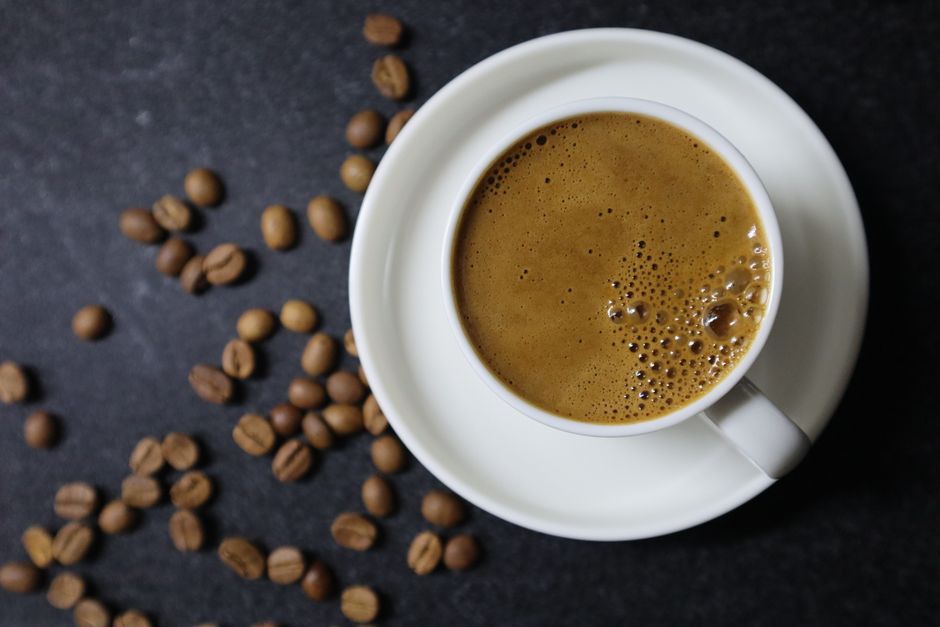
Roasted chicory is the dried, roasted root of the chicory plant, Cichorium intybus. It brews into a dark, bitter drink that tastes like coffee but contains no coffee. Its flavor is earthy and slightly woody, with a bitterness that comes from the same roasting process that darkens coffee beans. Nutritionally, a plain cup has almost no calories, no fat, and very little protein. What it does contain is inulin, a fiber that behaves differently in the body than most fibers people eat.
You have probably met chicory without knowing it. It shows up in New Orleans-style coffee, in some instant coffee blends, and in “coffee substitutes” sold as caffeine-free alternatives. The taste is close enough to coffee that people use it as a swap. The nutrition is not close at all, and that gap is where most of the interesting questions live.
What Is Roasted Chicory Taste Brew Nutrition?
Chicory root is roughly 15 to 20 percent inulin by weight before roasting, and inulin is a soluble fiber. That single fact drives most of what chicory does in the body. Inulin is a fructan — a chain of fructose units that human digestive enzymes cannot break down. It passes through the small intestine largely intact and lands in the colon, where gut bacteria ferment it.
That fermentation is why chicory has a reputation as a prebiotic. Prebiotics feed beneficial bacteria rather than being digested by you. The bacteria produce short-chain fatty acids as a byproduct, which the colon lining uses for energy. This is well-established physiology. What is less established is how much of this benefit you actually get from a cup of chicory brew, because roasting degrades a meaningful portion of the inulin.
Here is the non-obvious part. Raw chicory root is a fiber supplement. Roasted chicory root is a beverage. The roasting that creates the coffee-like flavor also breaks down some inulin into smaller fragments and generates the brown compounds responsible for color and bitterness. So the drink you pour is not nutritionally identical to the root it came from. Most marketing treats them as the same thing. They are not.
What Does Roasted Chicory Taste Like?
The taste is bitter, earthy, and nutty, with a slightly sweet finish that comes from caramelized compounds formed during roasting. People describe it as coffee-adjacent but flatter — it lacks coffee’s acidity and brightness. Some find a faint woody or smoky note.
Bitterness is the dominant characteristic. That bitterness is real chemistry, not a flaw. Roasting creates bitter compounds called lactucin and lactucopicrin, which are also found in the chicory plant’s leaves. These are the same compounds studied for their effects on appetite in some animal research, though human evidence is limited.
How you brew it changes the cup significantly:
- Strength: More grounds and longer steeping increase bitterness faster than they increase body.
- Blending: Chicory is often cut with coffee or other grains. A 50/50 blend tastes much closer to coffee than pure chicory.
- Milk and sweetener: These mask bitterness effectively. Many traditional preparations rely on them.
- Roast level: Darker roasts taste more bitter and less earthy. Lighter roasts preserve more of the root’s natural sweetness.
If you dislike black coffee because it is too acidic, chicory may suit you. If you dislike bitterness in general, it probably will not, no matter how you brew it.
Is Chicory Coffee Good for You?
The evidence is genuinely mixed, and it depends on what claim you are asking about. Chicory is not a health food in the way marketing often presents it. It is also not harmful for most people in normal amounts. The truth sits in between.
What has reasonable support:
- It is caffeine-free. This is simply a fact, not a health claim. For people who want a coffee-like drink without stimulants, that matters.
- It contains inulin, a fiber. Fiber intake is associated with digestive health in broad population research. Whether chicory brew delivers enough inulin to matter is a separate question.
- It has very few calories. A plain cup without milk or sugar contributes almost nothing to energy intake.
What has weak or absent support:
- Weight loss claims. No clinical evidence confirms that drinking chicory causes meaningful weight loss.
- Blood sugar control. Some small studies suggest chicory may affect blood sugar markers, but the evidence is not strong enough to present as established.
- Liver support, detox, or “cleansing.” No clinical evidence confirms these claims. The liver does not need a beverage to do its job.
- Replacing coffee’s benefits. Coffee has a large body of research behind it. Chicory does not. Swapping one for the other does not transfer the evidence.
Some clinicians recommend chicory as a caffeine-free coffee alternative for people who want to reduce caffeine. That is common practice, not a strong evidence-based recommendation. The distinction matters.




How Much Inulin Is in a Cup of Chicory?
This is harder to answer than most sources admit. Raw chicory root contains roughly 15 to 20 percent inulin by weight. Roasting reduces that, and the amount lost depends on roast temperature and duration. Brewing extracts only part of what remains.
No standard reference establishes the inulin content of a brewed cup of chicory. Estimates vary widely. Anyone quoting a precise number is likely guessing.
For context, inulin is also found in foods people eat regularly:
- Chicory root (highest concentration among common foods)
- Jerusalem artichoke
- Onion and garlic
- Leeks and asparagus
- Bananas, especially less ripe ones
If you want inulin for gut health, food sources and chicory root powder are more reliable than brewed chicory. The drink is a beverage first.
Does Chicory Have Side Effects?
Yes, for some people. Inulin is a fermentable fiber, and fermentable fibers cause gas and bloating in sensitive individuals. This is the most common complaint and it is well documented.
People most likely to notice digestive effects include those with irritable bowel syndrome, since inulin is a FODMAP — a type of carbohydrate that triggers symptoms in some IBS patients. If you follow a low-FODMAP diet, chicory is generally on the avoid list.
Other considerations:
- Allergy: Chicory is in the same plant family as ragweed, chrysanthemums, and marigolds. People with allergies to these plants may react to chicory. This is a real but uncommon concern.
- Pregnancy and breastfeeding: No clinical guidelines currently exist for chicory consumption in these populations. Avoiding it is a reasonable default, not a proven necessity.
- Children: No clinical guidelines currently exist for chicory in children.
- Medication interactions: Chicory may affect blood sugar, so people on diabetes medication should be aware. This is a theoretical concern based on limited evidence, not a documented interaction.
Start with a small amount if you have never had it. That is practical advice, not a clinical protocol.
Chicory vs. Coffee: How Do They Compare?
They look similar in a cup and behave very differently in the body. The comparison below uses established facts about each.
| Feature | Roasted Chicory | Coffee |
|---|---|---|
| Caffeine | None | Roughly 95 mg per 8 oz brewed cup |
| Main fiber | Inulin (amount varies after roasting) | Negligible |
| Calories (plain) | Nearly zero | Nearly zero |
| Taste | Bitter, earthy, woody | Bitter, acidic, aromatic |
| Research base | Limited | Extensive |
The caffeine-free nature of chicory is its clearest practical advantage. People who are sensitive to caffeine or who want an evening coffee-like drink often choose it for that reason alone. That is a straightforward use case with no evidence problems.
The comparison breaks down when people claim chicory delivers coffee’s health benefits without caffeine. Those benefits are tied to coffee’s specific compounds, not to the experience of drinking something dark and bitter. Chicory has its own compounds. They are not the same.
How Should You Store and Brew It?
Roasted chicory is sold as ground root, often blended with other ingredients. Store it like coffee: airtight container, cool dark place, away from moisture. Ground chicory loses aroma over time but does not spoil quickly.
Brewing methods vary. Common approaches include:
- French press: Steep ground chicory in hot water for several minutes, then press.
- Drip: Works like coffee but chicory can clog some filters if ground too fine.
- Boiling: Traditional in some cultures. Produces a stronger, more bitter cup.
- Instant: Sold as a powder that dissolves in hot water. Convenient but often blended with other ingredients.
There is no established standard ratio. Personal taste governs, and most people adjust by trial. If you are blending with coffee, start with a small proportion of chicory and increase gradually.
Is Roasted Chicory Worth Trying?
If you want a caffeine-free, low-calorie drink with a coffee-like flavor, chicory is a reasonable choice. That is a modest, honest reason to drink it.
If you are choosing it for weight loss, detox, or disease prevention, the evidence does not support those expectations. No large human trials have confirmed most of the health claims attached to chicory. The inulin content is real, but a brewed cup is a weak delivery system compared to chicory root powder or high-fiber foods.
Drink it because you like it or because you want to skip caffeine. Those are solid reasons. The rest is mostly marketing.
Frequently Asked Questions
Does roasted chicory taste like coffee?
It tastes similar to coffee but flatter, earthier, and less acidic. Many people find it close enough to use as a substitute, especially when blended with real coffee.
Is chicory coffee caffeine-free?
Pure roasted chicory contains no caffeine. Check labels on blends, because chicory mixed with coffee will contain whatever caffeine the coffee contributes.
Can chicory help with weight loss?
No clinical evidence confirms that drinking chicory causes weight loss. It is low in calories, which can help if it replaces a higher-calorie drink, but that is not the same as a weight-loss effect.
Does chicory cause gas or bloating?
It can, because its inulin content is a fermentable fiber that gut bacteria break down. People with IBS or sensitivity to FODMAPs are most likely to notice digestive effects.
