
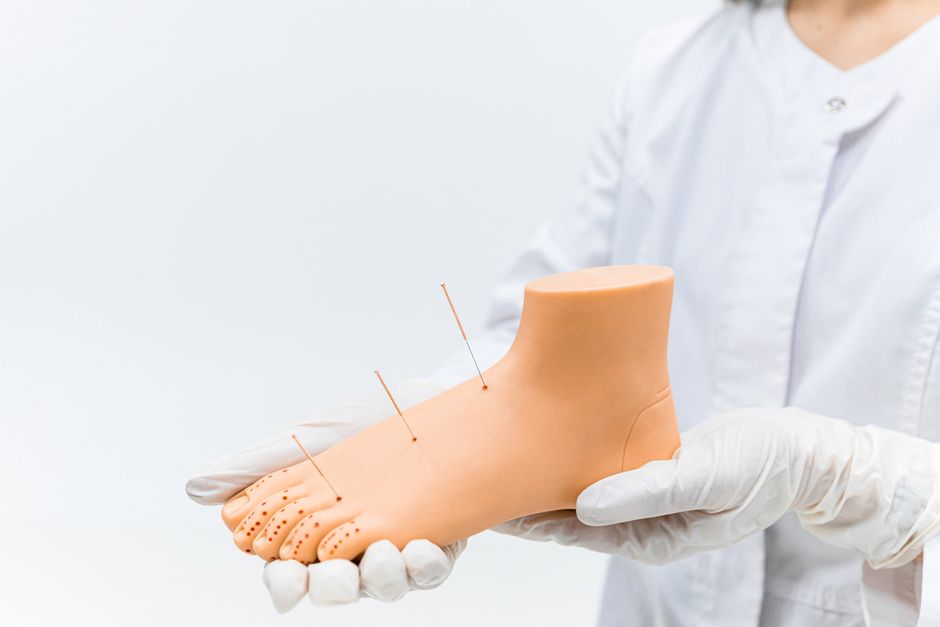
Dry needling is a treatment where a trained practitioner inserts thin, solid filiform needles into trigger points in muscles. It is used to treat muscle pain and movement issues, and it is not the same as acupuncture. The procedure carries some risks, including soreness, bleeding, and in rare cases, more serious complications like a collapsed lung.
How Does Dry Needling Work?
Dry needling targets what clinicians call myofascial trigger points. These are hyperirritable spots in a muscle that feel like tight knots. When pressed, they can cause pain in that spot or refer pain to another part of the body.
The needle is inserted directly into the trigger point. When it hits the right spot, you may feel a brief muscle twitch. This twitch response is a key part of the treatment. The theory is that the twitch helps the muscle relax and improves blood flow to the area.
It is called “dry” needling because the needle is solid and does not inject anything. The needle itself is the tool. The procedure is based on Western medicine concepts of anatomy and physiology, not on traditional Chinese medicine.
What Conditions Is Dry Needling Used For?
Dry needling is most commonly used for musculoskeletal pain. Physical therapists, chiropractors, and some medical doctors perform it. The most common reasons people seek dry needling include:
- Neck pain and tension headaches
- Low back pain
- Shoulder pain and rotator cuff issues
- Tennis elbow
- Plantar fasciitis
- Knee pain
- Myofascial pain syndrome
Some practitioners also use dry needling for conditions like carpal tunnel syndrome or temporomandibular joint (TMJ) disorders. The evidence for these uses is less established than for muscle-related pain.
Research on dry needling is growing but mixed. Some studies show it provides short-term pain relief for certain conditions. Other studies show results similar to sham treatments or standard physical therapy. The strongest evidence supports its use for neck pain and myofascial trigger points. Evidence for other conditions is weaker.
What Happens During a Dry Needling Session?
Before the procedure, the practitioner will examine you and identify the muscles involved. They will feel for taut bands and trigger points. The skin is cleaned with alcohol.
You lie down or sit in a comfortable position. The practitioner inserts the needle through the skin and into the muscle. You may feel a small prick as the needle goes in. When the needle reaches the trigger point, you may feel a twitch or a dull ache.
A single session typically lasts 15 to 30 minutes. The number of sessions needed varies. Some people feel relief after one session. Others need several sessions over a few weeks. The needles are removed after a short time, usually a few seconds to a few minutes per muscle.
The number of needles used depends on how many trigger points need treatment. Some people need only a few needles. Others need more.



What Are the Side Effects and Risks of Dry Needling?
Most side effects are mild and short-lived. The most common ones are soreness after the procedure and minor bleeding or bruising at the needle site. This soreness can last anywhere from a few hours to a couple of days.
Some people feel tired or lightheaded after a session. This usually passes quickly. Serious complications are rare but possible. They include:
- Pneumothorax (collapsed lung) if a needle goes too deep near the chest
- Nerve injury if a needle hits a nerve
- Infection if the skin is not properly cleaned
- Excessive bleeding, especially in people taking blood thinners
Pneumothorax is the most serious risk. The chest and upper back are the highest-risk areas. This is why practitioner training and anatomy knowledge matter so much. A needle inserted too deep between the ribs can puncture the lung.
People taking blood thinners should discuss the risks with their practitioner before treatment. The same applies to people with bleeding disorders. Pregnant women should also inform their practitioner, as some areas are avoided during pregnancy.
Is Dry Needling the Same as Acupuncture?
No. This is one of the most common points of confusion. The needles look similar, but the philosophy and technique are different.
Acupuncture is a traditional Chinese medicine practice that dates back thousands of years. It is based on the concept of energy flow, or qi, through pathways called meridians. Acupuncture points are chosen based on these meridians, and needles are often placed far from the site of pain.
Dry needling is based on Western anatomy and physiology. Needles are placed directly into the trigger point or tight muscle band. The goal is mechanical — to release the knot and reduce pain. There is no concept of energy flow in dry needling.
Some acupuncture practitioners also perform dry needling. But the training and certification are different. Dry needling is typically taught to physical therapists and other healthcare professionals within their scope of practice.
Who Should Not Get Dry Needling?
Dry needling is not safe for everyone. There are absolute contraindications where the procedure should not be performed. These include:
- Needle phobia that prevents the person from staying still
- Inability to consent to treatment
- Local skin infection at the needle site
- Compromised immune system in some cases
Relative contraindications mean the procedure can be done but with extra caution. These include pregnancy, taking blood thinners, or having lymphedema in the treatment area. A practitioner should always ask about your full medical history before starting.
If you have a bleeding disorder or take anticoagulant medication, tell your practitioner. They may decide to avoid certain areas or skip the treatment entirely. The same applies if you have a pacemaker or other implanted device.
How Do You Choose a Qualified Dry Needling Practitioner?
Training requirements vary by state and profession. In the United States, dry needling is most often performed by physical therapists. Some states require specific certification. Others do not regulate it as strictly.
Ask your practitioner about their training and experience. A qualified practitioner should be able to explain their credentials clearly. They should also be able to describe the risks and benefits honestly.
Look for someone who has completed a formal dry needling certification course. These courses include hands-on training and anatomy education. Experience matters too. A practitioner who performs dry needling regularly is likely to have better skill and judgment.
Your practitioner should always explain the procedure before starting. They should tell you what to expect, including potential side effects. If they do not discuss risks, consider that a red flag.
What Does the Research Say About Effectiveness?
The evidence base for dry needling is evolving. Some research suggests it offers short-term pain relief for certain muscle conditions. A 2020 analysis of multiple studies found that dry needling may reduce pain compared to no treatment for people with neck pain. However, the quality of the evidence is moderate at best.
For low back pain, results are mixed. Some studies show benefit. Others show no difference between dry needling and sham needling. Sham needling uses a needle that does not penetrate the skin, which helps researchers test whether the real treatment works better than a placebo.
One important point: dry needling is rarely a standalone treatment. Most clinical guidelines recommend it as part of a broader treatment plan that includes exercise, stretching, and education. Dry needling alone is not a cure for chronic pain.
Some research suggests that the pain relief from dry needling may be related to a placebo effect. The needle insertion, the twitch response, and the practitioner’s attention all contribute to the patient’s experience. This does not mean dry needling is useless. It means the mechanism of benefit is not fully understood.
Frequently Asked Questions
Does dry needling hurt?
You may feel a brief prick when the needle enters the skin and a twitch or ache when it hits the trigger point. After the session, the treated muscles may feel sore for a day or two.
How many dry needling sessions will I need?
Some people feel relief after one session, but most need multiple sessions over several weeks. Your practitioner will assess your response and adjust the treatment plan accordingly.
Can dry needling cause nerve damage?
Nerve injury is a rare but possible complication if a needle directly hits a nerve. Choosing a practitioner with thorough anatomy training reduces this risk significantly.
Is dry needling covered by insurance?
Coverage varies by insurance plan and by the practitioner’s profession. Physical therapy dry needling is sometimes covered, but you should check with your insurance provider before starting treatment.
