
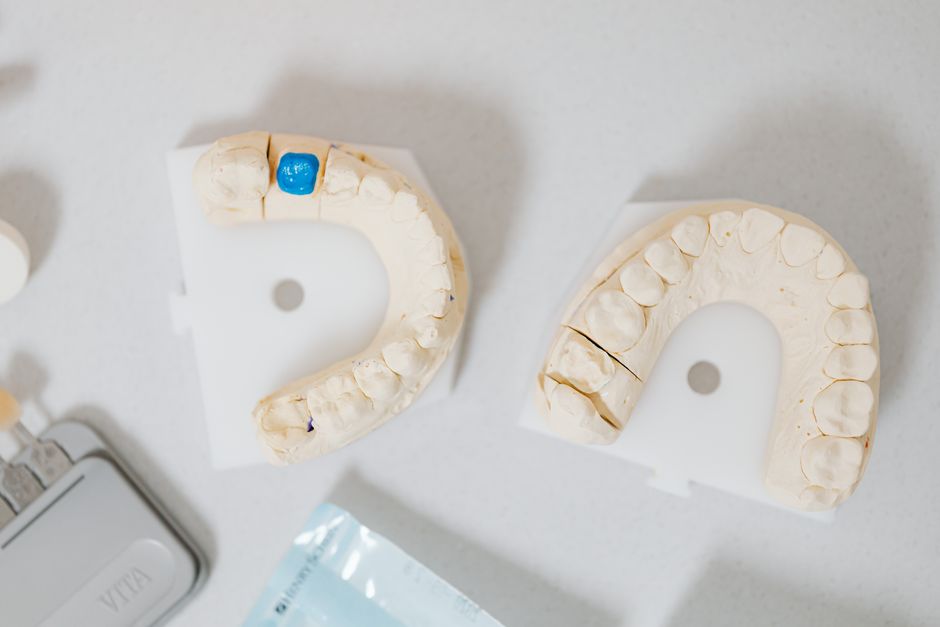
A tooth crown is a custom-made cap that fits over a damaged tooth to restore its shape, size, strength, and appearance. The procedure usually takes two visits to the dentist, though some modern techniques allow for a single visit. The process involves preparing the tooth, taking an impression, and then cementing the final crown into place.
What Exactly Is a Tooth Crown?
A crown acts like a protective helmet for your tooth. It covers the entire visible portion of the tooth above the gum line. Unlike a filling, which sits inside the tooth, a crown surrounds the whole structure.
Dentists use crowns when a tooth is too damaged for a filling. This includes teeth with large cracks, advanced decay, or teeth that have had root canal treatment. Crowns also hold dental bridges in place and cover dental implants.
The crown becomes the new outer surface of your tooth. It restores normal biting and chewing function while protecting the weakened tooth underneath from further damage.
How Do Tooth Crowns Work Procedure Materials: The Step-by-Step Process
The crown procedure follows a standard sequence. Understanding each step helps you know what to expect at your appointment.
Step 1: Examination and preparation. Your dentist examines the tooth and takes X-rays to check the roots and surrounding bone. If the tooth has significant decay or a fracture, the dentist removes the damaged tissue first. Then the tooth is shaped down to a smaller size using a local anesthetic. This creates space so the crown can fit over it properly.
Step 2: Impression taking. After reshaping, the dentist takes an impression of the prepared tooth and the surrounding teeth. Traditional impressions use a soft putty-like material in a tray. Many offices now use digital scanners that create a 3D model on a computer screen. This model goes to a dental laboratory where technicians fabricate your custom crown.
Step 3: Temporary crown placement. While your permanent crown is being made, the dentist places a temporary acrylic crown. This protects the prepared tooth and maintains spacing. Temporary crowns are not as strong as permanent ones, so you should avoid sticky or hard foods until the final crown is placed.
Step 4: Permanent crown fitting. About two to three weeks later, you return for the final appointment. The dentist removes the temporary crown, checks the fit and color of the new crown, and makes any needed adjustments. Once the fit is correct, the crown is cemented permanently onto your tooth.
Some offices offer same-day crowns using CAD/CAM technology. A machine mills the crown from a block of ceramic while you wait. This eliminates the need for a temporary crown and a second appointment.
What Materials Are Used for Tooth Crowns?
Crown materials vary in strength, appearance, and cost. The best choice depends on which tooth needs the crown, how much biting force it receives, and your cosmetic goals.
Porcelain-fused-to-metal (PFM) crowns have been a standard option for many years. They offer good strength from the metal base and natural appearance from the porcelain outer layer. The main drawback is that the metal margin can show as a dark line near the gum over time.
All-ceramic or all-porcelain crowns provide the most natural appearance. They are ideal for front teeth where aesthetics matter most. Modern zirconia and lithium disilicate materials are strong enough for molars in many cases, though some dentists still prefer metal for the highest-stress areas.
Gold and metal crowns are extremely durable and cause minimal wear to opposing teeth. They withstand heavy biting forces well and rarely chip or break. Their metallic color makes them a poor choice for visible teeth, but they remain an excellent option for molars.
Resin crowns are less expensive but wear down faster and are more prone to fractures than other materials. They are often used as temporary crowns rather than permanent restorations.
Your dentist will discuss which material fits your specific situation. Cost, insurance coverage, and the location of the tooth all factor into the recommendation.





How Long Do Crowns Last?
With good oral hygiene and regular dental checkups, crowns typically last between 5 and 15 years. Some last much longer. The lifespan depends on the material, your bite, and how well you care for your teeth.
Crowns do not decay themselves, but the tooth underneath can still develop cavities at the margin where the crown meets the gum. Brushing twice daily, flossing around the crown, and avoiding chewing on ice or hard objects all help extend the crown’s life.
Teeth grinding and clenching put extra stress on crowns. If you grind your teeth at night, ask your dentist about a night guard to protect both your crowns and your natural teeth.
What Does Getting a Crown Feel Like?
The tooth preparation requires local anesthesia, so you should not feel pain during the procedure. You may feel pressure and vibration from the dental handpiece. Some people experience temporary sensitivity to hot and cold after the anesthesia wears off, especially if the tooth has a large filling or recent root canal.
After the permanent crown is cemented, it may take a few days to feel completely normal. Your bite may need minor adjustments if the crown feels too high. If your bite feels uneven, tell your dentist. Leaving a high crown can cause jaw pain and damage the tooth over time.
Mild gum soreness around the crowned tooth is common for a few days. Over-the-counter pain relievers usually manage this discomfort. If pain persists or worsens, contact your dentist.
What Are the Risks and Complications?
Crown procedures are routine and safe, but complications can occur. Understanding them helps you recognize problems early.
Nerve damage is a rare but real risk. If a tooth has extensive decay or a deep fracture, the nerve may be affected during preparation. This can cause pain or sensitivity that may require root canal treatment after the crown is placed.
Poor fit can allow bacteria to enter underneath the crown, leading to decay in the underlying tooth. This is why regular checkups are essential. Your dentist can detect early problems before they cause significant damage.
Allergic reactions to crown materials are uncommon but possible. Some people are sensitive to certain metals used in PFM or metal crowns. Tell your dentist about any known metal allergies before the procedure.
Crown loosening can occur if the cement breaks down over time. A loose crown allows food and bacteria to get underneath. If your crown feels loose or shifts when you bite, see your dentist promptly.
How Much Do Crowns Cost?
Crown costs vary widely depending on your location, the dentist, and the material chosen. In the United States, prices typically range from $800 to $1,500 per crown without insurance. Porcelain and zirconia crowns generally cost more than metal or PFM options.
Dental insurance often covers a portion of crown costs, usually 50 percent after your deductible. However, many plans have an annual maximum that may not cover the full cost. Your dentist’s office can provide a cost estimate before treatment begins.
If cost is a concern, discuss options with your dentist. Some offices offer payment plans. Dental schools sometimes provide crowns at reduced cost, though treatment times are longer.
Alternatives to Crowns
Crowns are not always the only option. Depending on the condition of your tooth, other treatments may work.
Fillings are appropriate for smaller areas of decay or damage. They do not cover the entire tooth and are less invasive. However, large fillings can weaken a tooth over time and may eventually need a crown.
Veneers cover only the front surface of a tooth. They are primarily for cosmetic improvements, not for restoring heavily damaged teeth. Veneers require less tooth removal than crowns but offer less protection.
Onlays and inlays are indirect restorations that fit within the cusps of a tooth. They preserve more natural tooth structure than crowns. These are good options when the damage is too extensive for a filling but does not require full crown coverage.
Extraction is the last resort. If the tooth cannot be saved, removal may be necessary. Replacement options then include dental implants, bridges, or partial dentures.
Frequently Asked Questions
Does getting a tooth crown hurt?
No, the procedure is performed under local anesthesia so you should not feel pain during the preparation. Some soreness and sensitivity after the anesthesia wears off is normal and usually resolves within a few days.
How long does the crown procedure take?
The traditional two-visit process takes about an hour for preparation and another hour for placement two to three weeks later. Same-day crown systems complete the entire process in a single appointment lasting roughly two hours.
Can a crown fall off?
Yes, crowns can loosen or fall off if the cement breaks down or if decay develops underneath. If this happens, keep the crown and contact your dentist immediately for re-cementation.
How should I care for a tooth with a crown?
Brush twice daily and floss around the crown just like your natural teeth, paying extra attention to the gum line where the crown meets the tooth. Avoid chewing ice or hard candies, and wear a night guard if you grind your teeth.
