
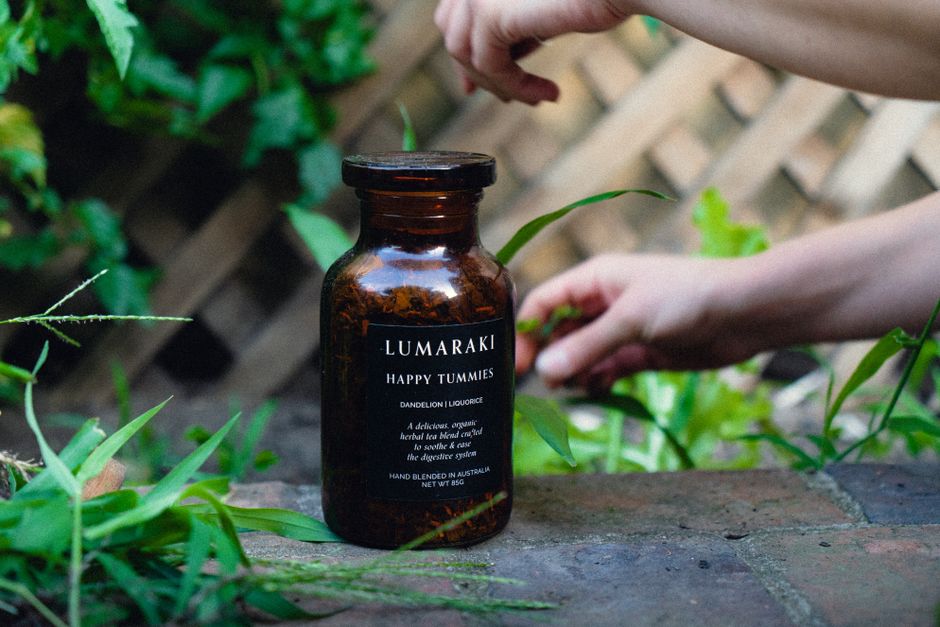
Dandelion root tea is a traditional herbal drink made by steeping the roasted or dried root of the dandelion plant. It is most often used as a caffeine-free coffee substitute, a mild digestive aid, and a traditional diuretic. The plant’s scientific name is Taraxacum officinale, and it grows as a common yard weed across most of North America and Europe.
People ask what dandelion root tea is good for because it has a long history in folk medicine and a growing presence on store shelves. The honest answer sits somewhere between “it does some real things” and “it is not a treatment for disease.” Below is what the evidence actually supports, what it does not, and where the marketing runs ahead of the science.
What Is Dandelion Root Tea Good For?
The best-supported uses are digestive comfort and mild fluid retention. Dandelion root contains bitter compounds called sesquiterpene lactones, which can stimulate saliva and stomach acid production when they hit the tongue. That bitter reflex is a real, measurable physiological response, and it is the basis for the traditional use of dandelion as a “digestive bitter.”
The plant also contains inulin, a type of soluble fiber. Inulin is a prebiotic, meaning it feeds certain gut bacteria. That is a genuine property of the root, though the amount you get from a cup of tea is modest compared with eating the whole vegetable or taking a concentrated fiber supplement.
Dandelion leaves and root have both been studied for their diuretic effect. Some small human studies have found increased urine output after dandelion extract, and the effect appears milder than prescription diuretics. The root is not the strongest part for this purpose — the leaves are traditionally used more for fluid balance — but root preparations are often sold for the same reason.
What dandelion root tea is not good for is curing cancer, reversing liver disease, or replacing any prescribed medication. Those claims circulate widely online and are not supported by human clinical trials.
Does Dandelion Root Tea Actually Detox Your Liver?
No. Your liver does not need a tea to detoxify itself, and no herbal product has been shown to improve liver function in healthy people. The liver detoxifies your blood continuously using enzymes it already produces. That process does not need outside help, and it cannot be sped up by drinking a plant extract.
The confusion comes from laboratory studies. Some test-tube and animal research has looked at dandelion extracts and certain liver enzymes or oxidative stress markers. Those findings are interesting for researchers, but they do not translate into a human benefit. A cell in a petri dish is not a person, and results in rodents frequently fail to hold up in humans.
There is also a safety point here worth stating plainly. Some cases of liver injury have been reported in people taking dandelion-containing supplements. These reports are rare and often involve multi-ingredient products, so a direct cause is hard to confirm. But the idea that a “liver herb” is automatically gentle on the liver is not accurate.
If you have liver disease, herbal teas are not a treatment. Talk to a doctor.
Can Dandelion Root Tea Help With Digestion?
It can help some people feel more comfortable after a meal, mainly through the bitter reflex described above. When bitter compounds touch your tongue, your body ramps up digestive secretions in anticipation of food. This is a well-documented response, not a folk claim.
That said, the evidence for dandelion specifically improving symptoms like bloating, gas, or indigestion is thin. Most of what exists is based on traditional use and small studies, not large controlled trials. If you find it helps you, that is a reasonable personal observation. It is not proof the tea treats a digestive disorder.
The inulin content may also matter, but in a way that cuts both directions. Prebiotic fiber can support gut bacteria over time. It can also cause gas, bloating, and cramping in people who are sensitive to it, especially in larger amounts. A single cup is unlikely to cause problems for most people. Concentrated dandelion root supplements are a different story.



Is Dandelion Root Tea a Diuretic?
It has a mild diuretic effect, and this is one of its better-documented traditional uses. Some small human studies have measured increased urination after dandelion extract. The effect appears weaker than prescription diuretics like furosemide.
This matters for a few reasons. If you take a prescription diuretic, adding dandelion could theoretically compound the effect. That is not a combination to try without asking a doctor, especially if you take medication for heart failure or high blood pressure.
Dandelion is also high in potassium, which is one reason it is often described as a “potassium-sparing” diuretic in herbal literature. That label is somewhat misleading. The potassium content of a cup of tea is not the same as a carefully balanced electrolyte plan, and no tea replaces medical management of fluid retention.
If you have swelling in your legs, shortness of breath, or sudden weight gain, that is a medical issue. See a doctor rather than reaching for a tea.
What About Dandelion Root Tea and Blood Sugar?
Some research suggests dandelion may affect blood sugar, but the evidence is early and mostly from animal studies. A few small human studies have looked at dandelion extract and post-meal blood sugar, with mixed results. No clinical guideline recommends dandelion for diabetes or prediabetes.
This is a place where caution matters. If you take insulin or a medication that lowers blood sugar, an herb that also affects glucose could push you too low. That risk is not well studied for dandelion, which means the safe assumption is that it could interact. Ask your doctor before adding it.
Do not use dandelion root tea to manage diabetes. It is not a substitute for monitoring, diet, medication, or any part of a diabetes care plan.
Who Should Avoid Dandelion Root Tea?
Several groups should be careful or skip it entirely.
- People allergic to ragweed, chrysanthemums, marigolds, or daisies. Dandelion is in the same plant family, and cross-reactivity is possible. If you have hay fever or a known Asteraceae allergy, this is a real concern.
- People taking prescription diuretics, lithium, or blood thinners. Dandelion may interact with these. Lithium in particular is a drug with a narrow safety window, and diuretic effects can raise lithium levels.
- People with gallstones or bile duct problems. Dandelion stimulates bile flow, which could worsen certain conditions.
- People with kidney disease. The potassium content and diuretic effect are both reasons for caution.
- Pregnant and breastfeeding women. No clinical guidelines establish a safe dose for these groups. The conservative choice is to avoid it.
Children are another group with no established dosing guidance. Do not give dandelion root tea to a child for a medical purpose without a pediatrician’s input.
Does Dandelion Root Tea Have Side Effects?
For most healthy adults, a cup of dandelion root tea is unlikely to cause problems. The most common complaints are mild: upset stomach, heartburn, or gas from the inulin.
Allergic reactions are the more serious concern. Symptoms can include a rash, itchy mouth, or in rare cases a more severe reaction. If you have plant allergies, start with a small amount or avoid it.
There is also the question of what is actually in the bag. Herbal teas are regulated as food, not drugs, in the United States. That means the label does not guarantee the exact plant, the exact amount, or the absence of contaminants. A 2016 investigation by a Canadian testing group found that a number of herbal tea products contained ingredients not listed on the label, though this was not specific to dandelion. Buying from a reputable brand reduces but does not eliminate this risk.
How Does Dandelion Root Tea Compare to Coffee?
Roasted dandelion root has a dark, slightly bitter flavor that people use as a coffee substitute. It contains no caffeine, which is the main reason some people switch to it in the afternoon or evening.
It does not taste like coffee in any close sense. The resemblance is more about color and bitterness than flavor. If you are looking for a caffeine-free hot drink with a roasted note, it works. If you are looking for a coffee replacement in the true sense, expectations should be modest.
One practical note: dandelion root tea does not provide the same antioxidant profile or the same effects as coffee, and no study has compared them head to head for health outcomes. They are simply different drinks.
How Do You Make It and How Much Is Reasonable?
Dandelion root tea is usually made from dried or roasted root. A typical preparation is one to two teaspoons of dried root steeped in hot water for about ten minutes. Pre-packaged tea bags vary, so follow the package directions.
There is no official recommended daily amount for dandelion root tea. No government body has set a standard dose, and studies use extracts that are not the same as a brewed cup. Because of that, “how much is safe” cannot be answered with a number. Traditional use generally involves one to three cups per day, but that is a customary range, not a clinical guideline.
If you are taking any medication, or if you have a health condition, check with a doctor or pharmacist before making it a regular habit.
Frequently Asked Questions
Is dandelion root tea good for your liver?
No strong evidence shows it improves liver function in humans. The liver detoxifies the body on its own, and no tea is needed to help it do that.
Does dandelion root tea make you pee more?
It has a mild diuretic effect, and some small human studies have measured increased urine output after dandelion extract. The effect appears weaker than prescription diuretics.
Can you drink dandelion root tea every day?
Many people do, and it is generally well tolerated in healthy adults. No official daily limit exists, so anyone on medication or with a health condition should check with a doctor first.
Who should not drink dandelion root tea?
People allergic to ragweed or related plants, those taking diuretics, lithium, or blood thinners, and anyone with kidney or bile duct problems should avoid it or ask a doctor. Pregnant and breastfeeding women should skip it because no safe dose is established.
