
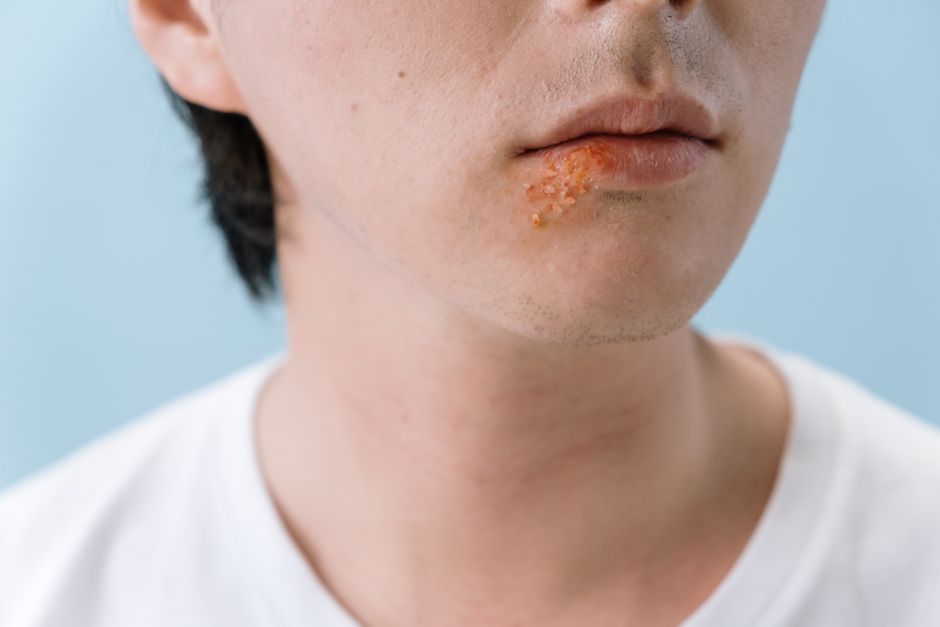
Cold sores that keep coming back are frustrating. You finish one outbreak, and another one starts a week later. This pattern usually means something specific is triggering the virus to reactivate. The root causes of back-to-back cold sores include stress, illness, sun exposure, hormonal changes, and a weakened immune system. Understanding why the virus keeps waking up is the first step to breaking the cycle.
Why Am I Getting Cold Sores Back To Back? Root Causes
Cold sores come from the herpes simplex virus type 1 (HSV-1). Once you get the virus, it stays in your body for life. It hides in nerve cells near your face, usually in the trigeminal ganglion. Most of the time, the virus stays dormant. It does nothing. Then something triggers it to wake up, travel down the nerve, and cause a blister on your lip or around your mouth.
Back-to-back outbreaks mean your triggers are happening often. Or it means your immune system is struggling to keep the virus suppressed. When your immune system is busy fighting something else, the virus seizes the chance to replicate. The result is a new cold sore before the old one fully heals.
What Actually Triggers a Cold Sore Outbreak?
The most common triggers are well documented. Stress tops the list. Physical stress like a cold, the flu, or surgery can bring on an outbreak. Emotional stress does the same thing. When you are stressed, your body produces cortisol. High cortisol levels can suppress immune function, which gives the virus an opening.
Sun exposure is another major trigger. Ultraviolet light damages the skin on your lips. This damage can reactivate the virus. Many people notice cold sores after a day at the beach or a long drive with the sun on their face. Wind and cold weather can also irritate the lips and trigger an outbreak.
Hormonal changes play a role, especially for women. Menstruation, pregnancy, and perimenopause can all shift hormone levels in ways that reactivate the virus. Some women get cold sores at the same point in their cycle every month.
Fatigue and lack of sleep lower your immune defenses. If you are running on empty, the virus has an easier time breaking through. Illness of any kind can do the same. A minor respiratory infection is enough to trigger an outbreak in some people.
Why Do Some People Get Cold Sores More Often Than Others?
Genetics play a part. Some people simply carry a version of the immune system that is less effective at controlling HSV-1. Their outbreaks are more frequent and more severe. Others have the virus but rarely get symptoms. The difference is partly genetic and partly environmental.
Your immune system’s overall health matters. People with weakened immune systems get more frequent outbreaks. This includes people on immunosuppressive medications, those undergoing chemotherapy, and people with conditions that affect immune function. If you have an autoimmune condition, your outbreak pattern may be different from someone with a healthy immune system.
Age also matters. Older adults may get fewer outbreaks because their immune system has had decades of practice fighting the virus. But age-related immune changes can also make outbreaks more frequent in some people. The pattern is not uniform.





Is It the Same Cold Sore or a New One?
Sometimes what looks like a back-to-back outbreak is actually one long outbreak. A single cold sore can last 8 to 12 days. The blister forms, breaks, crusts over, and heals. If the crust falls off and a new blister appears in the exact same spot, it might be the same outbreak continuing rather than a new one.
True back-to-back outbreaks mean you have a healing period between them. The skin fully repairs, and then a new blister appears days or weeks later. If you are getting a new outbreak every few weeks, that is a different situation than one stubborn outbreak that will not fully resolve.
If a cold sore lasts longer than two weeks or keeps growing, see a doctor. That is not typical. It could be a bacterial infection on top of the virus, or it could indicate a more serious immune problem.
How to Break the Cycle of Recurrent Cold Sores
Antiviral medications are the most effective tool for frequent outbreaks. Prescription options like acyclovir, valacyclovir, and famciclovir can be taken at the first sign of a cold sore. Some doctors recommend daily suppressive therapy for people who get more than six outbreaks per year. This means taking a low dose of antiviral medication every day to prevent outbreaks entirely.
Daily suppressive therapy is not for everyone. It requires a prescription and a conversation with your doctor about whether it fits your situation. But for people with frequent outbreaks, it can change their quality of life. Studies have shown that suppressive therapy significantly reduces outbreak frequency.
Over-the-counter creams like docosanol (Abreva) can shorten healing time if applied early. They are not as strong as prescription medications, but they are accessible without a doctor visit. They work best when you feel the tingling or itching that signals an outbreak is starting.
Lifestyle changes can reduce triggers. If sun exposure triggers your outbreaks, use lip balm with SPF every day. If stress is your trigger, find ways to manage it. Sleep, exercise, and relaxation techniques all help. These are not cures, but they can reduce how often the virus reactivates.
When to See a Doctor About Frequent Cold Sores
Frequent outbreaks are a reason to talk to a doctor. If you are getting more than six outbreaks a year, or if outbreaks are severe, painful, or slow to heal, medical advice is warranted. A doctor can confirm the diagnosis and discuss treatment options.
See a doctor immediately if a cold sore spreads to your eyes. Ocular herpes is a serious condition that can threaten vision. Also seek medical attention if you have a weakened immune system and get a cold sore. The infection can be more severe in that situation.
Back-to-back outbreaks can also be a sign that something else is going on. Chronic stress, an undiagnosed illness, or a nutritional deficiency could be contributing. A doctor can help you figure out if there is an underlying issue driving your outbreak pattern.
Can You Prevent Cold Sores Entirely?
No. There is no cure for HSV-1, and no way to guarantee you will never get another cold sore. The virus is permanent once you have it. But prevention is about reducing frequency, not eliminating the virus completely.
Knowing your triggers is the most practical prevention strategy. If you know sun exposure causes outbreaks, protect your lips. If lack of sleep is your trigger, prioritize rest. If stress is your trigger, build stress management into your routine. These changes will not prevent every outbreak, but they can reduce the number you get.
Suppressive antiviral therapy is the closest thing to prevention that exists. It does not clear the virus, but it keeps it from reactivating. For people with frequent outbreaks, this is often the most reliable approach.
Are There Natural Remedies That Work?
Some natural remedies have limited evidence behind them. Lysine, an amino acid, is sometimes used to prevent cold sores. Some research suggests it may help, but the evidence is not strong enough to make a firm recommendation. If you try lysine, know that it does not work for everyone.
Lemon balm cream has shown some promise in small studies for healing cold sores faster. Tea tree oil and other essential oils are sometimes mentioned, but they can irritate the skin and are not well studied for this use. No natural remedy has been proven to prevent outbreaks as effectively as antiviral medication.
Be cautious with anything that promises to cure cold sores. No cure exists. Products that claim to eliminate the virus are not backed by evidence. The best you can do is manage outbreaks and reduce their frequency.
Frequently Asked Questions
Why do I keep getting cold sores in the same spot?
The virus lives in the nerve that serves that area of your face, so it reactivates in the same location each time. This is normal and does not mean the outbreak is worse or different.
Can a weak immune system cause back-to-back cold sores?
Yes, a weakened immune system gives the virus more opportunities to reactivate. Illness, chronic stress, and certain medications can all lower immune function and increase outbreak frequency.
How many cold sores a year is considered frequent?
More than six outbreaks per year is generally considered frequent. This is the threshold where doctors often discuss daily suppressive antiviral therapy.
Is it safe to take antiviral medication every day for cold sores?
Daily suppressive therapy is safe for most people when prescribed by a doctor. It is used long-term by many patients and is generally well tolerated, but you should discuss it with your healthcare provider.
