
Cross contamination is the transfer of harmful bacteria, viruses, or other microorganisms from one surface, food, or person to another. In a kitchen, this usually happens when raw meat juices touch ready-to-eat foods, or when a cutting board used for raw chicken is later used for vegetables. It is one of the most common causes of foodborne illness, and understanding how it happens is the first step to preventing it.
What Is Cross Contamination in Food Safety?
Cross contamination is the physical movement or transfer of harmful microorganisms from one place to another. It happens in three main ways: food-to-food, equipment-to-food, and people-to-food.
Food-to-food contamination occurs when raw foods with harmful bacteria come into contact with cooked or ready-to-eat foods. Equipment-to-food contamination happens when tools like knives, cutting boards, or sponges carry bacteria from one food to another. People-to-food contamination occurs when hands carry bacteria from raw food to other items.
The most common culprit is raw meat, poultry, seafood, and eggs. These foods frequently carry pathogens like Salmonella, E. coli, and Campylobacter. When their juices drip onto other foods or surfaces, those pathogens spread.
How Does Cross Contamination Happen in a Home Kitchen?
Most home kitchens have the same problem: not enough separate cutting boards and a lack of awareness about where raw juices travel. A typical scenario starts with raw chicken on a cutting board. The cook chops vegetables on the same board without washing it. The vegetables are served raw in a salad. The bacteria from the chicken are now on the vegetables.
Another common route is the kitchen sink. Washing raw poultry in the sink can splash bacteria onto nearby surfaces, dishes, and even clean produce. Many health authorities now advise against washing raw poultry for this reason. Cooking kills the bacteria. Washing does not — it only spreads them.
Sponges and dishcloths are also major carriers. They stay damp, which lets bacteria survive and multiply. Wiping a counter with a sponge that touched raw meat juice simply moves bacteria around the kitchen.
What Foods Are Most at Risk?
Any food that is eaten raw and has not been cooked is at risk. This includes salads, fresh fruit, raw vegetables, and deli meats. Cooked foods that will not be reheated are also at risk, like leftovers eaten cold.
High-risk groups include pregnant women, young children, older adults, and people with weakened immune systems. For these groups, foodborne illness can be more severe and sometimes life-threatening.
The foods most frequently linked to cross contamination outbreaks include:
- Raw poultry and its juices
- Ground meats
- Raw eggs
- Unwashed produce
- Deli meats and soft cheeses
These foods are not inherently dangerous when handled correctly. The danger comes from the transfer of bacteria to foods that will not be cooked before eating.




How to Prevent Cross Contamination at Home
Prevention is straightforward but requires consistency. The core principle is separation: keep raw foods and their juices away from everything else.
Use separate cutting boards. One board for raw meat, poultry, and seafood. Another board for produce and ready-to-eat foods. Color-coded boards make this easy to remember. If you only have one board, wash it with hot soapy water between uses.
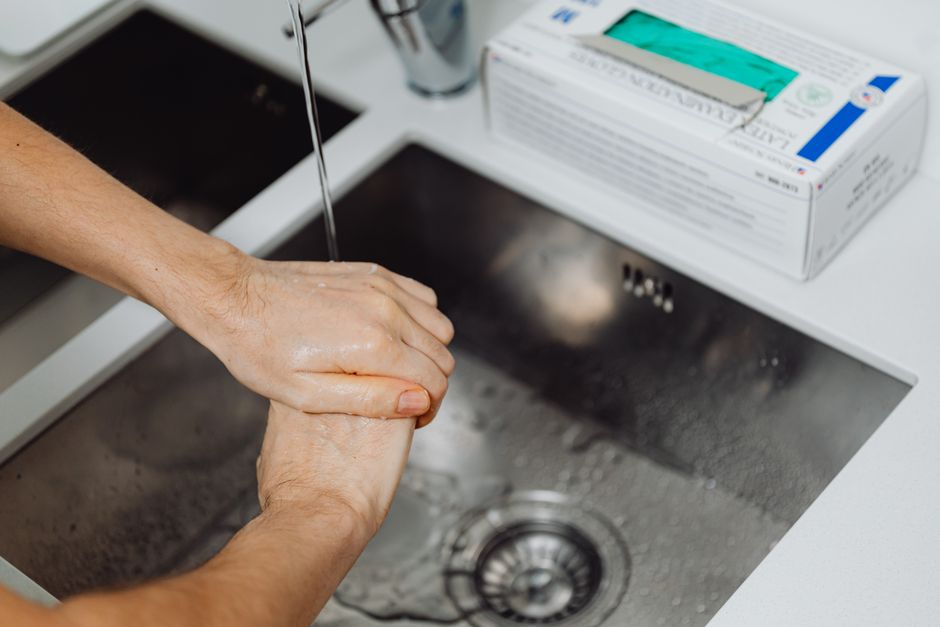
Wash your hands with soap and warm water for at least 20 seconds after touching raw meat, poultry, seafood, or eggs. This includes after handling the packaging. Raw meat packaging often has juices on the outside.
Store raw meat on the bottom shelf of the refrigerator. This prevents juices from dripping onto other foods. Place raw meat in a bowl or on a plate to catch any leaks.
Clean and sanitize surfaces after preparing raw foods. Hot soapy water removes visible dirt. A sanitizing solution kills remaining bacteria. Many kitchen sanitizers are available, or you can use a diluted bleach solution — one tablespoon of unscented bleach per gallon of water is a commonly recommended ratio.
Replace sponges regularly. A sponge that has touched raw meat juices should be washed in the dishwasher or replaced. Microwave damp sponges for one minute to reduce bacteria, but replace them often.
Does Washing Produce Help Prevent Cross Contamination?
Washing produce under running water removes dirt and some surface bacteria. It is not a guarantee of safety, but it reduces risk. The FDA and other health agencies recommend rinsing fresh fruits and vegetables under running water before eating. This includes produce with skins you do not eat, like melons — cutting through the skin can push bacteria into the flesh.
Do not use soap, detergent, or commercial produce washes. These are not necessary and can leave residues. Plain running water is sufficient. For firm produce like apples or potatoes, rubbing with your hands while rinsing helps remove more bacteria.
Leafy greens require extra attention. Bacteria can hide in the crevices of leaves. Soaking them in cold water and rinsing each leaf individually is more effective than a quick rinse, though no method completely eliminates all bacteria.
Cross Contamination vs. Cross Contact: What Is the Difference?
These two terms are often confused, but they mean different things. Cross contamination involves harmful microorganisms like bacteria and viruses. Cross contact involves allergens like peanuts, gluten, or shellfish.
Cross contact happens when an allergen transfers from one food to another. A knife used to spread peanut butter on bread, then used to spread jelly on a different sandwich, causes cross contact. For someone with a severe peanut allergy, this is dangerous.
The prevention methods are similar — separate tools, surfaces, and storage. But the stakes differ. A small amount of bacteria can make someone sick. A microscopic amount of an allergen can trigger a severe allergic reaction in a sensitive person.
The FDA requires restaurants to address both cross contamination and cross contact in their food safety plans. At home, the same awareness applies.
How Long Can Bacteria Survive on Surfaces?
Bacteria can survive on surfaces for hours to days, depending on the type and conditions. Salmonella can survive on dry surfaces for several hours. Some bacteria, like norovirus, can survive for days on hard surfaces.
This is why cleaning immediately after handling raw food matters. The longer bacteria sit on a surface, the more time they have to transfer to other things. A counter wiped down hours after raw chicken was prepared may still harbor bacteria.
Temperature also matters. Bacteria multiply fastest between 40°F and 140°F. This range is called the danger zone. Keeping cold foods cold and hot foods hot slows bacterial growth. Leaving food out at room temperature for more than two hours is not recommended by food safety authorities.
Frequently Asked Questions
Can cross contamination happen in the refrigerator?
Yes. Raw meat juices can drip onto other foods if raw meat is stored above ready-to-eat items. Store raw meat on the bottom shelf in a sealed container or on a plate to catch drips.
Is it safe to wash raw chicken before cooking?
No. Washing raw chicken can splash bacteria onto nearby surfaces, dishes, and other foods. Cooking chicken to an internal temperature of 165°F kills the bacteria, so washing is unnecessary.
How often should I replace my cutting boards?
Replace cutting boards when they develop deep grooves or cracks where bacteria can hide. Wash boards with hot soapy water after each use and sanitize them regularly, especially after cutting raw meat.
Can cross contamination cause food poisoning?
Yes. Cross contamination is a leading cause of foodborne illness. When bacteria from raw foods transfer to ready-to-eat foods, those foods become contaminated and can cause symptoms like nausea, vomiting, and diarrhea.
