
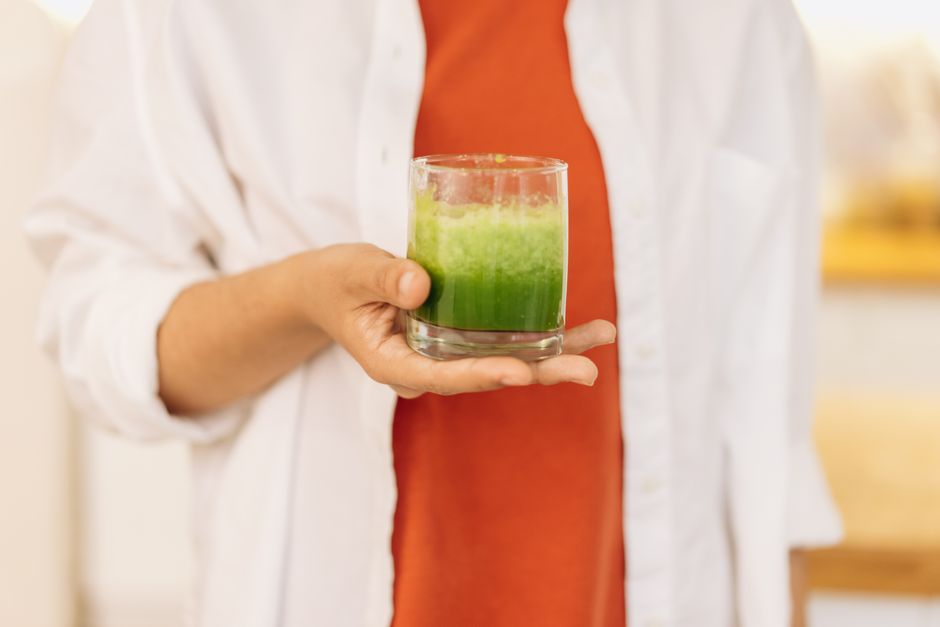
A juice cleanse involves drinking only fresh fruit and vegetable juices for a set period, usually one to three days, while avoiding solid food. For beginners, the safest approach is a one-day juice cleanse using a home juicer or store-bought cold-pressed juices. You replace your normal meals with 4 to 6 servings of juice throughout the day, drink plenty of water, and listen to your body instead of pushing through extreme hunger or dizziness. This is not a quick fix for weight loss or a way to “detox” your body in any medical sense. It is simply a short break from solid food that some people find refreshing or helpful for resetting their eating habits.
What Does a Juice Cleanse Actually Do to Your Body?
Let’s be clear about what happens physiologically. Your liver and kidneys already do all the detoxification your body needs every single day. No amount of juice changes that process. What a juice cleanse does is drastically reduce your calorie intake while flooding your system with vitamins, minerals, and plant compounds from fruits and vegetables.
Research shows that short-term juice consumption can increase your intake of certain nutrients like vitamin C and potassium. Some studies suggest it may temporarily lower blood pressure and improve markers of inflammation. But these effects are modest and disappear once you return to normal eating. The main change people notice is a drop in water weight, not actual fat loss.
Current research suggests that juice cleanses can also alter your gut microbiome. A 2026 study found that even three days of juicing reduced beneficial bacteria diversity in the gut. This is because the lack of fiber starves the good bacteria that keep your digestive system healthy. So while you might feel lighter, your gut may be paying a price.
How To Do A Juice Cleanse At Home For Beginners Step by Step
Start by picking a single day when you have minimal obligations. Do not start a juice cleanse on a busy workday or during a social event. Your body will feel different, and you want the freedom to rest if needed.
Here is a simple framework for a one-day beginner cleanse:
- Morning (8am): Green juice with kale, cucumber, celery, green apple, and lemon. This is low in sugar compared to fruit-heavy options.
- Mid-morning (10:30am): Carrot, ginger, and orange juice. The ginger helps settle your stomach.
- Lunch (1pm): Beet, apple, and celery juice. Beets are rich in nitrates that support blood flow.
- Afternoon (3:30pm): Cucumber, mint, and lime juice with a handful of spinach. Very hydrating and mild on the stomach.
- Evening (6pm): Warm vegetable broth or a simple juice of carrot, turmeric, and apple. Warm liquids can feel more satisfying than cold juice at this point.
- Before bed (8pm): Herbal tea only. No juice close to bedtime due to natural sugars.
Drink water between juices. Aim for at least 8 glasses throughout the day. If you feel hungry, have another glass of water first. Often thirst feels like hunger. If you still feel hungry after water, have an extra juice or a small handful of raw vegetables like cucumber slices.
What Are the Side Effects of a Juice Cleanse?
The most common side effects are headache, fatigue, and irritability. These usually hit around midday on the first day. They happen because your body is used to getting energy from solid food and carbohydrates. When you switch to juice alone, your blood sugar levels can drop and then spike repeatedly throughout the day.
Some people also experience dizziness, lightheadedness, or brain fog. This is more likely if you are not drinking enough water or if your juice recipes are too low in calories. A typical juice has about 100 to 150 calories. If you only have four juices in a day, that is 400 to 600 calories total. For most adults, that is a severe calorie restriction.
Digestive issues are also common. Without fiber, your bowel movements may slow down or stop completely. Some people get diarrhea from the high fruit sugar content. Bloating and gas can occur as your gut bacteria adjust to the sudden lack of fiber. As of 2026, there is no clinical evidence that these side effects are dangerous for healthy adults over a short period, but they are real and uncomfortable.



Who Should Not Try a Juice Cleanse?
This is not for everyone. If you have diabetes or blood sugar regulation issues, a juice cleanse can be dangerous. The high sugar load from fruit juices can spike blood sugar dangerously. If you have kidney disease, the high potassium content in many green juices can be harmful. Pregnant or breastfeeding women should not do juice cleanses because they need consistent calories and nutrients.
People with a history of eating disorders should avoid juice cleanses entirely. The restrictive nature can trigger unhealthy patterns around food. If you are underweight or have a medical condition that requires careful nutrition, skip this completely. The same goes for anyone taking medications that require food for absorption or that affect kidney function.
Even for healthy people, a juice cleanse is not recommended for longer than three days. Extended juice fasting can lead to muscle loss, electrolyte imbalances, and gallstone problems in susceptible individuals. If you feel unwell at any point, stop and eat a normal meal. There is no prize for pushing through discomfort.
Juice Cleanse vs. Smoothie Cleanse: What Is the Difference?
Many beginners confuse juice cleanses with smoothie cleanses. They are not the same thing, and the difference matters for your health.
| Factor | Juice Cleanse | Smoothie Cleanse |
|---|---|---|
| Fiber content | None or very little | Full fiber from whole fruits and vegetables |
| Blood sugar effect | Rapid spikes and drops | Slower, more stable release |
| Calorie density | Lower (100-150 cal per serving) | Higher (200-400 cal per serving) |
| Satiety | Low – you will feel hungry | Higher – fiber keeps you full longer |
| Gut health impact | May reduce beneficial bacteria | Supports healthy gut bacteria |
For beginners, a smoothie cleanse is generally safer and more sustainable. You get the nutrient benefits without the blood sugar roller coaster or the gut microbiome disruption. If your goal is simply to eat more vegetables and fruits, making a daily smoothie is a better long-term habit than a short juice cleanse.
How to Transition Back to Normal Eating After a Juice Cleanse
How you end a juice cleanse matters as much as how you start. Going straight back to a heavy meal can cause digestive distress, bloating, and discomfort. Your digestive system has been resting from solid food, and it needs a gentle reintroduction.
On the morning after your cleanse, start with a small meal like a piece of whole grain toast with avocado or a bowl of oatmeal with berries. Chew slowly. Your body needs to readjust to processing fiber. For lunch, have a simple salad with vegetables and a protein source like grilled chicken or lentils. Avoid red meat, fried foods, and dairy for the first day back.
Some people report feeling bloated or gaining a few pounds back immediately after a cleanse. This is normal. It is mostly water weight returning as your body rehydrates and glycogen stores refill. The weight you lost during the cleanse was mostly water and waste, not fat. Accept this reality before you start so you do not feel disappointed.
If you found the cleanse experience helpful for resetting your eating habits, consider using the day after to start a whole foods diet. Focus on vegetables, fruits, lean proteins, and whole grains. The best outcome of a juice cleanse is not the cleanse itself but the motivation it gives you to eat better afterward.
Frequently Asked Questions
Can I exercise during a juice cleanse?
Light activity like walking or gentle yoga is fine, but avoid intense workouts. Your calorie intake is too low to support heavy exercise, and you risk dizziness or injury.
Do I need a special juicer for a home juice cleanse?
A standard centrifugal juicer works fine for beginners. Masticating juicers extract more juice from greens but cost more. You can also buy cold-pressed juices from a store to avoid buying equipment.
How much weight will I lose on a one-day juice cleanse?
Most people lose 1 to 3 pounds of water weight. This returns within a day or two of normal eating. Fat loss from one day is minimal and not clinically significant.
Can I drink coffee or tea during a juice cleanse?
Black coffee and unsweetened herbal tea are fine in moderation. Avoid adding milk, cream, or sugar. Caffeine may worsen headaches for some people during a cleanse.
