
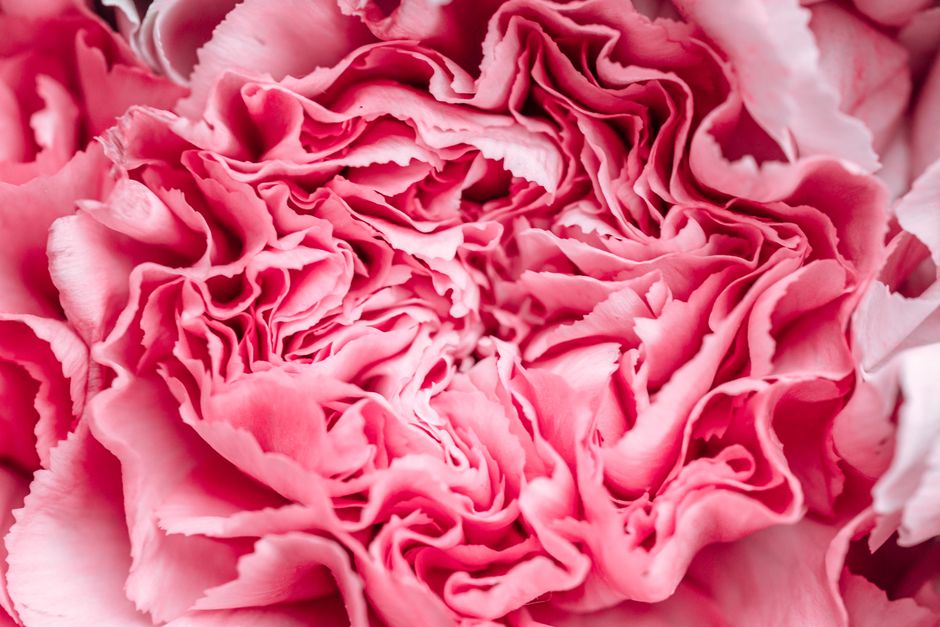
Crenation is the shriveling of a cell into a spiky, scalloped shape when it loses water. It happens most often when a cell sits in a solution with a higher solute concentration than its own interior — a hypertonic solution — so water flows outward through the cell membrane and the cell deflates. The word comes from the Latin for “notched,” and the bumpy outline is the giveaway. Red blood cells, which have no rigid wall, show the effect most clearly.
What Is Crenation In Biology Cell Shrinkage Explained?
Water always moves toward the side with more dissolved particles. That rule is called osmosis, and it governs nearly everything about how cells handle water.
When the fluid outside a cell has a higher concentration of salts, sugars, or other dissolved solutes than the fluid inside, water leaves the cell. The cell shrinks. Because the membrane is flexible and the cell’s interior is packed with proteins and structures that cannot easily compress, the surface buckles into folds. Under a microscope, a crenated red blood cell looks like a small gear or a burr.
The opposite situation matters just as much. In a hypotonic solution — one with fewer dissolved particles than the cell’s interior — water rushes in. Red blood cells can swell until the membrane ruptures, a process called hemolysis. A solution that causes neither shrinking nor swelling is called isotonic, and that is why medical IV fluids are matched to blood.
Crenation is not a disease. It is a physical response to the environment around the cell. The same cell can crenate, then return to normal, if the surrounding fluid changes back.
What Happens Inside A Cell During Crenation?
The membrane is the key structure. It is a double layer of fat molecules with proteins floating in and through it. It bends easily but does not stretch much.
As water exits, the cell’s volume drops. The membrane has more surface area than the shrunken interior needs, so it wrinkles. The spikes form because the membrane is anchored to the internal skeleton of the cell at many points. Those anchors hold parts of the membrane in place while other parts pull inward, and the result is the characteristic bumpy edge rather than a smooth, smaller ball.
The cell also becomes more concentrated inside. Ions and proteins that were dissolved in a certain volume of water are now packed into less water. That shift can affect how enzymes work and how the cell signals. In red blood cells, the shape change alone can make the cells less able to squeeze through narrow capillaries.
Most of this reverses if water flows back in. The membrane unfolds and the cell returns to its normal disc shape. A red blood cell that has crenated is not automatically dead.
What Causes Cells To Crenate?
Any condition that raises the solute concentration outside a cell relative to the inside can trigger it. The list is longer than most people expect.
- Dehydration raises the concentration of salts in blood and other body fluids.
- High blood sugar pulls water out of cells, which is part of why severe hyperglycemia causes problems throughout the body.
- Certain IV fluids that are more concentrated than blood plasma can cause crenation if given in large amounts.
- Chemical exposure in a lab setting, such as placing blood in a strong salt solution, produces crenation quickly and predictably.
- Storage of blood samples can lead to some crenation over time as the sample’s chemistry shifts.
In a laboratory, crenation is often used on purpose. A technician can add a concentrated salt solution to a blood sample and watch the cells change shape under a microscope. It is a simple, visual demonstration of osmosis at work.




How Is Crenation Different From Other Cell Shape Changes?
Crenation is not the only way a cell can change shape, and mixing it up with other terms leads to confusion.
Hemolysis is the opposite problem: the cell takes on too much water and bursts. Crenation is shrinking; hemolysis is swelling and rupture.
Plasmolysis describes the same water loss in plant cells, but the outcome looks different. Plant cells have a rigid wall, so instead of forming spikes, the membrane pulls away from the wall and the cell shrivels inward. The wall stays put.
Echinocytes are red blood cells with a similar spiky appearance, but not all echinocytes are crenated. Some form because of changes in the membrane itself, or because of certain drugs or liver conditions, without a strong shift in the surrounding fluid. A lab professional can usually tell the difference by looking at the pattern of the spikes and the history of the sample.
That distinction matters in clinical settings. Seeing crenated cells on a blood smear can be an artifact of how the slide was prepared rather than a sign of anything happening in the person’s body. Experienced lab staff account for this before reporting it as a finding.
Does Crenation Happen In The Human Body?
Yes, but the body works hard to prevent it from going far. Blood plasma is carefully balanced so that red blood cells stay in an isotonic environment.
When that balance breaks down — as in severe dehydration or uncontrolled diabetes — cells throughout the body can lose water. The effects show up as thirst, dry mouth, confusion, and in serious cases, organ stress. Crenation of individual cells is one piece of that larger picture, not a standalone diagnosis.
The kidneys are the main defense. They adjust how much water and salt they hold onto or release, which keeps the concentration of body fluids within a narrow range. When someone drinks water, the excess is excreted. When someone is dehydrated, the kidneys conserve it.
There is no blood test that specifically measures crenation in a living patient. Doctors look at the underlying cause — the sodium level, the blood sugar, the hydration status — rather than the shape of individual cells.
Why Does Crenation Matter In Medicine And Science?
For most people, crenation is a concept rather than a condition. Its real value is as a clear window into how cells manage water.
Understanding it explains why IV fluids are formulated the way they are. It explains why drinking seawater is dangerous: the salt concentration is high enough that it pulls water out of cells rather than replacing it. It explains why a person with very high blood sugar feels thirsty — the body is signaling that its cells are losing water.
In the lab, crenation is a teaching tool and a quality-control concern. Blood bank technicians watch for it because heavily crenated samples can be harder to type accurately. Researchers use it to study membrane mechanics and how cells respond to stress.
The concept also shows up in food science. Salting meat or fish draws water out of cells through the same process, which is part of why salt preserves food and changes its texture.
What Should You Take Away From This?
Crenation is a physical event, not a disease. It happens when a cell loses water to a more concentrated environment, and the visible result is a shriveled, spiky shape.
The takeaway for everyday health is simple and well established. Staying hydrated keeps the fluid around your cells close to the concentration they need. Managing blood sugar matters for the same reason. And when you see the word crenation in a lab report or a textbook, it describes a shape, not a verdict.
If you have concerns about hydration, blood sugar, or how your body is handling fluids, those are conversations for a clinician who can look at your actual numbers. Crenation itself is not something you need to monitor or treat.
Frequently Asked Questions
What is crenation in simple terms?
Crenation is when a cell shrinks and develops a bumpy, spiky edge because it lost water to its surroundings. It happens when the fluid outside the cell is more concentrated than the fluid inside.
What is the difference between crenation and hemolysis?
Crenation is shrinking from water loss, while hemolysis is swelling and bursting from too much water entering the cell. They are opposite responses to the same process of osmosis.
Can crenation happen in the human body?
It can occur when body fluids become too concentrated, such as during severe dehydration or very high blood sugar. The body normally keeps blood plasma balanced so red blood cells stay in their usual shape.
Is crenation dangerous?
Crenation itself is not dangerous — it is a shape change that can reverse when fluid balance is restored. The underlying cause, such as dehydration or uncontrolled diabetes, is what needs medical attention.
