
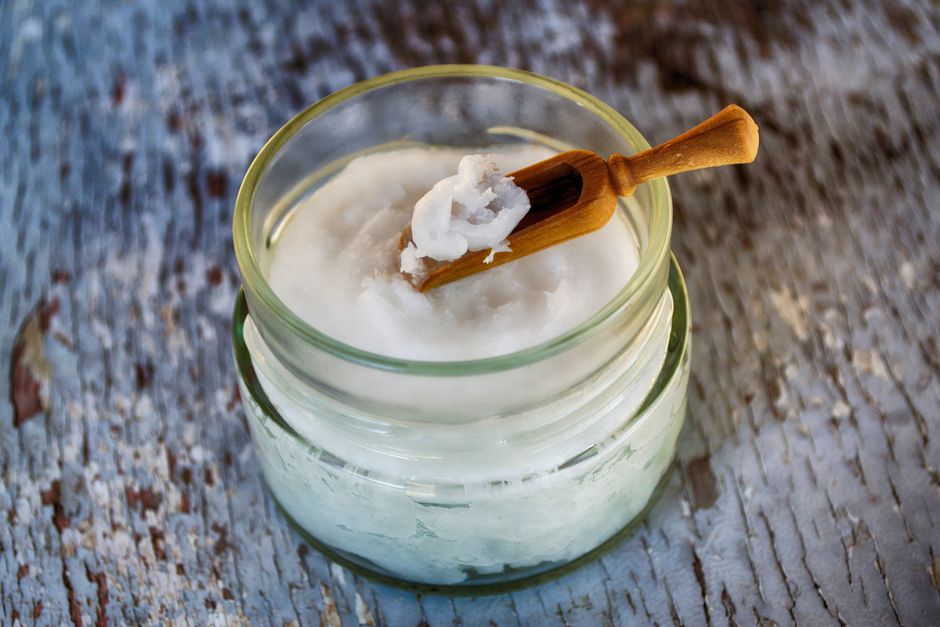
Cream of coconut is a sweet, thick coconut product made from coconut meat, water, and added sugar. It is not the same as coconut cream, coconut milk, or coconut water. The name causes real confusion because “cream of coconut” sounds like it should be the richest, plainest form of coconut — but it is actually a sweetened ingredient, most often used in drinks and desserts.
The clearest way to tell them apart is sugar. Coconut milk and coconut cream are generally unsweetened. Cream of coconut is sweetened by design. That single difference matters if you are watching your sugar intake, counting carbohydrates, or cooking from a recipe that assumes one product and not the other.
What Is Cream Of Coconut?
Cream of coconut is a processed coconut product with sugar added. It is made by blending coconut meat with water to a smooth, pourable consistency, then sweetening it. Many commercial versions also contain thickeners or stabilizers such as guar gum to keep the fat and water from separating.
The texture is thick and syrupy — closer to condensed milk than to milk. The flavor is intensely coconut with clear sweetness. You would not drink it straight the way you might drink coconut water.
Its best-known use is in tropical cocktails and desserts. It is the ingredient that gives a piña colada its creamy body and sweetness. It also appears in coconut rice, curries, smoothies, and baked goods.
One point that trips people up: cream of coconut is a formulated food product, not a naturally occurring part of the coconut. Coconut milk and coconut cream come from pressing coconut meat. Cream of coconut is that base plus sugar and often additives. Reading the label is the only reliable way to know exactly what is in a given brand, because recipes vary.
Cream Of Coconut vs Coconut Cream vs Coconut Milk
These products sit on the same shelf and look similar, but they behave very differently in cooking. Swapping one for another can change a recipe’s sweetness, texture, and liquid balance.
Coconut milk is made from grated coconut meat steeped in water, then strained. It is thin to moderately thick and usually unsweetened. Coconut cream is the richer, thicker layer that rises to the top; it has a higher fat content and is also typically unsweetened. Cream of coconut takes that rich base and adds sugar.
| Product | Added Sugar | Typical Texture | Common Use |
|---|---|---|---|
| Coconut water | None (naturally) | Thin, watery | Drinking, hydration |
| Coconut milk | None in plain versions | Thin to medium | Curries, soups, smoothies |
| Coconut cream | None in plain versions | Thick, rich | Whipping, sauces, desserts |
| Cream of coconut | Yes, by design | Thick, syrupy | Cocktails, desserts, sweet dishes |
The practical takeaway: if a savory recipe calls for coconut milk, do not reach for cream of coconut. The added sugar will push the dish in a dessert direction. If a cocktail recipe calls for cream of coconut, plain coconut cream will not deliver the same sweetness — you would need to add sugar yourself.
How Much Sugar and Fat Does Cream Of Coconut Have?
Cream of coconut is high in both sugar and saturated fat. Exact amounts vary widely by brand, so the nutrition facts panel is the only accurate source for a specific product.
What is consistent across brands is the pattern. A serving delivers a meaningful dose of added sugar and a substantial share of calories from coconut fat. Coconut fat is largely saturated fat. That does not make it automatically harmful, but it does mean cream of coconut is a concentrated source of calories and saturated fat, not a light ingredient.
Because formulas differ, comparing two cans can show noticeably different sugar and fat numbers. A brand marketed for cocktails may be sweeter than one sold for baking. There is no single standard recipe, so there is no single standard nutrition profile.
For anyone managing blood sugar, counting carbohydrates, or following a heart-healthy eating pattern, portion size matters. A little goes a long way in flavor terms, which helps — the product is used in small amounts more often than large ones.





Is Cream Of Coconut Healthy?
Cream of coconut is a treat ingredient, not a health food. That is the honest framing. It is not dangerous, and it is not a wellness product. It is a sweetened, high-fat ingredient best enjoyed in moderation as part of a dessert or an occasional drink.
Some marketing leans on coconut’s reputation as a “healthier” fat. Be cautious there. Coconut oil and coconut fat are high in saturated fat, and major health organizations generally advise limiting saturated fat intake. Coconut products are not a free pass around that guidance.
There is also a persistent claim that coconut products are uniquely good for metabolism or weight loss. No strong clinical evidence supports cream of coconut as a weight-loss or health-promoting food. It is sugar plus fat — pleasant, but not therapeutic.
A non-obvious point worth knowing: the fat in coconut products does not behave like some other plant fats. It is more saturated than olive oil or avocado oil. People sometimes assume all plant fats are interchangeable. They are not, and coconut fat is the outlier.
None of this means you should avoid it entirely. It means treat it like what it is — a sweet indulgence — rather than a daily staple or a health supplement.
Who Should Be Careful With Cream Of Coconut?
People watching their blood sugar or managing diabetes should pay attention to the added sugar. Cream of coconut is sweetened, and a cocktail or dessert made with it can carry a lot of sugar in a single serving.
Anyone advised to limit saturated fat — for example, some people with certain heart or cholesterol concerns — should account for it. The saturated fat content is real, and it adds up quickly in recipes that use more than a splash.
People with a coconut allergy should avoid it, as with any coconut product. Coconut allergy is uncommon but documented. Anyone with a known allergy to coconut should treat cream of coconut the same as other coconut foods.
Portion awareness matters most for everyone else. The product is concentrated, so measuring rather than free-pouring keeps the sugar and fat in check without giving up the flavor.
How Do You Store and Use Cream Of Coconut?
Store an opened can of cream of coconut in the refrigerator and use it within the time frame on the label. Because it contains sugar and fat, it can spoil, and refrigeration slows that. Check the package for specific storage guidance, since it varies by product.
Separation is normal. The fat and liquid in cream of coconut often split in the can, especially in cool storage. Stir or shake well before measuring — the same way you would handle natural peanut butter. This is not a sign the product has gone bad.
In the kitchen, it works best where sweetness belongs. It shines in:
- Tropical cocktails and mocktails
- Coconut rice and sweet sauces
- Desserts, puddings, and baked goods
- Smoothies and sweetened coffee drinks
For savory dishes, plain coconut milk or coconut cream is usually the better choice. If you only have cream of coconut on hand, use less and adjust the recipe’s added sugar, because the sweetness is already built in.
If you want the richness without the sugar, plain coconut cream is the swap — but you will need to sweeten it yourself if the recipe expects cream of coconut. The two are not interchangeable one-for-one.
Frequently Asked Questions
Is cream of coconut the same as coconut cream?
No. Cream of coconut is sweetened, while plain coconut cream is generally unsweetened and thicker in fat content. They are different products and are not interchangeable in recipes without adjustment.
Can I substitute coconut milk for cream of coconut?
Not directly. Coconut milk is thinner and unsweetened, so a swap changes both texture and sweetness. If you substitute, expect to add sweetener and possibly a thickener.
Is cream of coconut dairy-free?
Yes, it is made from coconut and contains no milk. Check the label on specific brands, since some flavored or blended products may include other ingredients.
Does cream of coconut have a lot of sugar?
Yes. It is sweetened by design, though exact amounts vary by brand. Check the nutrition facts panel for the specific product you are using.
