

Doctors use specific blood sugar numbers to diagnose high blood sugar, also called hyperglycemia. A fasting blood sugar of 126 mg/dL or higher is considered diabetes. A random blood sugar of 200 mg/dL or higher also points to diabetes. These numbers come from standard clinical guidelines and are consistent across major medical organizations.
What Blood Sugar Number Is Considered High?
A blood sugar reading is considered high when it reaches certain diagnostic thresholds. For a fasting test (no food for at least 8 hours), a level of 126 mg/dL or higher means diabetes. If you take a blood sugar test at any time of day without fasting, a reading of 200 mg/dL or higher also indicates diabetes.
There is also a range between normal and diabetic called prediabetes. A fasting level between 100 and 125 mg/dL falls in this category. These numbers matter because they guide treatment decisions. A single high reading does not always mean you have diabetes, but it is a signal to talk with your doctor.
Normal Blood Sugar Levels by Test Type
Blood sugar is measured in different ways, and each test has its own reference ranges. Understanding these ranges helps you interpret your own results.
| Test Type | Normal Range | Prediabetes Range | Diabetes Range |
|---|---|---|---|
| Fasting plasma glucose | 70–99 mg/dL | 100–125 mg/dL | 126 mg/dL or higher |
| Oral glucose tolerance test (2-hour) | Less than 140 mg/dL | 140–199 mg/dL | 200 mg/dL or higher |
| Random (non-fasting) glucose | Less than 140 mg/dL | Not typically used | 200 mg/dL or higher with symptoms |
| Hemoglobin A1c | Below 5.7% | 5.7%–6.4% | 6.5% or higher |
The A1c test measures your average blood sugar over the past 2 to 3 months. It does not require fasting. Doctors often use it to confirm a diabetes diagnosis or to monitor how well treatment is working.
What Causes Blood Sugar to Rise?
Glucose comes from the food you eat, mainly carbohydrates. Your body breaks down carbs into glucose, which enters your bloodstream. The hormone insulin then helps move glucose from your blood into your cells for energy.
When this system works normally, blood sugar stays in a healthy range. Several things can disrupt it:
- Insulin resistance — cells stop responding to insulin properly
- Insufficient insulin production — the pancreas does not make enough
- Stress hormones — cortisol and adrenaline can raise blood sugar
- Illness or infection — the body releases glucose to fight stress
- Certain medications — including steroids and some diuretics
Type 2 diabetes develops gradually. Insulin resistance builds over years before blood sugar reaches diagnostic levels. This is why prediabetes is an important warning sign — it gives you time to act before diabetes develops.




How a High Blood Sugar Diagnosis Is Made
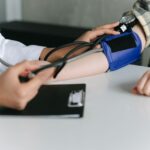
Doctors do not diagnose diabetes from a single test alone in most cases. The exception is when you have clear symptoms of high blood sugar plus a random glucose of 200 mg/dL or higher. These symptoms include increased thirst, frequent urination, and unexplained weight loss.
Without symptoms, doctors confirm the diagnosis with two abnormal test results. These can be two different tests or the same test repeated on two separate days. For example, two fasting readings of 126 mg/dL or higher confirm diabetes. One fasting reading of 130 mg/dL and an A1c of 6.5% also confirms it.
This two-test approach reduces the risk of a false diagnosis. Temporary spikes can happen from stress, illness, or eating before a fasting test. Confirming with a second test protects you from unnecessary treatment.
What Is Considered Dangerously High?
Blood sugar above 250 mg/dL is considered very high and requires attention. Levels above 600 mg/dL can lead to a serious condition called hyperosmolar hyperglycemic state (HHS). This is a medical emergency that causes severe dehydration and can lead to coma.
Diabetic ketoacidosis (DKA) is another emergency condition, though it is more common in type 1 diabetes. It can happen at blood sugar levels above 250 mg/dL when the body breaks down fat for energy instead of glucose. This produces ketones, which make the blood acidic.
Warning signs of dangerously high blood sugar include:
- Extreme thirst and dry mouth
- Frequent urination
- Nausea or vomiting
- Confusion or drowsiness
- Fruity-smelling breath
- Rapid breathing
Seek emergency care if you experience these symptoms alongside high blood sugar. Do not wait to see if they improve on their own.
How Often Should You Check Your Blood Sugar?
How often you test depends on your situation. People with diabetes may check several times daily, especially if they take insulin. Those managing prediabetes might test less frequently or rely on periodic lab tests instead.
For people without diabetes, routine blood sugar screening typically starts at age 35. The American Diabetes Association recommends screening earlier if you have risk factors like obesity, a family history of diabetes, or high blood pressure. Your doctor can advise on the right testing schedule for your individual risk profile.
Home glucose monitors are widely available and easy to use. They measure capillary blood from a finger prick. These devices are useful for tracking daily patterns but should not replace lab tests for diagnosis. Lab tests are more precise and use standardized reference ranges.
Can High Blood Sugar Be Reversed?
For people with prediabetes, blood sugar can often return to normal with lifestyle changes. Research consistently shows that losing 5% to 7% of body weight, increasing physical activity, and improving diet can prevent or delay progression to type 2 diabetes. This was demonstrated in major clinical trials including the Diabetes Prevention Program.
For people with type 2 diabetes, remission is possible but less common. Some studies show that significant weight loss — often 15% or more of body weight — can put diabetes into remission. This means blood sugar returns to normal without medication. However, remission is not permanent for everyone, and diabetes can return if weight is regained.
Medications like metformin help lower blood sugar but do not cure diabetes. They manage the condition. Insulin therapy is necessary for type 1 diabetes because the body cannot produce insulin at all. Type 1 diabetes cannot be reversed with lifestyle changes.
Lifestyle Changes That Lower Blood Sugar
Physical activity has a direct effect on blood sugar. Muscles use glucose for energy during exercise, which pulls sugar out of the bloodstream. The effect can last for hours after you finish exercising. Both aerobic exercise and resistance training improve blood sugar control.
Dietary changes also matter. Reducing refined carbohydrates like white bread, sugary drinks, and pastries helps prevent blood sugar spikes. Fiber-rich foods like vegetables, beans, and whole grains slow glucose absorption. Protein and healthy fats also help stabilize blood sugar after meals.
Sleep and stress management affect blood sugar too. Poor sleep increases insulin resistance. Chronic stress raises cortisol, which signals the liver to release more glucose. Addressing these factors is part of comprehensive blood sugar management.
When to See a Doctor
Talk to your doctor if you have risk factors for diabetes or symptoms of high blood sugar. Risk factors include being over 35, having a parent or sibling with diabetes, being overweight, or having a sedentary lifestyle. Symptoms like frequent urination, excessive thirst, blurred vision, or slow-healing wounds warrant a check-up.
Your doctor can order the appropriate tests and interpret the results. If you already have a diabetes diagnosis, regular follow-up is essential. Diabetes affects blood vessels, nerves, eyes, and kidneys over time. Early detection and management reduce the risk of these complications.
Frequently Asked Questions
What is a dangerous blood sugar level?
Blood sugar above 250 mg/dL is considered very high and requires attention. Levels above 600 mg/dL can cause a medical emergency called hyperosmolar hyperglycemic state.
Is 200 blood sugar normal after eating?
No, a blood sugar of 200 mg/dL after eating is high. A 2-hour post-meal reading of 200 mg/dL or higher meets the diagnostic threshold for diabetes.
Can drinking water lower blood sugar quickly?
Water helps your kidneys flush excess glucose through urine, which can modestly lower blood sugar. It does not treat the underlying cause and is not a substitute for medical treatment.
What is a normal blood sugar level for a woman over 50?
Normal fasting blood sugar is 70–99 mg/dL regardless of age or sex. A fasting level of 126 mg/dL or higher indicates diabetes for anyone.
