
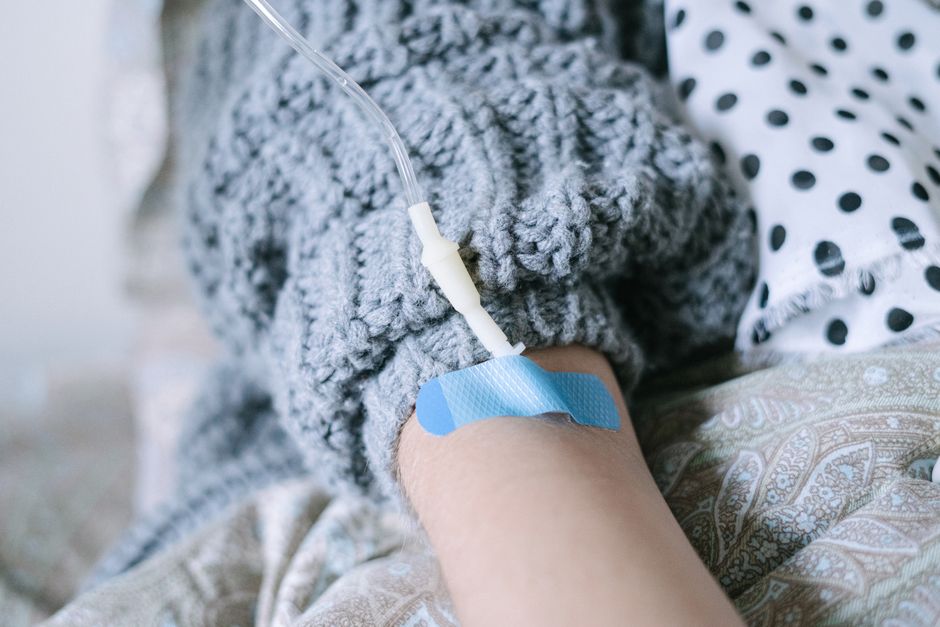
A PICC line is a type of central line. The full name is peripherally inserted central catheter. It starts in a vein in the arm but the tip ends in a large vein near the heart. That final position is what makes it a central line, not where the tube enters the body.
What Exactly Is a Central Line?
A central line is any catheter whose tip rests in a large central vein. These veins include the superior vena cava, which carries blood from the upper body directly into the heart. The tip position matters more than where the tube enters the skin.
Central lines are used when patients need long-term intravenous treatment. They can deliver medications, fluids, nutrition, or blood products. They also allow blood draws without repeated needle sticks.
There are several types of central lines. The most common are:
- PICC lines, inserted through a vein in the arm
- Central venous catheters, inserted into the chest or neck
- Tunneled catheters, which pass under the skin before entering a vein
- Implanted ports, placed completely under the skin
All of these share one feature: the tip sits in a large central vein near the heart.
How a PICC Line Differs From Other Central Lines
The main difference is the insertion site. A PICC line goes in through a vein in the upper arm. The catheter is then threaded through progressively larger veins until the tip reaches the superior vena cava.
Other central lines enter directly through a large vein in the neck, chest, or groin. The insertion site is closer to the heart, so the catheter is shorter.
PICC lines are typically placed by specially trained nurses. Other central lines are usually placed by doctors. The placement procedure for a PICC line often takes less time and carries fewer immediate risks.
PICC lines are generally used for weeks to months of treatment. Other central lines may be used for shorter hospital stays or for longer-term needs depending on the type.
Why the Tip Position Matters
The tip of a PICC line must reach the central circulation for a few reasons. Medications delivered into a large vein dilute quickly in fast-flowing blood. This reduces irritation to the vein wall.
Some medications and IV nutrition solutions are too concentrated for smaller veins. They can damage peripheral veins over time. Delivering them into a central vein with high blood flow protects the vessel.
The tip position also affects how the line functions. A properly placed tip allows reliable blood draws and accurate pressure readings. A tip that sits too shallow may not function well and carries a higher risk of complications.
Doctors confirm the tip position with an X-ray after placement. This is standard practice before the line is used.





What Conditions Require a PICC Line
PICC lines are common in several situations. Patients receiving intravenous antibiotics for weeks may need one. This includes infections like osteomyelitis or endocarditis that require prolonged treatment.
Cancer patients often need PICC lines for chemotherapy. Many chemotherapy drugs are vesicants, meaning they can damage tissue if they leak out of the vein. A central line reduces this risk.
Patients who need total parenteral nutrition, or IV feeding, frequently receive PICC lines. The concentrated nutrition solution requires delivery into a large vein.
People with difficult peripheral access may also benefit. If veins in the arms collapse or are hard to find, a PICC line provides reliable access for blood draws and medications.
Risks and Complications of PICC Lines
PICC lines are generally safe, but they carry real risks. The most common complication is blood clot formation. A clot can form in the arm vein where the catheter sits.
Infection is another significant risk. The catheter provides a direct pathway into the bloodstream. Bacteria can enter at the insertion site or through the catheter hub. Central line infections are serious and can lead to sepsis.
Other possible complications include:
- Catheter blockage from clots or medication residue
- Catheter migration, where the tip moves from its correct position
- Catheter breakage
- Air embolism, though this is rare
The risk of infection increases the longer the line stays in place. Healthcare teams follow strict protocols for dressing changes and line care to minimize this risk.
Compared to other central lines, PICC lines have a lower risk of certain complications like pneumothorax, a collapsed lung. This is because the insertion site in the arm is far from the chest cavity. However, PICC lines may carry a higher risk of blood clots in the arm veins compared to some other central line types.
How PICC Lines Are Placed
The procedure is usually done at the bedside or in an outpatient setting. The patient lies flat with the arm extended. Ultrasound is used to find a suitable vein in the upper arm.
The skin is cleaned with antiseptic and numbed with local anesthesia. A needle is inserted into the vein, and a guidewire is passed through it. The catheter is then threaded over the wire into position.
The entire procedure typically takes 30 to 60 minutes. No general anesthesia is needed. Most patients feel only the initial numbing injection.
After placement, an X-ray confirms the tip is in the correct position. The catheter is secured with a dressing, and the site is checked regularly.
Comparing PICC Lines to Other Central Lines
Understanding the differences helps clarify why a doctor might choose one type over another.
| Feature | PICC Line | Chest Central Line | Tunneled Catheter | Implanted Port |
|---|---|---|---|---|
| Insertion site | Upper arm | Neck or chest | Chest | Chest |
| Typical duration | Weeks to months | Days to weeks | Months to years | Months to years |
| Placement | Bedside by trained nurse | Bedside or procedure room by doctor | Procedure room by doctor | Procedure room by doctor |
| Visible outside body | Yes | Yes | Yes | No |
| Risk of collapsed lung | Very low | Present | Present | Present |
Each type has advantages and disadvantages. The choice depends on how long treatment will last, the specific medications needed, and the patient’s overall condition.
Daily Life With a PICC Line
Living with a PICC line requires some adjustments. The insertion site must stay dry. Showering requires a waterproof cover. Swimming is not allowed.
Heavy lifting with the affected arm is restricted. The arm should be kept straight during dressing changes to prevent the catheter from moving.
The dressing is typically changed once a week by a home health nurse or trained caregiver. The line must be flushed regularly to keep it clear.
Patients should watch for signs of infection. Redness, warmth, swelling, or drainage at the site warrants immediate medical attention. Fever or chills can also indicate a line infection.
Most people can continue normal daily activities with a PICC line. Work, school, and light exercise are generally fine. The line does not restrict movement of the rest of the body.
When a PICC Line Is Removed
Removal is a simple procedure. It is done when treatment is complete or when the line is no longer needed. A healthcare provider gently pulls the catheter out while the patient holds pressure on the site.
The procedure takes only a few minutes. No anesthesia is needed. The site is covered with a small dressing for a day or two.
After removal, the vein heals on its own. Some patients have a small scar at the insertion site. The vein itself typically recovers fully.
Frequently Asked Questions
Is a PICC line considered a central line?
Yes. A PICC line is a central line because its tip rests in the superior vena cava near the heart. The insertion site in the arm does not change this classification.
What is the difference between a PICC line and a central line?
The difference is the insertion site, not the tip position. A PICC line enters through a vein in the arm, while other central lines enter through veins in the neck, chest, or groin. Both have tips in large central veins.
How long can a PICC line stay in?
PICC lines can remain in place for weeks to months. Some stay for up to a year, though this is less common. The exact duration depends on the treatment plan and whether any complications develop.
Is getting a PICC line painful?
Most people feel only mild discomfort during placement. The area is numbed with local anesthesia before the needle is inserted. After placement, some soreness at the site is normal for a day or two.
