
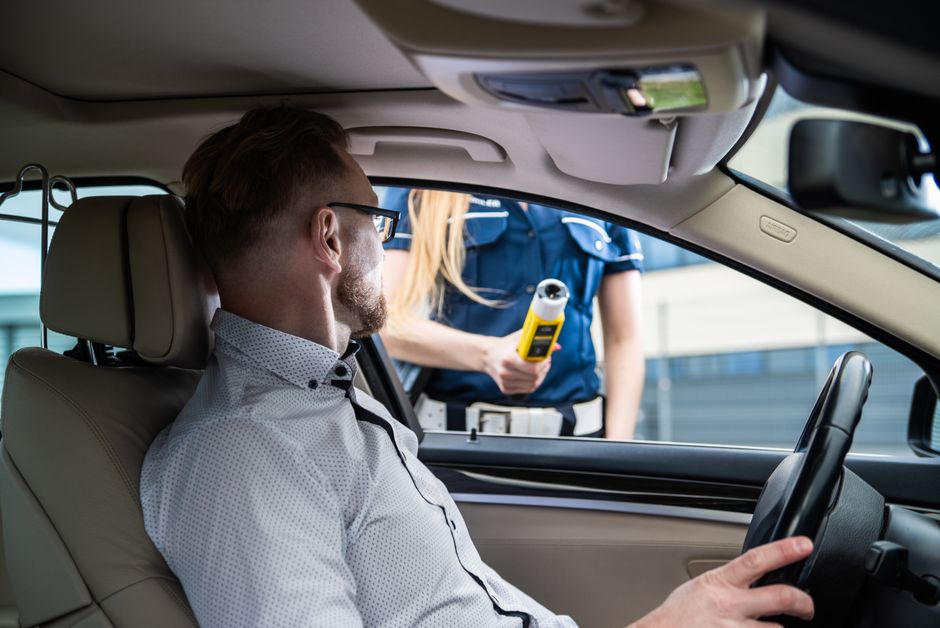
A breathalyzer reading of 0.08% blood alcohol concentration (BAC) is the legal limit for drivers in all 50 states. Readings at or above this level are considered high enough to warrant a DUI charge. However, law enforcement and medical professionals view readings of 0.15% and above as particularly high, often leading to harsher penalties and a greater risk of serious impairment.
What Is Considered A High Breathalyzer Reading?
A breathalyzer measures the amount of alcohol in your breath and converts it to an estimated blood alcohol concentration. In the United States, 0.08% is the legal threshold for driving. A reading between 0.08% and 0.14% is above the legal limit but is often treated as a standard DUI.
Readings of 0.15% and higher are considered high in most legal contexts. Many states impose enhanced penalties at this level, including longer license suspensions, mandatory ignition interlock devices, and higher fines. Some states use 0.16% or 0.20% as their threshold for aggravated penalties, so the exact cutoff varies by jurisdiction.
From a medical standpoint, impairment is significant well before 0.08%. Reaction time slows measurably at 0.05%. Judgment and coordination continue to decline as BAC rises, and the risk of a fatal crash increases substantially at every level above 0.05%.
How Breathalyzer Readings Are Measured
Breathalyzers estimate BAC by analyzing alcohol molecules in the air you exhale from deep in your lungs. The device uses a ratio of breath alcohol to blood alcohol. This ratio is approximately 2,100 to 1, meaning 2,100 milliliters of breath contains roughly the same amount of alcohol as 1 milliliter of blood.
This ratio is an average, not a constant. Individual differences in lung temperature, breathing patterns, and body composition can affect the accuracy of the reading. Because of this, breathalyzer results are not perfectly precise measurements of blood alcohol. They are estimates that are generally accepted as reliable enough for legal purposes when the device is properly calibrated.
Blood tests are more accurate than breath tests. If a breathalyzer reading is challenged in court, a blood test may be requested to confirm the result. Most jurisdictions allow both types of evidence in DUI proceedings.
What Factors Influence a Breathalyzer Reading
Several factors determine how high your BAC will be after drinking. The most important are the number of drinks consumed, the time over which they were consumed, your body weight, and your sex.
Alcohol distributes into body water. People with more body water can dilute alcohol more effectively. Since men typically have a higher percentage of body water than women of the same weight, a woman will generally reach a higher BAC than a man after drinking the same amount.
Food in your stomach slows alcohol absorption. Drinking on an empty stomach leads to a faster rise in BAC and a higher peak reading. However, food does not prevent intoxication. It only delays and reduces the peak level.
Medications can also affect breathalyzer readings. Some prescription drugs contain alcohol or interfere with the body’s ability to process alcohol. Certain medical conditions, including acid reflux and diabetes, can produce false positives on breath tests because they cause alcohol-like compounds to be present in the breath.





Understanding BAC Levels and Impairment
Impairment begins at levels far below the legal limit. At 0.02% BAC, most people experience a slight loss of judgment and difficulty tracking moving objects. At 0.05%, coordination and response time decline, and the ability to steer accurately is reduced.
At 0.08%, the legal limit, most people have clear deficits in muscle coordination, judgment, and reaction time. Vision is affected, and the ability to process information quickly is diminished. This is why 0.08% is the legal threshold — it is the point at which impairment becomes demonstrably dangerous for driving.
At 0.15%, the high range, impairment is severe. Most people have significant difficulty controlling their vehicle, maintaining lane position, and responding to hazards. Vomiting may occur. Memory blackouts become more likely. At 0.20% and above, confusion, stupor, and loss of consciousness are possible.
The relationship between BAC and impairment is not identical for everyone. Regular heavy drinkers may develop tolerance and show fewer visible signs of intoxication at the same BAC. However, tolerance does not reduce the actual impairment of driving skills. A person with high tolerance can still be dangerously impaired at 0.15% even if they appear to function normally.
Legal Consequences of High Breathalyzer Readings
The legal consequences of a high reading depend on the state where the offense occurs. Most states have enhanced penalties for readings of 0.15% or 0.16% and above. These are often labeled as “aggravated DUI” or “extreme DUI” charges.
Enhanced penalties typically include:
- Higher fines than a standard DUI
- Longer license suspension periods
- Mandatory ignition interlock device installation
- Required alcohol treatment programs
- Possible jail time
Some states impose additional penalties at 0.20% or higher. These can include mandatory minimum jail sentences and vehicle forfeiture. A first offense with a reading above 0.20% may be treated as seriously as a repeat offense.
Commercial drivers face stricter standards. The legal limit for commercial vehicle operators is 0.04%. Drivers under the age of 21 are subject to zero-tolerance laws in most states, with legal limits set at 0.02% or lower.
How Breathalyzer Readings Decline Over Time
The body eliminates alcohol at a relatively steady rate. On average, BAC drops by about 0.015% per hour. This means it takes roughly two hours for a person with a BAC of 0.08% to reach zero.
This rate is an average. Individual metabolism varies, and the elimination rate can range from about 0.01% to 0.02% per hour. No food, drink, or activity can speed this process. Coffee, cold showers, and exercise do not lower BAC. They only make a person more awake while still impaired.
If you receive a high breathalyzer reading, the only way to reduce your BAC is to wait. A person with a reading of 0.15% would need approximately ten hours to reach a zero BAC. This is why “sleep it off” is not always reliable advice — a person who drinks heavily late into the night may still be over the legal limit the next morning.
What to Do If You Receive a High Reading
If you are pulled over and receive a high breathalyzer reading, the most important step is to cooperate with law enforcement while protecting your legal rights. You are generally required to submit to a breath test if you are lawfully arrested for DUI under implied consent laws in most states. Refusing the test can result in automatic license suspension and other penalties.
After the arrest, you have the right to consult with an attorney. DUI laws are complex and vary by state. An attorney who handles DUI cases can explain the specific consequences you face and identify potential defenses, such as improper calibration of the breathalyzer or procedural errors during the stop.
From a health perspective, a high reading is a sign that your drinking pattern may be risky. Repeated high readings are a strong indicator of alcohol misuse. If you find yourself regularly drinking to levels that produce BACs of 0.15% or higher, it is worth discussing your drinking with a healthcare provider. They can assess whether you meet criteria for an alcohol use disorder and discuss treatment options if needed.
Frequently Asked Questions
What is the legal breathalyzer limit in the United States?
The legal BAC limit for drivers aged 21 and over is 0.08% in all 50 states. Commercial drivers have a limit of 0.04%, and drivers under 21 are subject to zero-tolerance laws.
Is 0.15 a high breathalyzer reading?
Yes, 0.15% is considered a high reading in most states. Many jurisdictions impose enhanced penalties for readings at or above 0.15%, including higher fines and longer license suspensions.
How long does it take for a high breathalyzer reading to return to zero?
The body eliminates alcohol at an average rate of about 0.015% per hour. A reading of 0.15% would take approximately ten hours to reach zero, though individual metabolism varies.
Can mouthwash affect a breathalyzer reading?
Yes, mouthwash and other products containing alcohol can produce a false high reading if used shortly before the test. This effect typically fades within 15 minutes as the alcohol evaporates from the mouth.
