
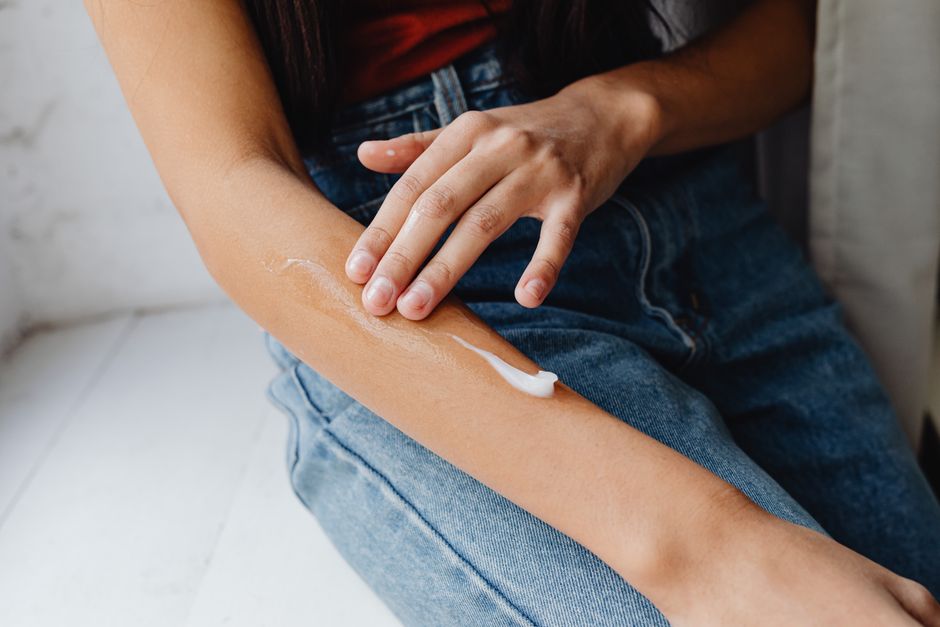
Cicaplast Baume B5 is a multi-purpose skin repair balm made by La Roche-Posay. It is designed to soothe, repair, and protect damaged or irritated skin. The science behind it relies on a blend of established ingredients: madecassoside from centella asiatica, panthenol (vitamin B5), shea butter, zinc gluconate, and copper and manganese salts. Research has shown that these ingredients can support wound healing, reduce inflammation, and restore the skin barrier. This article explains what Cicaplast is good for, which skin types benefit most, and what the evidence actually says.
What is Cicaplast Baume B5?
Cicaplast Baume B5 is a thick, rich balm marketed as a “repairing and protecting” product. It was originally developed for post-procedure skin, but is now widely used for many types of skin damage. The formula is fragrance-free and non-comedogenic, meaning it should not clog pores. It contains several active ingredients with documented skin benefits:
- Madecassoside – a purified extract of centella asiatica. Studies have shown it can stimulate collagen production and reduce inflammation, which supports wound healing.
- Panthenol (pro-vitamin B5) – acts as a humectant, drawing moisture into the skin, and has anti-inflammatory properties.
- Shea butter – provides occlusive moisturization and helps restore the lipid barrier.
- Zinc gluconate – has mild antimicrobial and anti-inflammatory effects.
- Copper and manganese salts – trace minerals that play a role in skin repair processes.
The combination is designed to create a protective barrier while delivering ingredients that support healing.
What is Cicaplast used for?
Cicaplast is most commonly used for situations where the skin barrier is compromised. This includes:
- Post-procedure skin – after laser treatments, chemical peels, microneedling, or minor dermatologic surgery. Many dermatologists recommend it because it is gentle, non-irritating, and provides a protective layer.
- Dry, cracked, or chapped skin – especially on hands, elbows, knees, and heels. The thick texture helps seal in moisture.
- Minor cuts, scrapes, and burns – the product can be applied to superficial wounds to support healing, though it is not a substitute for first aid antiseptics. Some research suggests centella asiatica can speed wound closure.
- Diaper rash – many parents use it on babies. The zinc content helps soothe irritation and protect the skin.
- Eczema or dermatitis flare-ups – it can calm inflamed, itchy patches, though it is not a prescription treatment.
- Chafed or rubbed skin – from friction or tight clothing.
Importantly, Cicaplast is not a steroid or an antibiotic. It is a supportive balm, not a cure for infections or chronic skin diseases.
What skin types does Cicaplast work best for?
Cicaplast is formulated for dry, sensitive, or irritated skin. People with normal or oily skin may find it too heavy for daily face use, but it can still be used as a spot treatment on problem areas. The product is non-comedogenic, meaning it should not cause acne, but some individuals with very oily or acne-prone skin may still experience breakouts. If you have oily skin, it is best to use it only on dry patches or areas of irritation, not all over the face.
For people with compromised skin barriers—such as those with eczema, rosacea, or post-procedure skin—Cicaplast is often well tolerated. It contains no common irritants like fragrance, alcohol, or essential oils. However, everyone’s skin is different. If you have a known allergy to any ingredient, patch test on a small area first.





What does the science say about Cicaplast ingredients?
The most studied ingredient in Cicaplast is madecassoside, a triterpenoid compound purified from Centella asiatica. Multiple studies have found that madecassoside can reduce inflammation, promote collagen synthesis, and accelerate wound healing in animal and human models. A 2015 review in the Journal of Wound Care noted that centella asiatica extracts improved wound closure and tissue regeneration. A 2018 clinical trial published in the Journal of the European Academy of Dermatology and Venereology found that a cream containing madecassoside and panthenol significantly improved post-laser recovery compared to a control cream.
Panthenol (vitamin B5) also has evidence. It penetrates the skin and converts to pantothenic acid, which is a component of coenzyme A—important for cell metabolism and repair. Studies show panthenol can improve skin hydration, reduce redness, and speed wound healing.
Zinc gluconate has mild antimicrobial activity and can reduce inflammation. Copper and manganese are trace elements that serve as cofactors for enzymes involved in collagen synthesis and antioxidant defense. The evidence for these specific salts in topical formulations is less robust, but their roles in wound healing are biologically plausible.
Overall, the ingredient list is supported by a reasonable body of science, though the exact combination in Cicaplast has not been tested in large independent trials. Most of the evidence comes from studies on individual ingredients or similar formulations.
How does Cicaplast compare to other moisturizers?
Cicaplast is not a standard daily moisturizer. Most moisturizers focus on hydration (humectants like glycerin) and occlusion (oils or petroleum). Cicaplast does those things too, but it adds active repair ingredients. Compared to petroleum jelly (Vaseline), which is purely occlusive, Cicaplast offers anti-inflammatory and wound-healing properties. Compared to a basic moisturizing cream like Cetaphil or CeraVe, Cicaplast is richer and more focused on damaged skin.
If your skin is healthy and only needs maintenance, a simpler moisturizer may be sufficient. If you have active irritation, cracks, or have recently had a procedure, Cicaplast is a good choice. There is no strong evidence that it is superior to other centella-based balms, but it has a long track record of use and a well-thought-out formulation.
Can you use Cicaplast on your face?
Yes, many people use Cicaplast on their face, especially for localized dry patches, redness, or after treatments. Because it is thick, it may feel heavy under makeup. For people with oily or acne-prone skin, it can sometimes cause congestion. A better approach for facial use is to apply a thin layer only where needed, not all over. If you have rosacea or sensitive skin, Cicaplast can be soothing, but it is not a treatment for the underlying condition.
There is no evidence that Cicaplast is harmful on the face. It has been tested for cosmetic use and is classified as a cosmetic product in the US and Europe. Always follow the directions on the package.
Frequently Asked Questions
Can I use Cicaplast on broken skin?
Yes, Cicaplast can be applied to minor cuts, scrapes, and post-procedure wounds after cleansing. Do not use it on deep, infected, or actively bleeding wounds without medical advice.
Does Cicaplast help with acne?
It is not formulated for acne treatment, but it may soothe irritation from acne products or dry patches. It does not contain anti-acne ingredients like salicylic acid or benzoyl peroxide.
How often should I apply Cicaplast?
Apply as needed, typically one to three times daily on clean, dry skin. For post-procedure care, follow your dermatologist’s instructions.
Is Cicaplast safe for babies?
Many parents use Cicaplast for diaper rash and dry skin in babies. It contains no known harmful ingredients for infants, but always do a patch test and consult a pediatrician for persistent rashes.
