
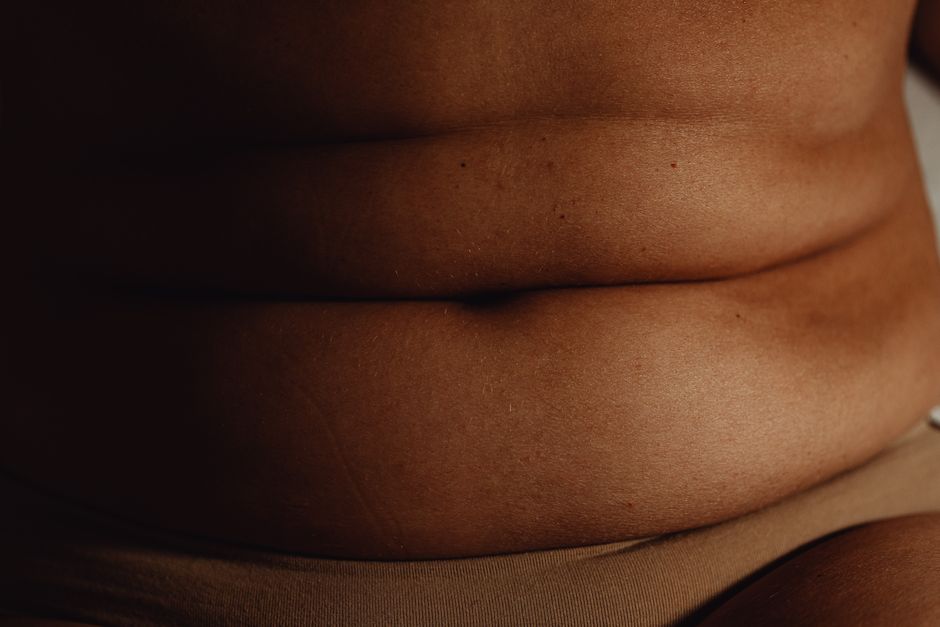
Yes, your skin is the largest organ in your body. By weight and surface area, nothing else comes close. An average adult’s skin weighs about 8 to 10 pounds and covers roughly 20 square feet. That is bigger than your liver, your lungs, or your brain. But size alone does not tell the full story. Your skin is also a complex, living system that protects you, senses the world, and keeps your insides working properly. Understanding what science actually says about the skin as an organ helps separate real health facts from the myths that spread online.
What Exactly Makes the Skin an Organ?
An organ is a group of tissues that work together to perform a specific job. The heart pumps blood. The lungs exchange oxygen. The skin protects your body from the outside world. It fits the definition perfectly.
The skin is made of three main layers. The epidermis is the outer layer you see and touch. It creates new skin cells and contains melanin, which gives skin its color. Below that is the dermis, a thicker layer filled with blood vessels, nerve endings, hair follicles, and sweat glands. The deepest layer is the hypodermis, also called subcutaneous tissue. It stores fat and connects the skin to muscles and bones.
Each layer has its own job. Together they form a working system that is alive and constantly changing. That is what makes the skin an organ, not just a covering.
Is Skin The Largest Organ What Science Says About Its Size?
Science is clear on this. The skin is the largest organ in the human body. The numbers come from standard medical textbooks and research published by organizations like the American Academy of Dermatology.
For an average adult male, skin covers about 1.8 square meters (19.4 square feet). For an average adult female, it is about 1.6 square meters (17.2 square feet). The weight ranges from 3.6 to 4.5 kilograms (8 to 10 pounds). That is roughly 15 percent of your total body weight.
To put it in perspective, your liver weighs about 3 pounds. Your brain is about 3 pounds. Your heart is less than 1 pound. The skin is more than double the weight of any other single organ. It is not even close.
What Does the Skin Actually Do as an Organ?
The skin does far more than just cover your body. It is a barrier, a sensor, and a regulator all in one.
Its primary job is protection. The skin blocks bacteria, viruses, and dirt from getting inside. It also prevents water loss. Without the skin, your body would dry out quickly. The epidermis contains a protein called keratin that makes it tough and waterproof.
The skin also helps control body temperature. When you get hot, sweat glands release moisture. As sweat evaporates, it cools you down. Blood vessels in the dermis widen to release heat or narrow to keep warmth in. This system works without you thinking about it.
Another major role is sensation. The skin is packed with nerve endings that detect touch, pressure, pain, and temperature. This is how you feel a gentle breeze or know when something is too hot to hold. The skin gives your brain constant information about the environment around you.
The skin also produces vitamin D when exposed to sunlight. Vitamin D is essential for bone health and immune function. The process starts in the epidermis and then continues in the liver and kidneys.
Finally, the skin is part of your immune system. Special cells in the skin called Langerhans cells detect foreign invaders and alert the body to fight them off. This is why a small cut can become red and swollen — your skin is actively defending you.





How Does the Skin Compare to Other Large Organs?
People sometimes wonder if the skin is really the largest or if something else takes the title. Here is a simple comparison of organ sizes in a typical adult.
| Organ | Approximate Weight | Approximate Surface Area |
|---|---|---|
| Skin | 8-10 pounds | 20 square feet |
| Liver | 3 pounds | N/A (solid organ) |
| Brain | 3 pounds | N/A (solid organ) |
| Lungs (both) | 2.5 pounds each | 500-700 square feet (internal) |
| Heart | 0.6 pounds | N/A (solid organ) |
| Small intestine | 3.5 pounds | 250 square feet (internal lining) |
The lungs and small intestine have larger internal surface areas because of their folded linings. But they are not considered larger organs by weight or by the space they occupy in the body. The skin remains the largest by both standard measures.
What Common Myths About the Skin Should You Ignore?
Health myths about the skin spread quickly online. Here are a few that science does not support.
- Myth: The skin “breathes.” The skin does not take in oxygen the way your lungs do. Oxygen enters your body through your lungs and is carried by your blood. The skin does not need to “breathe.” Products that claim to let your skin breathe are mostly marketing.
- Myth: Your skin completely replaces itself every 28 days. The top layer of the epidermis does shed and renew roughly every month. But the deeper layers — the dermis and hypodermis — do not fully replace themselves that fast. Full skin renewal takes much longer.
- Myth: You can “detox” your skin through sweating. Sweat is mostly water and salt. It does not pull toxins out of your body. Your liver and kidneys handle detoxification. Saunas and sweat treatments do not remove harmful substances from your skin.
- Myth: Drinking extra water directly hydrates your skin. Staying hydrated is good for your overall health. But drinking more water than your body needs does not automatically make your skin more hydrated. Skin hydration is more about the outer barrier and the oils that keep moisture in.
What Are the Limits of the Skin as an Organ?
For all its abilities, the skin has limits. It can be damaged by UV radiation, burns, cuts, and infections. The skin cannot repair itself indefinitely. Repeated sun exposure breaks down collagen and elastin, which leads to wrinkles and sagging. Severe burns can destroy the skin’s ability to regenerate, requiring skin grafts.
The skin also cannot block everything. Some chemicals can pass through the skin and enter the bloodstream. This is why certain medications are delivered through patches. It is also why you should be careful about what you put on your skin. The skin is a barrier, but it is not an impenetrable one.
As you age, the skin becomes thinner and less elastic. It produces less oil, which can lead to dryness. The immune cells in the skin also become less active. This is why older adults are more prone to skin infections and slower wound healing. These are normal changes, not signs of failure.
How Should You Care for Your Skin Based on Science?
Good skin care does not need to be complicated or expensive. The science supports a few simple habits.
Protect your skin from the sun. UV radiation is the leading cause of skin aging and skin cancer. Use a broad-spectrum sunscreen with at least SPF 30 when you are outside for more than 15 minutes. The American Academy of Dermatology recommends this as a basic step.
Keep your skin clean but not stripped. Wash with a gentle cleanser once or twice a day. Hot water and harsh soaps can remove natural oils and damage the skin barrier. Lukewarm water is better.
Moisturize when your skin feels dry. A simple moisturizer with ceramides or glycerin helps maintain the skin barrier. You do not need expensive products with exotic ingredients. Basic, fragrance-free options work well for most people.
Eat a balanced diet. There is no magic food for skin health. But a diet rich in fruits, vegetables, healthy fats, and protein provides the nutrients your skin needs to repair itself. Vitamin C, zinc, and omega-3 fatty acids are especially important.
Do not smoke. Smoking damages collagen and restricts blood flow to the skin. Research has shown that smokers develop more wrinkles and have slower wound healing than nonsmokers.
Get enough sleep. During deep sleep, your body repairs skin cells and produces growth hormone. Chronic sleep deprivation can lead to dull skin and more visible signs of aging.
Frequently Asked Questions
Is the skin really the largest organ in the human body?
Yes, by both weight and surface area, the skin is the largest organ in the human body.
What is the second largest organ in the body?
The liver is the second largest organ, weighing about 3 pounds in an average adult.
Does the skin count as an organ even though it covers the outside?
Yes, an organ is any group of tissues that performs a specific function, and the skin clearly meets that definition.
Can the skin repair itself after injury?
The skin can repair minor cuts and scrapes through a natural healing process, but severe damage may require medical treatment.
