

Gas and bloating happen when air or gas builds up in your digestive tract, often from swallowing air or from bacteria breaking down undigested food in your colon. The most common causes are diet-related — things like eating too fast, consuming gas-producing foods, or having trouble digesting certain carbohydrates. For most people, it is a normal and temporary issue, not a sign of a serious medical problem.
What Causes Gas and Bloating in the First Place?
Gas enters your digestive system in two main ways. You swallow air when you eat, drink, or even talk. That air — mostly nitrogen and oxygen — gets trapped or moves through your system. The second source is fermentation. Bacteria in your large intestine break down food that your small intestine could not fully digest. This process produces hydrogen, methane, and carbon dioxide.
Bloating happens when that gas stretches the walls of your intestines. Your body can usually handle small amounts. But when gas builds up faster than you can pass it, you feel pressure and distension. Some people are more sensitive to normal amounts of gas and feel bloated even when the volume is not high.
Research published in the American Journal of Gastroenterology found that up to 30% of people report regular bloating. Women report it more often than men, though the reasons are not fully understood.
Which Foods Are Most Likely to Cause Gas and Bloating?
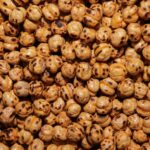
Some foods are well-known for producing gas. Beans and lentils contain complex sugars called oligosaccharides that humans cannot digest on their own. Bacteria feast on them, producing gas. The same happens with cruciferous vegetables like broccoli, cabbage, and Brussels sprouts.
Wheat and other grains contain fructans, another type of fermentable carbohydrate. Dairy products contain lactose. Many people lack enough lactase — the enzyme that breaks lactose down. When undigested lactose reaches the colon, bacteria ferment it and gas follows.
Carbonated drinks add air directly. Chewing gum and drinking through straws can make you swallow extra air. Sugar alcohols found in sugar-free products — sorbitol, xylitol, mannitol — are also poorly absorbed and cause gas in many people.
One non-obvious point: healthy high-fiber foods like oats, apples, and nuts can cause gas when you increase them too quickly. The bacteria in your gut need time to adjust. Going from 10 grams of fiber to 30 grams overnight almost guarantees bloating.
| Food Type | Common Examples | Why It Causes Gas |
|---|---|---|
| Legumes | Beans, lentils, chickpeas | High in oligosaccharides |
| Cruciferous vegetables | Broccoli, cabbage, cauliflower | Contain raffinose and fiber |
| Grains | Wheat, rye, barley | High in fructans |
| Dairy | Milk, cheese, ice cream | Lactose in lactose-intolerant people |
| Fruits | Apples, pears, watermelon | High in fructose and fiber |
| Artificial sweeteners | Sorbitol, xylitol, mannitol | Poorly absorbed by the small intestine |
Can Medical Conditions Be Causing Gas and Bloating?
Yes, but they are less common than diet-related causes. Irritable bowel syndrome (IBS) affects an estimated 10 to 15% of people in the United States according to the International Foundation for Gastrointestinal Disorders. Bloating and gas are core symptoms. People with IBS have a more sensitive gut and slower movement of gas through the intestines.
Small intestinal bacterial overgrowth, or SIBO, is another condition linked to bloating. Normally the small intestine has few bacteria. When bacteria from the large colon move up and grow there, they ferment food earlier in the digestive process. This produces gas and bloating soon after eating. A 2020 review in Clinical and Translational Gastroenterology noted that SIBO is present in up to 78% of people with IBS, though testing methods vary widely.
Celiac disease, pancreatic insufficiency, and gastroparesis can also cause bloating. Celiac disease damages the small intestine and prevents proper absorption. Pancreatic insufficiency means your body does not produce enough enzymes to break down food. Gastroparesis delays stomach emptying. All three lead to fermentation and gas buildup.
If bloating is severe, persistent, or comes with weight loss, blood in stool, or vomiting, see a doctor. Those symptoms are not normal.




What Actually Helps Reduce Gas and Bloating?
Start with eating habits. Eating slowly, chewing food thoroughly, and not talking while chewing reduces the amount of air you swallow. Smaller meals also help — large meals stretch the stomach and can slow digestion.
Dietary changes are the next step. A low-FODMAP diet is one of the most researched approaches for reducing gas and bloating. FODMAPs are fermentable carbohydrates that many people struggle to digest. Studies published in Gastroenterology have shown that about 50 to 80% of people with IBS see symptom improvement on a low-FODMAP diet. The diet is not meant to be permanent. You eliminate high-FODMAP foods for two to six weeks, then slowly reintroduce them to find your personal triggers.
Enzyme supplements can help some people. Lactase supplements help digest dairy. Alpha-galactosidase — sold under brand names like Beano — helps break down the complex sugars in beans and vegetables. These are not cures, but they reduce gas production for specific meals.
Probiotics are widely claimed to help, but the evidence is mixed. Some strains like Bifidobacterium infantis have shown modest benefits for bloating in people with IBS according to research in the American Journal of Gastroenterology. Other strains show no effect. There is no evidence that probiotics help people without digestive disorders.
Peppermint oil capsules are one of the few natural remedies with consistent evidence. A 2019 meta-analysis in the Journal of Clinical Gastroenterology found that peppermint oil significantly reduced bloating and abdominal pain in people with IBS. It works by relaxing the muscles in the digestive tract.
Common Misconceptions About Causing Gas and Bloating
- Gluten causes bloating in everyone. Only people with celiac disease or non-celiac gluten sensitivity react to gluten. For most people, wheat-based bloating is from fructans, not gluten.
- Carbonated water is worse than soda. The bubbles cause gas regardless of sugar content. Both add air.
- You should stop eating all gas-producing foods. Many of those foods are healthy. The goal is to find your personal tolerance, not eliminate them entirely.
- Bloating always means something is wrong. Occasional bloating after a large or high-fiber meal is normal. It becomes a concern when it is frequent, painful, or accompanied by other symptoms.
- Detox teas and cleanses cure bloating. Many contain laxatives that cause water loss, not true gas reduction. They can dehydrate you and disrupt your gut bacteria.
When Should You See a Doctor for Gas and Bloating?
Occasional bloating after eating is not a medical problem. But there are clear signs that something more serious could be happening. The American College of Gastroenterology recommends seeing a doctor if bloating is accompanied by unexplained weight loss, blood in your stool, persistent diarrhea or constipation, or vomiting.
Bloating that gets worse over time or does not go away with dietary changes also warrants a checkup. A doctor may test for celiac disease, lactose intolerance, or SIBO. They may also order imaging to rule out ovarian cancer in women — bloating is one of the early symptoms according to the CDC, though it is rarely the only symptom.
For most people, gas and bloating are manageable with diet and habit changes. The key is identifying your specific triggers rather than trying random solutions. Keep a food and symptom diary for two weeks. Write down what you ate, when you ate it, and how you felt afterward. That data is more useful than any generic diet advice.
Frequently Asked Questions
Can stress cause gas and bloating?
Yes. Stress affects gut motility and can slow or speed up digestion, leading to gas buildup. It also makes you more sensitive to normal amounts of gas.
Does drinking water help with bloating?
Water helps move food through your digestive system and can reduce constipation-related bloating. It does not directly reduce gas from fermentation.
Is it normal to bloat every day after eating?
Mild bloating after large meals is common, but daily bloating that interferes with your life is not normal. It is worth tracking triggers and speaking with a doctor.
Do probiotics stop bloating for everyone?
No. Probiotics help some people, especially those with IBS, but evidence is weak for people without digestive disorders. Different strains have different effects.
