
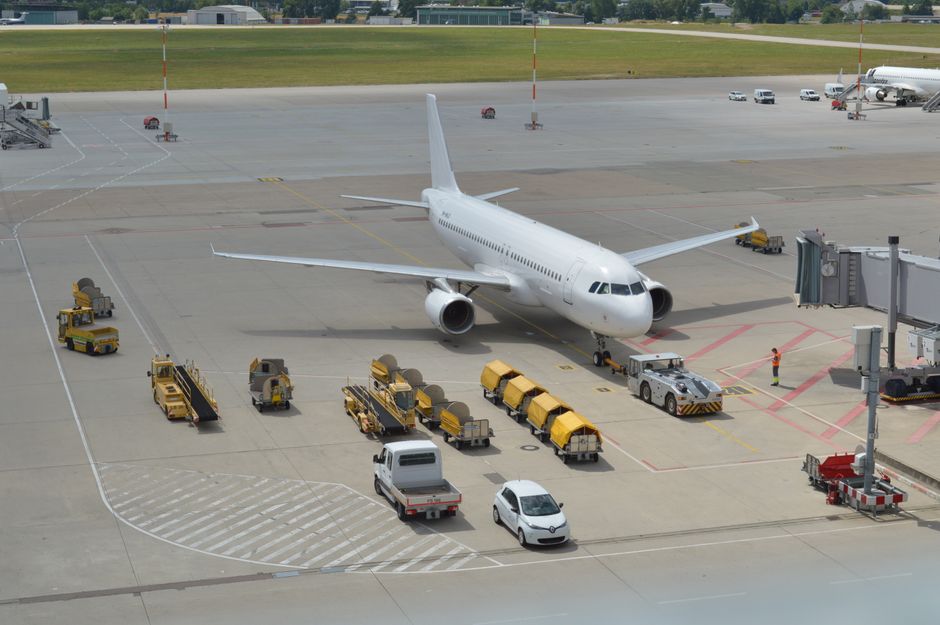
Flight delays come from weather, air traffic control limits, mechanical problems, crew scheduling, and airport congestion — usually a few of these stacking on the same day. You cannot control most of them, but you can reduce your exposure by booking earlier flights, choosing nonstop routes, allowing generous connections, and knowing your rights when things go wrong. This guide explains what actually causes delays and which strategies genuinely help.
What Is Causing Flight Delays And How To Avoid Them?
Most delays trace back to a small number of causes, and they compound. A thunderstorm over one hub airport can ripple across the entire country because aircraft and crews rotate through multiple cities in a single day.
The Federal Aviation Administration tracks delay causes in broad categories: weather, air carrier issues (mechanical, crew, fueling), National Aviation System issues (traffic volume, air traffic control, airport operations), and security. Weather and air carrier problems consistently account for the largest shares.
Here is the key thing to understand: delays are not random. They cluster. Morning flights and certain airports and certain seasons carry measurably higher risk. That means your choices matter more than luck suggests.
Why Do Weather Delays Happen Even When the Sky Is Clear?
Clear skies at your departure airport tell you almost nothing about whether your flight will leave on time. The aircraft may be coming from a city under a storm cell, or the route may pass through airspace the FAA has slowed for weather.
Thunderstorms are the biggest weather driver in warm months. Lightning near an airport forces ground crews off the tarmac, which halts fueling, baggage loading, and pushback. Even a storm miles away can trigger a ground stop if it sits over approach or departure paths.
Winter adds de-icing. Aircraft must be cleared of ice before takeoff, and that process takes time per plane. At a busy airport during a snow event, the de-icing queue alone can add significant delay. Fog creates a different problem: reduced visibility forces controllers to space arrivals farther apart, so the airport’s arrival rate drops even though nothing is “broken.”
One clarification worth knowing: a “ground stop” and a “ground delay program” are different tools. A ground stop halts departures to a specific airport entirely for a period. A ground delay program assigns later departure times to spread out arrivals. Both are traffic management, not signs of danger.
What Role Do Airlines and Airports Play in Delays?
Airlines build tight schedules. Aircraft fly multiple legs per day, and crews have legal limits on how long they can work. When one flight runs late, the aircraft and crew for the next flight are late too. This is why a single morning delay can cascade into an evening problem.
Mechanical issues are a real and necessary cause. Aircraft must meet maintenance and airworthiness standards before flight, and a defect found during inspection grounds the plane until it is fixed or a substitute aircraft is found. This is safety working as intended, even when it costs you hours.
Airport congestion matters too. Large hub airports handle more traffic than runways can absorb at peak times, so the FAA meters arrivals. Smaller regional airports can be more vulnerable to crew shortages because they have fewer spare aircraft and crews nearby.
Airline scheduling practices also shape your risk. Some carriers build more buffer into their schedules than others. Historically, on-time performance has varied widely between airlines, and the U.S. Department of Transportation publishes monthly on-time data by carrier that is worth checking before you book.





Which Flights and Routes Have the Lowest Delay Risk?
Early morning departures are the single most reliable choice. The first flights of the day leave before delays have had a chance to accumulate. Aircraft and crews are usually where they need to be, and weather buildups like afternoon thunderstorms have not formed yet.
Nonstop flights remove an entire failure point. Every connection is a chance to miss the next flight, and a missed connection usually costs far more time than the connection saved. If you must connect, book a longer layover than you think you need, especially at congested hubs or in winter.
Later in the day, risk rises. By evening, aircraft have rotated through several cities and any accumulated delay follows them. The last flight of the night is also the most likely to be cancelled outright, because there is no later departure to rebook passengers onto.
- Book the first or second departure of the morning when possible.
- Choose nonstop over connecting itineraries.
- Allow generous connection times at busy hubs — longer than the airline’s minimum.
- Avoid tight connections in winter and during storm season.
- Check the airline’s recent on-time record before booking.
Does Flight Time of Day Really Matter?
Yes, and it is one of the few factors fully within your control. Delays accumulate through the day like a queue. A plane that leaves on time at 6 a.m. has a clean slate; the same plane on its fourth leg at 7 p.m. carries the weight of every earlier stop.
This is why travel advice consistently favors morning flights. It is not a guarantee — a morning thunderstorm or a mechanical issue can still delay an early flight — but it shifts the odds in your favor. If your schedule allows only an afternoon or evening departure, build in slack on the arrival end, especially if you have a connection, a meeting, or a cruise to catch.
How Can You Reduce Your Risk Before You Fly?
Preparation lowers your exposure but cannot eliminate it. The goal is to make a delay less costly rather than to prevent all delays.
Book with a card or fare that includes trip protection, and understand what your airline’s contract of carriage says about delays. In the U.S., airlines are not required to compensate you in cash for a delay the way some other countries require, but many will rebook you and provide amenities depending on the cause and length of the delay. Know the difference between a delay the airline controls and one caused by weather, because policies often differ.
Pack a carry-on with essentials: medications, a phone charger, and a change of clothes if you are checking a bag. If you check luggage, keep valuables and medication with you. Download your airline’s app so you get rebooking options and gate changes in real time — often before they are announced at the gate.
Consider travel insurance if the trip is expensive or time-sensitive. Read what it actually covers, because many policies exclude weather delays or require a minimum delay length before benefits apply.
What Should You Do When a Delay Happens?
Act fast and use the tools available. The moment a delay is announced, check the airline app and airport screens for rebooking options. In many cases you can rebook yourself before standing in a customer service line.
If you need help, call the airline’s customer service line while you wait in the line at the desk — whichever connects first wins. Ask specifically about the cause of the delay, because that determines what the airline owes you and whether it will put you on a partner airline or cover a hotel.
Keep records. Save receipts for meals, lodging, and transport if a delay forces an overnight stay. Document what you were told. If you believe you are owed compensation or a refund, the U.S. Department of Transportation has rules about refunds for cancelled flights and significant delays, and you can file a complaint if the airline does not resolve it.
Stay calm and flexible. The gate agent did not cause the weather, and being pleasant tends to help when seats are limited and someone has to decide who gets rebooked first.
Can You Avoid Delays Entirely?
No. Some delays are unavoidable, and that is an honest limit worth accepting. Weather, air traffic control, and safety-driven maintenance will always affect some flights.
What you can do is lower your odds and soften the blow. Fly early, fly nonstop, allow buffer time, and know your rights. Those steps do not guarantee an on-time flight, but they consistently reduce how often and how badly a delay affects your trip.
Frequently Asked Questions
What is the most common cause of flight delays?
Weather and air carrier issues like mechanical problems and crew scheduling are the largest categories, according to FAA tracking. Air traffic volume and airport operations also contribute heavily at busy hubs.
Are morning flights less likely to be delayed?
Yes, generally. Early departures avoid the accumulated delays that build through the day and usually dodge afternoon thunderstorms, though no flight is guaranteed on time.
Do airlines have to pay you for a delayed flight in the US?
U.S. airlines are not required to pay cash compensation for delays the way some other countries require. Rules do require refunds in certain cases, and airline policies on rebooking and amenities vary, so check your carrier’s contract of carriage.
How can I avoid missing a connection due to a delay?
Book longer layovers than the airline’s minimum, especially at busy hubs or in winter. Choosing nonstop flights when possible removes the connection risk entirely.
