
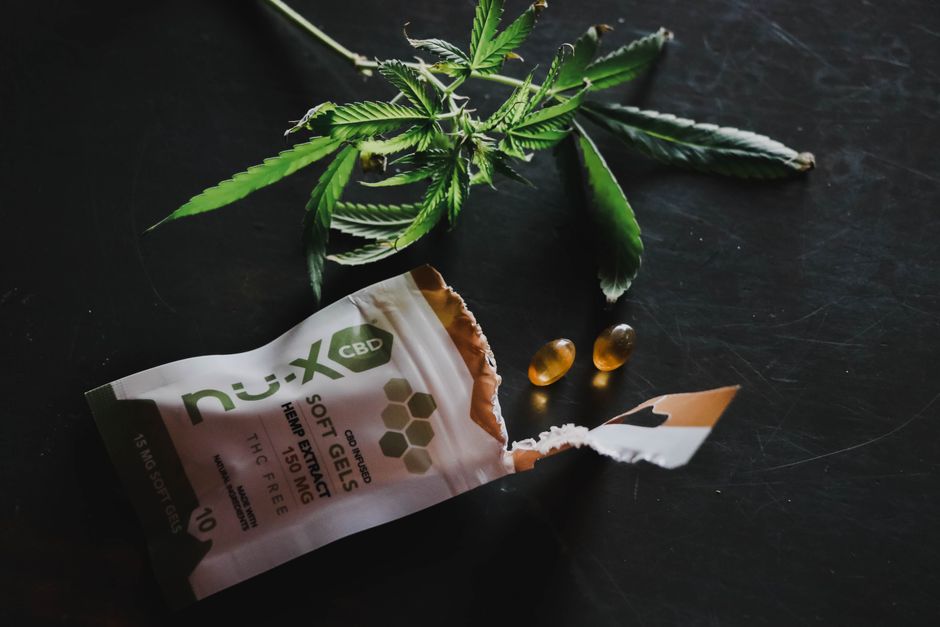
CBD and hemp oil are not the same thing. They come from the same plant, but they are extracted from different parts of it and contain different compounds. CBD is a single molecule. Hemp oil is a broad extract or pressed oil that may contain little to no CBD at all.
This distinction matters because the two products are often sold side by side, sometimes with confusing labels. People buy hemp oil expecting CBD effects, or buy CBD oil thinking it is a nutritional supplement. Getting clear on what each one actually is prevents wasted money and wrong expectations.
What Is the Difference Between CBD and Hemp Oil?
The difference comes down to plant parts and chemistry. CBD is a cannabinoid — one specific compound among more than a hundred found in the cannabis plant. Hemp oil is a product made from hemp seeds or from the whole hemp plant, depending on how it was produced.
Hemp seed oil is pressed from the seeds. Seeds do not contain meaningful amounts of cannabinoids like CBD or THC. What they do contain is fat. Hemp seed oil is rich in polyunsaturated fats, including omega-3 and omega-6 fatty acids. It is a food oil, used in dressings and sold as a nutritional supplement.
CBD oil is made by extracting cannabinoids from the flowers, leaves, and stalks of the hemp plant. The result is a concentrated product where CBD is the main active compound. It may also contain other cannabinoids, terpenes, and plant compounds depending on how it was made.
So the short version: hemp seed oil is a seed-derived food oil with no meaningful CBD. CBD oil is a cannabinoid extract. Both can carry the word “hemp” on the label, which is where most of the confusion starts.
Why Do Labels Make This So Confusing?
Labeling is the main reason people mix these up. In the US, the word “hemp” is a legal and botanical term, not a product category. A bottle can say “hemp oil” and contain pure seed oil with zero CBD. Another bottle can say “hemp extract” and contain a full spectrum of cannabinoids.
There is no single standard that forces a company to state clearly on the front label whether CBD is present. Some brands use “hemp oil” as a marketing term for their CBD products because it sounds more natural or avoids regulatory attention. Others use it accurately to mean seed oil.
This means you cannot trust the word “hemp” alone. You have to read the supplement facts panel and the ingredient list. If the product is a CBD product, the label should state the amount of CBD in milligrams per serving. If it does not, you have no way to know what you are getting.
One non-obvious point: even products labeled “CBD oil” are not held to the same purity and potency standards as prescription drugs. Testing has found that some products contain less CBD than advertised, and some contain more THC than the label states. Third-party lab testing is one way consumers try to verify what is actually in a bottle, though it depends on the lab and the honesty of the company.
Does Hemp Seed Oil Contain Any CBD?
Hemp seed oil contains essentially no CBD. This is not a matter of low concentration — it is a matter of where the compound is made in the plant. Cannabinoids are produced in the glandular trichomes found on the flowers and leaves, not in the seeds.
When seeds are pressed for oil, the cannabinoids are not part of what comes out. Any trace amounts that might appear from contamination during harvest would be negligible and not a meaningful dose.
This is why buying hemp seed oil for anxiety, pain, or sleep does not make sense if you are expecting CBD to do the work. The oil has nutritional value from its fatty acid profile, but it does not deliver cannabinoids.
Some products combine the two — hemp seed oil as a carrier with CBD extract added. That is a different product from plain hemp seed oil, and the label should make the CBD content clear.




What About Full Spectrum, Broad Spectrum, and Isolate?
These terms describe how much of the plant made it into a CBD product. They do not apply to plain hemp seed oil, which is not a cannabinoid extract at all.
- Full spectrum — contains CBD plus other cannabinoids, terpenes, and typically some THC. The THC level in hemp-derived products is capped by law in the US at no more than 0.3% on a dry weight basis.
- Broad spectrum — contains multiple cannabinoids and terpenes but THC has been removed or reduced below detectable levels.
- Isolate — pure CBD with other plant compounds removed.
There is a common claim that full spectrum products work better than isolate because of a “entourage effect” — the idea that plant compounds work together. The concept is plausible and widely discussed, but human trials directly comparing full spectrum to isolate for specific conditions are limited. The evidence is mixed. It is reasonable to say the question is not settled.
What is clearer is that dose and product quality vary widely. A 2022 review of commercially available CBD products found that actual CBD content often differed from what labels claimed. This is a quality control problem, not a pharmacology problem, but it affects real outcomes.
Are the Legal Rules the Same for Both?
No. Hemp seed oil is a food product and is regulated as such. CBD occupies a more complicated space in the US.
The 2018 Farm Bill removed hemp and its derivatives from the Controlled Substances Act, provided the THC content stays at or below 0.3% on a dry weight basis. That legalized hemp-derived CBD at the federal level in a narrow sense. But the FDA has not approved CBD as a food additive or dietary supplement ingredient. So the legal status of CBD in foods and supplements sits in a gap between federal law and enforcement discretion.
State laws vary. Some states have their own rules about CBD in food and supplements. The only FDA-approved CBD product is a prescription medication for specific severe seizure disorders. That approval does not extend to over-the-counter CBD products.
Hemp seed oil, by contrast, is generally recognized as safe for food use and is sold without this legal ambiguity.
Which One Should You Actually Buy?
That depends entirely on what you are trying to do. If you want a nutritional oil with omega-3 and omega-6 fatty acids for cooking or as a dietary fat source, hemp seed oil is the product. It is a food.
If you are looking for CBD specifically, you need a product that states its CBD content in milligrams and comes from a company that provides third-party testing. Hemp seed oil will not do this job.
On the question of whether CBD works for any given purpose, the honest position is that the evidence is uneven. There is solid clinical evidence for prescription CBD in certain rare seizure disorders. For common uses like anxiety, chronic pain, and sleep, the research is much thinner. Some studies suggest possible benefit for anxiety, but results vary and study designs differ. For pain and sleep, the evidence is limited and mixed.
CBD also is not risk-free. It can interact with certain medications, including some blood thinners and seizure medications, by affecting how the liver breaks them down. Anyone taking prescription medication should talk to a clinician before using CBD. This is not a reason to panic — it is a reason to check.
Hemp seed oil does not carry these same interaction concerns because it does not contain meaningful cannabinoids. It is a food oil with a favorable fat profile. That is its role.
Frequently Asked Questions
Is hemp oil the same as CBD oil?
No. Hemp seed oil is pressed from seeds and contains essentially no CBD, while CBD oil is extracted from flowers and leaves and contains CBD as its main active compound. The two are different products with different uses.
Can hemp oil get you high?
No. Hemp seed oil contains no meaningful THC or CBD, so it cannot produce any psychoactive effect. Even full spectrum CBD products are limited by law to no more than 0.3% THC on a dry weight basis, which is not enough to cause intoxication in most people.
Does CBD oil have to say CBD on the label?
Not necessarily. Some companies label CBD products as “hemp oil” or “hemp extract,” which causes confusion. A reliable CBD product should state the amount of CBD in milligrams per serving on the label.
Is hemp seed oil good for anxiety?
No clinical evidence supports hemp seed oil for anxiety because it contains no meaningful cannabinoids. Any anxiety benefit attributed to CBD products comes from the CBD itself, and even that evidence is mixed for common anxiety rather than well established.
