
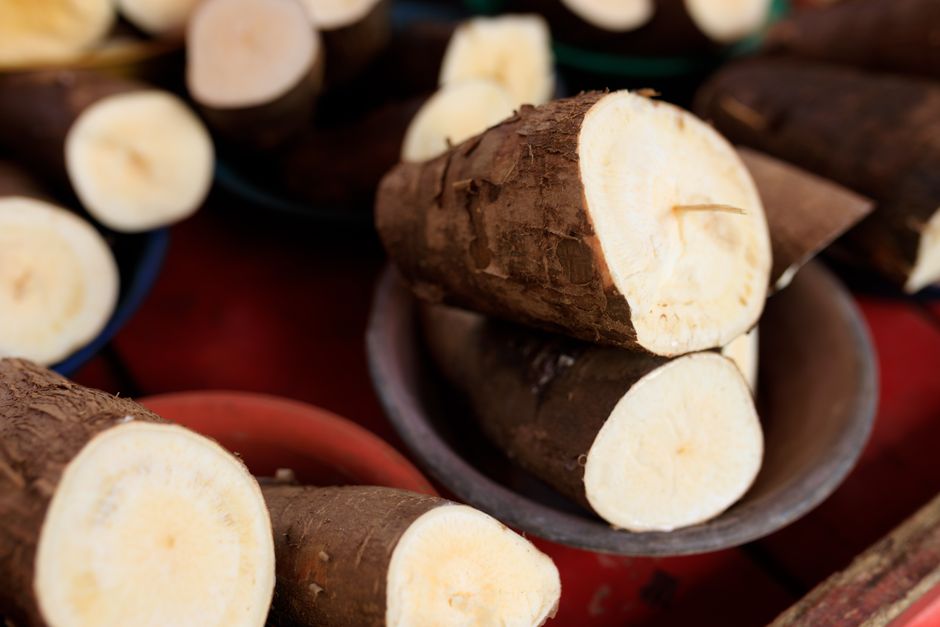
Cassava bread is a gluten-free bread made from cassava flour, which comes from the root of the cassava plant. It provides a dense, chewy texture and a mild, slightly earthy flavor that works well for people avoiding gluten. Nutritionally, cassava bread is primarily a source of carbohydrates with very little protein or fat, making it quite different from wheat-based breads. Its main benefit is offering a safe, versatile alternative for those with celiac disease or gluten sensitivity, though it is not a nutritional swap for whole-grain bread.
What Is Cassava Bread Nutrition And Gluten Free Benefits?
Cassava bread is exactly what the name says: bread made from cassava flour. The cassava root is a starchy tuber grown in tropical regions around the world. To make flour, the root is peeled, dried, and ground into a fine powder. This flour replaces wheat flour entirely, which removes gluten from the final product.
The nutritional profile is simple. A typical serving of cassava bread is almost all carbohydrate. It contains trace amounts of protein and very little fiber compared to whole-grain bread. It is naturally free of gluten, grains, and nuts, which makes it useful for people with multiple dietary restrictions.
The main appeal is not superior nutrition. It is the ability to eat bread without triggering gluten-related health problems. For someone with celiac disease, this is a meaningful option because wheat, barley, and rye are off the table completely.
How Does Cassava Bread Compare To Wheat Bread?
Wheat bread and cassava bread are not nutritional equals. Wheat bread provides protein, fiber, B vitamins, and minerals like iron and magnesium. Cassava bread provides mostly starch with small amounts of these nutrients.
Here is a rough comparison based on standard serving sizes of each bread type. Values are approximate and vary by brand and recipe.
| Nutrient (per slice) | White Wheat Bread | Cassava Bread |
|---|---|---|
| Calories | 70-80 | 90-110 |
| Carbohydrates | 13-15 g | 20-24 g |
| Protein | 2-3 g | 1 g or less |
| Fiber | 1 g | 1 g or less |
| Fat | 1 g | 0.5-1 g |
The takeaway is clear. Cassava bread is not a protein source and not a fiber source. It is an energy source. If you rely on bread for fiber or protein, you will need to get those nutrients elsewhere in your diet.
Some commercial cassava breads are enriched with added vitamins or use blends with other gluten-free flours like almond or coconut. These blends change the nutrition substantially. Always read the label rather than assuming all cassava bread is the same.
Is Cassava Bread Safe For Celiac Disease?
Yes, cassava bread is safe for people with celiac disease when it is made from pure cassava flour. Cassava is naturally gluten-free. It does not contain the proteins gliadin and glutenin that trigger the autoimmune response in celiac disease.
There is one important caveat: cross-contamination. If cassava flour is processed in a facility that also handles wheat, it can pick up gluten during production. People with celiac disease should look for products labeled gluten-free, which in the United States means the product contains less than 20 parts per million of gluten. This threshold is the standard set by the FDA and is considered safe for the vast majority of people with celiac disease.
For people with non-celiac gluten sensitivity, the same rule applies. Pure cassava bread is safe, but checking for the gluten-free label protects against hidden contamination.




What Are The Actual Health Benefits?
The benefits of cassava bread are mostly about what it does not contain. It is free of gluten, free of grains, and free of common allergens like nuts and soy. This makes it one of the few bread options for people managing multiple food restrictions at once.
Another benefit is digestibility. Cassava starch is generally easy to digest for most people. Some research suggests that the resistant starch in cassava may act as a prebiotic, feeding beneficial bacteria in the gut. This effect is real but modest, and it depends heavily on how the bread is prepared and cooled. Reheated or cooled starchy foods tend to have more resistant starch than freshly baked ones.
Cassava bread also tends to be denser than wheat bread. People often report feeling full after a smaller portion. This satiety effect is real but not unique to cassava. Any dense, heavy bread will have a similar effect.
There is no evidence that cassava bread helps with weight loss, blood sugar control, or inflammation. It is not a “health food” in the sense of being nutrient-dense. It is a safe alternative for people who need to avoid gluten.
Are There Any Downsides Or Risks?
Yes, there are a few things to know before making cassava bread a staple.
First, the glycemic index of cassava is high. Cassava starch breaks down quickly into glucose, which can cause a rapid rise in blood sugar. For people with diabetes or prediabetes, this matters. Cassava bread is not a low-glycemic food, and it should be eaten in moderation as part of a balanced meal that includes protein, fat, and fiber from other sources.
Second, cassava contains naturally occurring cyanogenic glycosides. These are compounds that can release cyanide when the raw root is consumed. This is not a concern with commercial cassava flour because processing removes these compounds. Commercial flour is safe. The risk applies to improperly prepared fresh cassava root, not to bread made from processed flour. Still, it is worth knowing where the concern comes from.
Third, the nutrition gap is real. If you switch from whole-wheat bread to cassava bread, you lose a meaningful source of B vitamins, iron, and fiber. Over time, this could matter if your diet does not replace those nutrients from other foods.
How Is Cassava Bread Different From Other Gluten-Free Breads?
Most gluten-free breads on the market use a blend of flours. Rice flour, potato starch, tapioca starch, and xanthan gum are common ingredients. These blends try to mimic the texture and rise of wheat bread. Cassava bread does not do this. It is naturally dense and does not rise much.
This difference matters for taste and texture. Many people describe cassava bread as more like a flatbread or a dense quick bread than a fluffy sandwich loaf. It holds together well, does not crumble as much as rice-based gluten-free breads, and has a neutral flavor that pairs with both sweet and savory toppings.
Some bakers prefer cassava flour because it behaves more like wheat flour in recipes. It absorbs liquid well and has a fine texture. This makes it a practical choice for home baking, not just commercial products.
Compared to almond flour bread, cassava bread is much lower in fat and calories. Compared to coconut flour bread, it is less drying and easier to work with. Each gluten-free flour has a different personality, and cassava sits somewhere in the middle of the spectrum.
Who Should Consider Eating Cassava Bread?
People with celiac disease or gluten sensitivity are the primary audience. If you have been diagnosed with either condition, cassava bread gives you a bread option that is safe, affordable, and widely available.
People following a grain-free or paleo-style diet may also find cassava bread useful. Cassava is a root vegetable, not a grain, so it fits within those eating patterns. However, it is still a high-carbohydrate food. It is not a low-carb alternative by any measure.
People with nut allergies benefit too. Many gluten-free breads rely on almond or coconut flour, which are common allergens. Cassava bread avoids those entirely.
People looking to increase their vegetable intake will not get much from cassava bread. The processing removes most of the vitamins and minerals found in the raw root. It is not a meaningful source of vitamin C, potassium, or other nutrients.
Frequently Asked Questions
Is cassava bread healthier than regular bread?
No. Cassava bread is lower in protein and fiber than wheat bread and higher in carbohydrates. It is a safe alternative for people who cannot eat gluten, but it is not nutritionally superior.
Does cassava bread taste like regular bread?
No. It has a mild, slightly earthy flavor and a denser, chewier texture. It does not rise like wheat bread and is closer to a flatbread or dense quick bread in feel.
Can I eat cassava bread if I have diabetes?
You can eat it, but in moderation. Cassava has a high glycemic index, meaning it can raise blood sugar quickly. Pair it with protein or fat to slow the effect.
Is cassava flour the same as tapioca flour?
No. Both come from the cassava root, but they are different products. Cassava flour uses the whole root and contains fiber. Tapioca flour is extracted starch only and has no fiber or protein.
