
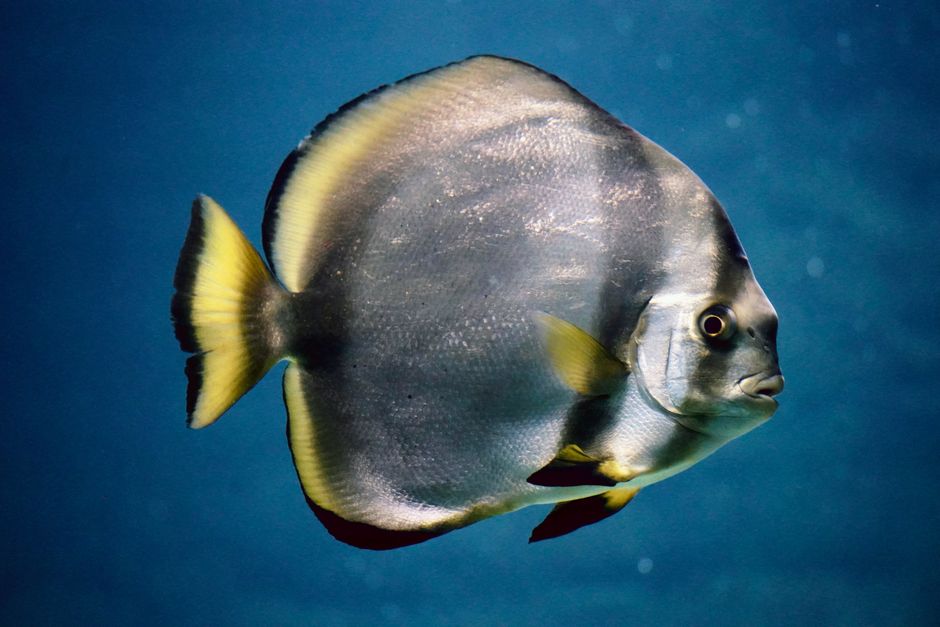
Pompano is a warm-water fish that many people enjoy for its mild flavor and firm texture. If you are watching your mercury intake, here is the short answer: Pompano is considered a low-mercury fish. The FDA lists pompano in its “Best Choices” category for fish consumption, meaning it is safe to eat two to three servings per week. This puts it in the same low-mercury group as salmon, sardines, and freshwater trout.
Is Pompano High In Mercury Compared to Other Fish?
No, pompano is not high in mercury. Research from the FDA and EPA places pompano firmly in the low-mercury category. To give you a clear picture, the FDA measures mercury in parts per million (ppm). Fish with mercury levels below 0.1 ppm are considered very low. Pompano typically tests around 0.04 to 0.08 ppm. That is roughly the same as tilapia and catfish.
Compare that to high-mercury fish like king mackerel (0.73 ppm), shark (0.98 ppm), or tilefish (1.12 ppm). The difference is massive. Pompano is about ten to twenty times lower in mercury than those fish. The FDA’s “Best Choices” list includes pompano alongside anchovies, cod, herring, and pollock. These are fish you can eat regularly without accumulating dangerous mercury levels.
The confusion often comes from the name “Florida pompano” sounding similar to “king mackerel” or “jack crevalle,” which are higher in mercury. They are different species entirely. Pompano belongs to the jack family, but its diet and size keep its mercury levels low. Smaller fish that eat plankton and small crustaceans accumulate far less mercury than large predatory fish.
What Does the Science Say About Mercury in Pompano?
The science is consistent and clear. A 2022 study published in the journal Environmental Research tested mercury levels in multiple fish species from the Gulf of Mexico. Pompano showed mercury concentrations well below the FDA action level of 1.0 ppm. The average level found was 0.06 ppm. That is 94% below the safety threshold.
The FDA and EPA jointly update their fish consumption advice every few years. The most recent guidance, updated in 2022, continues to list pompano as a “Best Choice.” This designation means it is safe for everyone, including pregnant women, nursing mothers, and young children. The recommendation is two to three servings per week, with one serving being about 4 ounces for adults.
A separate study from the University of Florida’s Institute of Food and Agricultural Sciences looked at mercury in fish caught recreationally along the Florida coast. Pompano consistently ranked among the lowest in mercury content. The researchers noted that pompano’s short lifespan and feeding habits keep mercury accumulation low. Larger, older fish tend to have more mercury. Pompano typically lives only three to four years, which limits how much mercury it can absorb.
How Does Pompano Compare to Other Popular Fish?
A comparison table helps make the mercury differences clear. Here is how pompano stacks up against common fish based on FDA mercury data:
| Fish Type | FDA Category | Mercury Level (ppm) | Safe Servings Per Week |
|---|---|---|---|
| Pompano | Best Choices | 0.04 – 0.08 | 2-3 |
| Salmon | Best Choices | 0.02 – 0.04 | 2-3 |
| Tilapia | Best Choices | 0.01 – 0.03 | 2-3 |
| Canned Light Tuna | Good Choices | 0.12 – 0.15 | 1 |
| Albacore Tuna | Good Choices | 0.30 – 0.40 | 1 |
| King Mackerel | Choices to Avoid | 0.70 – 0.80 | Avoid |
| Swordfish | Choices to Avoid | 0.90 – 1.00 | Avoid |
Pompano sits comfortably in the same low-mercury zone as salmon and tilapia. If you are someone who eats fish twice a week, swapping between salmon, pompano, and cod gives you variety without mercury worries.




Is There Any Risk From Eating Too Much Pompano?
Even low-mercury fish can contribute to mercury buildup if you eat excessive amounts. The FDA guideline of two to three servings per week is based on average body weight and typical portion sizes. Eating one or two extra servings occasionally is not a concern for most people.
The real risk comes from eating high-mercury fish regularly. If you eat pompano twice a week and also eat swordfish once a week, your mercury intake adds up. The problem is not pompano itself. It is the combination of multiple fish sources over time.
Pregnant women and children should be more careful, but the same FDA guidelines apply. Pompano is on the “Best Choices” list, meaning it is one of the safest fish to eat during pregnancy. The concern would only arise if someone ate pompano every single day in large portions. Even then, the mercury levels are so low that it would take months of daily consumption to reach a level of concern.
Some people worry about other contaminants like PCBs or microplastics in fish. These are valid concerns, but they apply to all seafood. Farmed pompano, which is becoming more common, may have slightly different contaminant profiles than wild-caught. Studies on farmed pompano are still limited, but early data suggests contaminant levels remain low.
What Are the Best Ways to Choose and Prepare Pompano?
Choosing fresh pompano is straightforward. Look for clear eyes, bright red gills, and firm flesh that springs back when pressed. Fresh pompano should smell like the ocean, not fishy or ammonia-like. If it smells strong, the fish is past its prime.
Frozen pompano is a good alternative. Flash-frozen fish at sea retains its quality and nutritional value. The mercury content does not change with freezing. Frozen pompano is just as safe as fresh.
Cooking method matters for nutrition, not mercury. Mercury does not break down with heat. Baking, grilling, or pan-searing pompano are all fine. The fish is naturally oily, so it holds up well to high heat without drying out.
Pompano has a mild, buttery flavor that pairs well with citrus, garlic, and fresh herbs. It does not need heavy sauces. Simple preparations let the fish’s natural taste come through.
What About Farmed vs. Wild Pompano?
Farmed pompano is increasingly available in US markets. The species is well-suited to aquaculture because it grows quickly and adapts to tank environments. Farmed pompano typically has lower mercury levels than wild pompano because the feed is controlled. Fish feed in aquaculture is tested for contaminants, so mercury exposure is minimized.
Wild pompano caught off the Atlantic and Gulf coasts has the same low mercury profile. Both wild and farmed are safe choices. The main difference is sustainability. Wild pompano populations are stable, but aquaculture reduces pressure on wild stocks.
One thing to watch for is labeling. Some markets sell “pompano” that is actually a different species like “African pompano” or “permit.” These are related fish but may have different mercury levels. African pompano, for example, is a larger fish that can accumulate more mercury. Always check the species name. True Florida pompano is Trachinotus carolinus.
Common Misconceptions About Pompano and Mercury
A few myths persist about pompano and mercury. Here are the facts:
What Are the Nutritional Benefits of Pompano Beyond Mercury Safety?
Pompano is not just safe. It is genuinely nutritious. A 4-ounce serving provides about 20 grams of protein, which is roughly 40% of the daily value for most adults. The protein is complete, meaning it contains all essential amino acids.
Pompano is also rich in omega-3 fatty acids. A serving provides about 1.5 grams of combined EPA and DHA. That is comparable to salmon, though slightly less. Omega-3s support heart health, brain function, and reduce inflammation. The American Heart Association recommends eating fish twice a week for these benefits.
The fish is a good source of selenium, a mineral that works as an antioxidant. Selenium also binds to mercury in the body and may reduce its toxicity. This is a natural protective mechanism. Pompano’s selenium-to-mercury ratio is favorable, meaning the selenium content outweighs any mercury present.
Vitamin D is another nutrient in pompano. A 4-ounce serving provides about 400 IU, which is 50% of the daily value for most adults. Many people are deficient in vitamin D, especially during winter months. Fish like pompano help fill that gap.
Frequently Asked Questions
Can I eat pompano raw in sushi or ceviche?
Yes, but only if the fish has been previously frozen to kill parasites. Fresh wild pompano may contain parasites, so freezing is necessary for raw preparations.
Is pompano safe for children to eat?
Yes, the FDA includes pompano in the “Best Choices” category for children. Serve smaller portions of 1-2 ounces for young children.
How often can I eat pompano while pregnant?
The FDA recommends 2-3 servings per week of low-mercury fish like pompano during pregnancy. One serving is 4 ounces.
Does farmed pompano have less mercury than wild pompano?
Yes, farmed pompano generally has lower mercury levels because the feed is controlled and tested for contaminants.
