
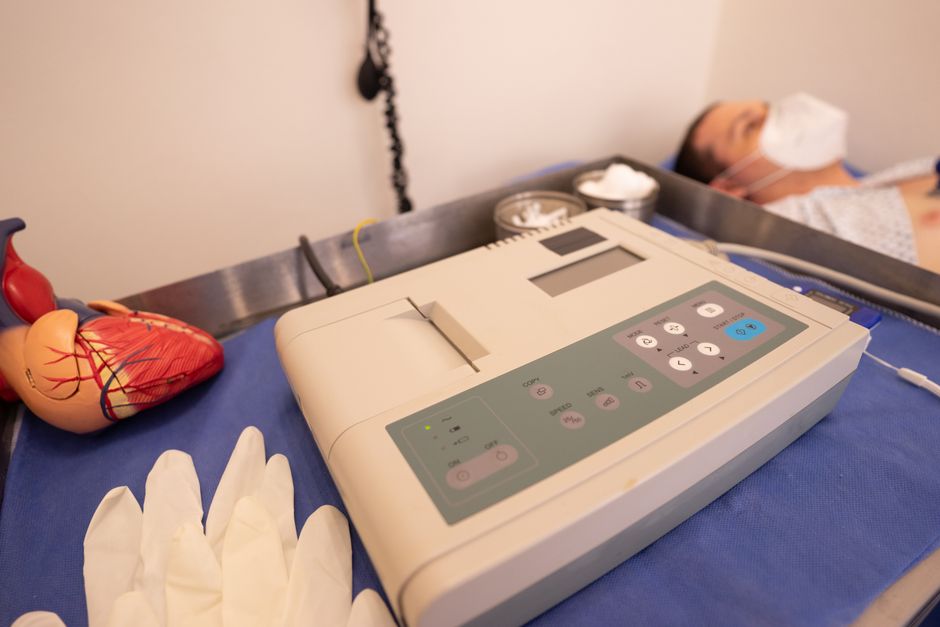
Cardiac tamponade is a medical emergency where fluid builds up in the sac around the heart and squeezes it, preventing it from filling properly. This pressure stops the heart from pumping enough blood to the rest of the body, which can cause organ failure and death if not treated quickly. It is a condition that requires immediate hospital care and usually needs a procedure to drain the fluid.
What Is Cardiac Tamponade?
The heart sits inside a double-layered sac called the pericardium. Normally, this sac contains a small amount of fluid—about 15 to 50 milliliters—that lubricates the heart as it beats. In cardiac tamponade, that space fills with too much fluid, blood, or pus. As the fluid accumulates, it presses on all four chambers of the heart. The pressure becomes so high that the heart cannot relax enough to fill with blood between beats.
Because the heart cannot fill, it cannot pump. Blood backs up into the veins, and less oxygen-rich blood reaches the brain, kidneys, and other organs. This is not a slow process. It can develop over hours or days, but once the pressure reaches a critical point, blood pressure drops sharply and the person may collapse.
What Causes Fluid to Build Up Around the Heart?
Several conditions can cause fluid to accumulate in the pericardial space. The most common cause in emergency settings is trauma, such as a car accident or a stab wound to the chest. In these cases, blood fills the sac rapidly, and symptoms appear within minutes.
Other causes include:
- Cancer, especially lung cancer or breast cancer that spreads to the pericardium
- Kidney failure with high levels of urea in the blood
- Infection or inflammation of the pericardium, called pericarditis
- Heart surgery or procedures that involve the heart
- Connective tissue diseases like lupus or rheumatoid arthritis
- Underactive thyroid, known as hypothyroidism
Some medications, such as certain blood thinners, can also increase the risk of bleeding into the pericardial space. In some cases, the cause is never identified.
What Are the Symptoms of Cardiac Tamponade?
Symptoms depend on how fast the fluid builds up. When fluid accumulates slowly, the pericardium can stretch, and symptoms may develop gradually over days or weeks. When fluid collects rapidly, even a small amount—like 100 milliliters—can cause sudden, severe symptoms.
Common symptoms include:
- Shortness of breath, especially when lying flat
- Chest pain or pressure that may feel like a heavy weight
- Rapid heartbeat
- Lightheadedness or fainting
- Swelling in the abdomen or legs
- Anxiety or a sense of impending doom
- Cool, clammy skin
Three classic signs form what doctors call Beck’s triad: low blood pressure, muffled heart sounds, and bulging neck veins. These three signs together strongly suggest cardiac tamponade, though not everyone shows all three.





How Is Cardiac Tamponade Diagnosed?
Doctors diagnose cardiac tamponade quickly because it is life-threatening. The first step is a physical exam and a review of symptoms. Listening to the heart with a stethoscope may reveal muffled heart sounds. Checking blood pressure may show a drop of more than 10 mmHg when the person breathes in—a finding called pulsus paradoxus.
The most reliable test is an echocardiogram, which is an ultrasound of the heart. This test shows the fluid around the heart and reveals how much the heart chambers are being compressed. It can also show signs of collapse in the right side of the heart, which is a hallmark of tamponade.
Other tests that support the diagnosis include:
- Chest X-ray, which may show an enlarged heart silhouette
- Electrocardiogram, which may show low voltage or electrical alternans
- CT scan of the chest, which can identify fluid and its cause
- Blood tests to check for infection, kidney function, or markers of heart strain
Imaging is not always needed before treatment. If a patient is unstable and tamponade is likely, doctors may proceed directly to drainage.
How Is Cardiac Tamponade Treated?
The only definitive treatment for cardiac tamponade is removing the fluid. This is done with a procedure called pericardiocentesis, where a needle is inserted through the chest wall into the pericardial sac. Ultrasound guidance is often used to place the needle safely. Once the needle is in place, a catheter drains the fluid, and the pressure around the heart drops immediately.
In some cases, surgery is needed instead of a needle. A surgeon may open the chest and create a window in the pericardium, called a pericardial window, to allow fluid to drain into the chest cavity. This approach is often used when the fluid is thick, clotted, or likely to return.
Supportive treatments may be given while preparing for drainage. Intravenous fluids can help maintain blood pressure temporarily. Oxygen is often given to improve oxygen levels. Medications that increase heart rate or blood pressure may be used, but they are not a substitute for drainage—they only buy time.
What Happens After Treatment?
Outcome depends on the cause and how quickly treatment begins. When the fluid is drained early, the heart usually recovers its pumping function. Most people feel relief from shortness of breath and chest pressure within minutes of the procedure.
However, the underlying cause matters. If the tamponade was caused by cancer, the fluid may return, and additional treatment like chemotherapy or radiation may be needed. If it was caused by an infection, antibiotics are required. If it was caused by trauma, surgery to repair the injury may be necessary.
Complications from pericardiocentesis are possible but uncommon when performed by experienced doctors. These include puncture of the heart muscle, bleeding, or lung collapse. The risk is lower when the procedure is guided by ultrasound.
Without treatment, cardiac tamponade is fatal. With prompt drainage, the survival rate is high for people who did not suffer prolonged organ damage. The most dangerous situation is a delay in diagnosis, which allows blood pressure to stay low for too long.
How Does Cardiac Tamponade Differ From Pericarditis?
Pericarditis is inflammation of the pericardium. It can cause chest pain and fluid buildup, but it is not the same as tamponade. Pericarditis may or may not produce enough fluid to compress the heart. Many people with pericarditis never develop tamponade.
When a large effusion develops from pericarditis, it can progress to tamponade. Doctors monitor effusions with repeat echocardiograms to watch for signs of compression. The distinction matters because pericarditis is usually treated with anti-inflammatory medications, while tamponade always requires drainage.
Some people confuse cardiac tamponade with a heart attack. Both cause chest pain and shortness of breath, but the mechanisms are different. A heart attack is a blocked artery in the heart muscle. Tamponade is external pressure on the heart. The treatments are entirely different, which is why prompt diagnosis is critical.
Can Cardiac Tamponade Be Prevented?
Prevention focuses on managing the underlying conditions that lead to fluid buildup. People with chronic kidney disease should follow their treatment plan to keep urea levels controlled. People with cancer should attend regular follow-up appointments to monitor for pericardial involvement. People with autoimmune diseases should stay on their prescribed medications.
Anyone who has had pericarditis should report new symptoms like chest pain, shortness of breath, or fainting to their doctor immediately. Recurrent inflammation increases the risk of effusion.
After heart surgery, patients are monitored closely for fluid accumulation in the days following the procedure. This is why hospital stays after cardiac surgery include frequent vital sign checks and sometimes repeat echocardiograms.
When Should You Seek Emergency Care?
Cardiac tamponade is not something to wait out at home. Call emergency services if you or someone near you experiences sudden shortness of breath, chest pain, fainting, or a feeling of extreme weakness. These symptoms can also indicate a heart attack, pulmonary embolism, or other serious conditions—all of which require emergency evaluation.
Do not drive yourself to the hospital in this condition. Blood pressure can drop suddenly, and passing out while driving is a real risk. Call for an ambulance, sit down, and keep your legs elevated if possible until help arrives.
Frequently Asked Questions
Is cardiac tamponade the same as a heart attack?
No. A heart attack is a blocked artery within the heart muscle, while tamponade is fluid pressing on the outside of the heart. Both are emergencies, but they require different treatments.
How quickly does cardiac tamponade become fatal?
It can become fatal within minutes when fluid accumulates rapidly, such as after trauma. When fluid builds slowly, symptoms may worsen over days, but the condition is still life-threatening once pressure becomes critical.
Can cardiac tamponade resolve on its own?
No. Fluid must be drained to relieve the pressure on the heart. Without drainage, the heart cannot pump effectively, and the condition is fatal.
What is the survival rate for cardiac tamponade?
Survival is high when the fluid is drained promptly and the underlying cause is treatable. Delays in treatment increase the risk of organ damage and death.
