
Carbon monoxide comes from the incomplete burning of fuels that contain carbon. Anything that burns — gasoline, natural gas, propane, oil, wood, charcoal, kerosene — can produce it when there is not enough oxygen for a clean burn. That single fact explains almost every source of carbon monoxide poisoning, from a car left running in a closed garage to a furnace with a blocked flue.
Carbon monoxide is dangerous for a reason that has nothing to do with smell or irritation. It is a colorless, odorless gas that binds to hemoglobin in your blood far more tightly than oxygen does. Your body gets less oxygen delivered to the brain, heart, and other organs even though you are breathing normally. You cannot see it, taste it, or smell it. That is why the causes matter so much — knowing where it comes from is the only reliable way to avoid it.
What Are The Causes Of Carbon Monoxide?
The cause is always the same at the root: a fuel containing carbon burns without enough oxygen. What varies is the appliance, engine, or fire doing the burning, and whether its exhaust is vented safely away from people.
Combustion produces carbon dioxide and water when oxygen is plentiful. When oxygen runs short, the reaction shifts and produces carbon monoxide instead. A well-tuned gas stove in a ventilated kitchen produces very little. A clogged furnace, a generator in a basement, or a car in a closed garage produces a lot.
Common sources include:
- Gas, oil, propane, and wood-burning furnaces, boilers, and water heaters
- Fireplaces, wood stoves, and gas space heaters
- Gas ranges and ovens, especially if used for heating
- Portable generators
- Cars, trucks, and other engines running in enclosed or attached spaces
- Charcoal grills and camp stoves used indoors or in tents
- Gas-powered tools like lawn mowers and snow blowers used in garages
- Boat engines and onboard generators on recreational boats
- Tobacco smoke, which contains carbon monoxide at lower levels
The pattern across all of these is the same. The fuel is not the problem by itself. The problem is poor combustion combined with poor ventilation, or a venting system that has failed.
Why Do Appliances That Normally Run Cleanly Produce Carbon Monoxide?
Most home appliances are designed to burn fuel safely. They become carbon monoxide sources when something disrupts that design — usually a blocked or damaged vent, a dirty burner, or not enough fresh air in the room.
A furnace or water heater that vents through a chimney depends on a steady draft pulling exhaust outside. If the chimney is blocked by debris, a bird nest, or a collapsed liner, that exhaust has nowhere to go but back into the home. This is called backdrafting, and it can happen silently in a house that otherwise seems fine.
Insufficient air supply is another cause. Appliances need oxygen to burn cleanly. In a tightly sealed modern home, or when several appliances compete for air in a small space, combustion can become incomplete. Some conditions increase the risk, including negative pressure from powerful exhaust fans, which can pull combustion gases back down a flue.
Neglected maintenance plays a role too. A burner that is out of adjustment, a heat exchanger with a crack, or a pilot light that is burning yellow instead of blue can all signal incomplete combustion. That is why annual inspection of fuel-burning appliances is widely recommended by safety agencies.
What Are The Most Common Causes Of Carbon Monoxide Poisoning At Home?
Portable generators are among the most frequent causes of serious carbon monoxide poisoning in the United States, and they cause deaths every year. The recurring scenario is a generator placed indoors, in a garage, in a basement, or too close to a window or door. Generators produce carbon monoxide extremely fast, and the gas can build to dangerous levels within minutes in an enclosed space.
Charcoal grills and camp stoves used indoors or inside tents are another well-documented cause. People sometimes bring them inside for warmth or cooking, not realizing that charcoal produces large amounts of carbon monoxide. Tents and garages trap the gas efficiently.
Cars and other vehicles are a common source as well. Leaving an engine running in an attached garage, even with the garage door open, can allow carbon monoxide to enter the house. Snow-blocked tailpipes are a specific hazard — if snow covers the exhaust, gas can back up into the vehicle cabin.
Heating systems are a major cause in colder months. Furnaces, fireplaces, and space heaters that are poorly maintained, improperly vented, or used without adequate ventilation cause many poisonings each winter. Gas ovens used to heat a home are a particular risk, since they are not designed for that purpose and can produce carbon monoxide while running for long periods.





What Causes Carbon Monoxide In Cars, Boats, And Other Vehicles?
Any engine that burns fuel produces carbon monoxide, and the risk depends on where that exhaust goes. A properly functioning car on an open road is safe because the exhaust disperses into the air. The danger appears when exhaust collects in an enclosed or partially enclosed space.
In vehicles, the main causes are:
- An engine running in a closed or attached garage
- A tailpipe blocked by snow, mud, or debris
- Exhaust leaks from a damaged muffler or exhaust system entering the cabin
- A vehicle stuck in snow with the engine running for heat
Boats have their own well-documented risk. Engines and onboard generators vent exhaust near the water, and carbon monoxide can accumulate on the swim platform, in the cabin, or in areas where exhaust gets trapped. The gas can also drift from a neighboring boat. This is why the U.S. Coast Guard and boating safety organizations warn about carbon monoxide exposure around boats, especially near the stern and while idling.
What Are The Warning Signs That Carbon Monoxide Is Building Up?
You cannot detect carbon monoxide with your senses, so the warning signs are either symptoms in people or clues from your appliances and home. Recognizing both can matter a great deal.
Symptoms of carbon monoxide exposure are easy to mistake for other illnesses. Early signs include headache, dizziness, nausea, fatigue, and shortness of breath. These are often described as flu-like, which is exactly why poisoning gets missed. Higher exposure can cause confusion, chest pain, and loss of consciousness. The pattern that should raise suspicion is symptoms that appear or worsen in a specific space and improve when people leave it.
Clues in the home include:
- A yellow or orange flame where it should be blue
- Soot or streaks around an appliance
- A pilot light that keeps going out
- Excess moisture or condensation on windows near a fuel-burning appliance
- A smell of exhaust or backdraft near a furnace or water heater
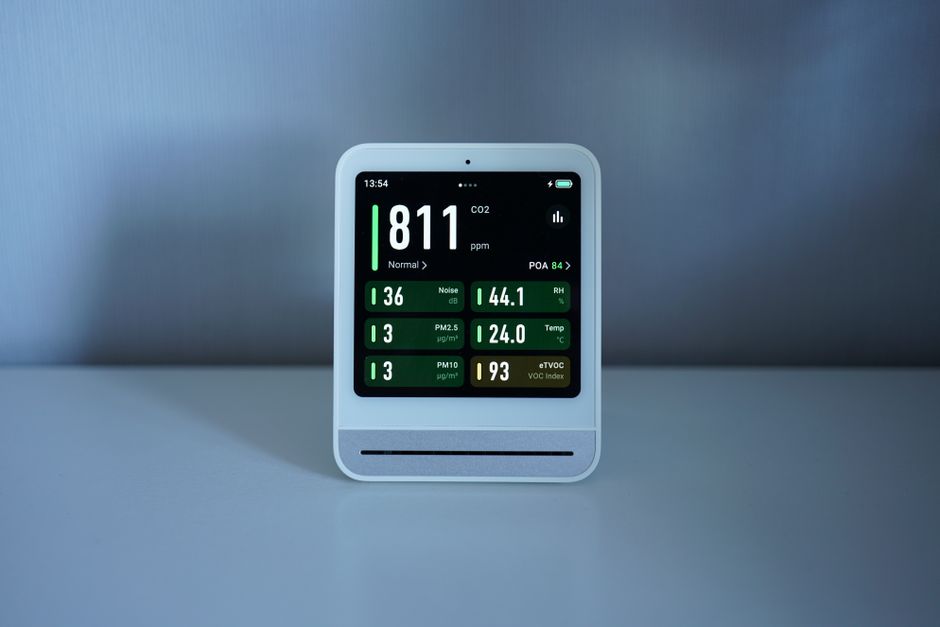
A carbon monoxide alarm is the only reliable way to know the gas is present. These devices are widely recommended on every level of a home and near sleeping areas. If an alarm sounds, the standard advice is to get everyone outside into fresh air and call for help, then have the source investigated before returning.
How Can You Reduce The Risk Of Carbon Monoxide In Your Home?
Prevention comes down to three things: keeping fuel-burning appliances working correctly, venting exhaust outside, and having a working alarm. None of these is complicated, and together they address nearly every common cause.
Practical steps that align with safety agency guidance include:
- Install carbon monoxide alarms and test them regularly
- Have furnaces, water heaters, and other fuel-burning appliances inspected and serviced each year
- Never run a generator indoors or in a garage, and keep it well away from windows and doors
- Never use a charcoal grill or camp stove indoors or in a tent
- Never use a gas oven to heat your home
- Keep chimneys and flues clear and in good repair
- Clear snow from vehicle tailpipes before running the engine
One point worth being clear about: the risk is not limited to old or broken equipment. A new appliance can still produce dangerous carbon monoxide if it is installed incorrectly or its vent is blocked. Installation and venting matter as much as the appliance itself.
If you suspect carbon monoxide exposure, get to fresh air and seek medical help. Do not wait to see if symptoms pass on their own. The gas leaves the body over time once exposure stops, but serious poisoning can cause lasting harm to the brain and heart, and the evidence on long-term outcomes after significant exposure is still an area of active study.
Frequently Asked Questions
What is the most common cause of carbon monoxide poisoning?
Incomplete combustion from fuel-burning appliances and engines, especially portable generators used in enclosed spaces, is a leading cause. Poor venting and lack of maintenance are behind many home cases.
Can carbon monoxide come from a gas stove?
Yes, gas stoves and ovens produce carbon monoxide, especially if burners are poorly adjusted or the appliance is used for long periods without ventilation. Using a gas oven to heat a home is a known risk.
Does carbon monoxide have a smell?
No, carbon monoxide is odorless, colorless, and tasteless. You cannot detect it without a carbon monoxide alarm.
Can you get carbon monoxide poisoning from a car?
Yes, if the engine runs in an enclosed or attached space, if the tailpipe is blocked, or if exhaust leaks into the cabin. Running a car in a closed garage is a well-documented cause.
