
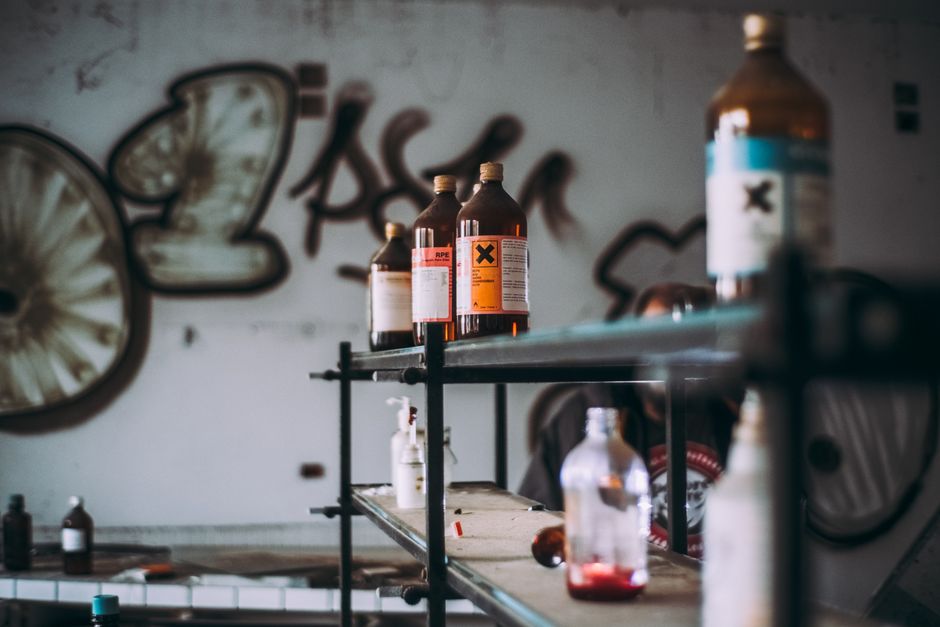
Alcohol is classified as a poison in toxicology and pharmacology. Ethanol — the alcohol in beer, wine, and spirits — is a central nervous system depressant and a known toxic substance. The World Health Organization classifies alcohol as a toxic substance and lists it among the leading risk factors for death and disability worldwide. That classification sits alongside a simple fact: millions of people drink it regularly without acute harm. Both things are true at once, and understanding why is the key to understanding alcohol itself.
Is Alcohol Classified As A Poison The Science Explained
Yes. In scientific and medical terms, alcohol is a poison — specifically a toxicant that acts on the brain and body in a dose-dependent way. The word “poison” here is not an insult or a scare tactic. It is a technical category.
In toxicology, a poison is any substance that can cause harm, illness, or death when it enters the body in sufficient quantity. The dose makes the poison. This principle, usually credited to the physician Paracelsus, is the foundation of modern toxicology. Almost any substance can be toxic at a high enough dose — even water. What matters is how much, how often, and how the body handles it.
Ethanol meets the definition because it disrupts normal body function at the cellular level. It changes how nerve cells communicate, stresses the liver, and affects nearly every organ system when consumed in large amounts or over long periods. The fact that it is legal and widely used does not change its toxic profile. It changes only how society treats it.
Why Is Alcohol Considered A Poison If People Drink It Safely?
Because toxicity is about dose, not legality or culture. The same substance can be harmless in small amounts and dangerous in large ones. Alcohol sits on a spectrum where the gap between a pleasant effect and a harmful one is narrower than most people realize.
Alcohol is a central nervous system depressant. It slows the signals traveling between nerve cells. At low doses, that slowing produces relaxation and reduced inhibition. At higher doses, it impairs coordination, judgment, and reaction time. At very high doses, it can suppress the brain regions that control breathing and heart rate — which is how alcohol overdose can be fatal.
The body does have a built-in defense: the liver breaks down ethanol using enzymes, primarily alcohol dehydrogenase. But this system works at a limited rate. When alcohol arrives faster than the liver can process it, blood alcohol levels climb and the toxic effects intensify. This is why drinking speed and body size matter as much as the number of drinks.
There is no established threshold below which alcohol is proven to carry zero risk. That position has shifted in recent years. For a long time, some research suggested light drinking might carry heart benefits. Larger and better-controlled studies have weakened that idea considerably. Current thinking among major health bodies leans toward the view that less is better, and that no level of consumption has been confirmed as entirely free of risk.
What Happens In The Body When Alcohol Acts As A Poison?
Alcohol affects the body through several mechanisms at once. Understanding them explains why the effects range from mild to life-threatening.
In the brain, ethanol boosts the effect of a neurotransmitter called GABA, which quiets nerve activity, and reduces the effect of glutamate, which excites it. The combined result is a broad slowdown. This is why alcohol relaxes at first and then impairs speech, balance, and memory as the dose rises.
In the liver, ethanol is converted first to acetaldehyde — a compound that is itself toxic and is thought to contribute to hangovers and to some of alcohol’s long-term harms — and then to acetate, which the body can use for energy. The intermediate step matters. Acetaldehyde can damage liver cells and other tissues, and repeated exposure over years is linked to liver disease.
Alcohol also affects the stomach and intestines, the heart and blood vessels, blood sugar regulation, and the body’s fluid balance. It suppresses a hormone that helps the kidneys retain water, which is why drinking leads to increased urination and, often, dehydration.
These are established physiological effects. What varies enormously between people is how much alcohol it takes to produce them — and that variation is where genetics, body composition, food intake, and drinking patterns all come into play.





What Is The Difference Between Alcohol Poisoning And Alcohol Being A Poison?
These are two different ideas that often get confused. Alcohol being a poison is a statement about the substance itself. Alcohol poisoning is a specific medical emergency.
Alcohol poisoning — more precisely called alcohol overdose or acute alcohol toxicity — happens when a large amount of alcohol is consumed in a short time and blood alcohol rises to a dangerous level. It is a medical emergency. Signs include confusion, vomiting, slow or irregular breathing, pale or bluish skin, low body temperature, and loss of consciousness. Someone showing these signs needs emergency help immediately.
The distinction matters because people sometimes assume that if they are not experiencing alcohol poisoning, the alcohol is not doing them harm. That is not how it works. The toxic effects of alcohol operate on a continuum, and the chronic harms from regular heavy drinking accumulate over years, often without obvious warning signs until damage is significant.
If you suspect someone has alcohol poisoning, call emergency services. Do not wait to see if they “sleep it off.” This is one of the situations where fast action genuinely saves lives.
How Does Alcohol Compare To Other Poisons?
Alcohol is unusual among poisons because it is widely consumed on purpose, is legal in most countries, and produces pleasurable effects at low doses. But its toxicity profile is real and, in some ways, more dangerous than many substances people instinctively fear.
One clarifying point: the danger of alcohol is not mainly about a single bad night. For most people who experience harm, it is the cumulative effect of repeated exposure over time. That slow, quiet accumulation is part of what makes alcohol’s status as a poison easy to overlook.
Alcohol is linked to a wide range of health conditions, including liver disease, several types of cancer, heart disease, and neurological damage. The World Health Organization’s International Agency for Research on Cancer classifies alcoholic beverages as carcinogenic to humans. This is not a fringe claim — it reflects a large body of evidence connecting alcohol consumption to cancer risk, particularly cancers of the mouth, throat, esophagus, liver, and breast.
That does not mean every drink carries the same risk. It means the risk exists and rises with the amount consumed. The relationship between alcohol and harm is generally dose-dependent: more drinking, more risk.
Does The Way Alcohol Is Classified Change Anything For Drinkers?
The classification itself does not change the substance. What it changes is how we think about it — and that thinking has practical value.
Calling alcohol a poison is accurate, but it is not a moral judgment. It is a reminder that alcohol is a substance with real biological effects that deserve respect. Many people drink moderately and never experience serious harm. Others are more vulnerable — because of genetics, health conditions, medications, pregnancy, or a history of dependence — and for them the risk is higher.
Established guidance from major health organizations generally emphasizes that if you drink, drinking less is better for your health than drinking more. Some people should avoid alcohol entirely, including people who are pregnant, people taking certain medications that interact with alcohol, and people recovering from alcohol use disorder. No clinical guidelines support the idea that non-drinkers should start drinking for health reasons.
Understanding alcohol as a poison does not require fear. It requires accurate information. The science is clear that alcohol is a toxic substance, that its effects depend heavily on dose, and that the safest approach for anyone concerned about health is to keep consumption low or avoid it.
Frequently Asked Questions
Is alcohol technically a poison?
Yes, alcohol (ethanol) is classified as a toxic substance in toxicology and by the World Health Organization. It meets the definition of a poison because it can cause harm or death depending on the dose.
Why do people drink alcohol if it is a poison?
Alcohol produces pleasurable effects at low doses, and it is legal and culturally accepted in most societies. Its toxicity depends on amount, frequency, and individual factors, so many people drink without immediate harm.
What is the difference between alcohol poisoning and alcohol being a poison?
Alcohol being a poison is a general statement about the substance’s toxicity. Alcohol poisoning is a specific medical emergency caused by consuming a large amount of alcohol in a short time, which can be life-threatening.
Is any amount of alcohol safe?
No level of alcohol consumption has been confirmed as entirely free of health risk. Major health organizations generally advise that less is better and that some people should avoid alcohol completely.
