
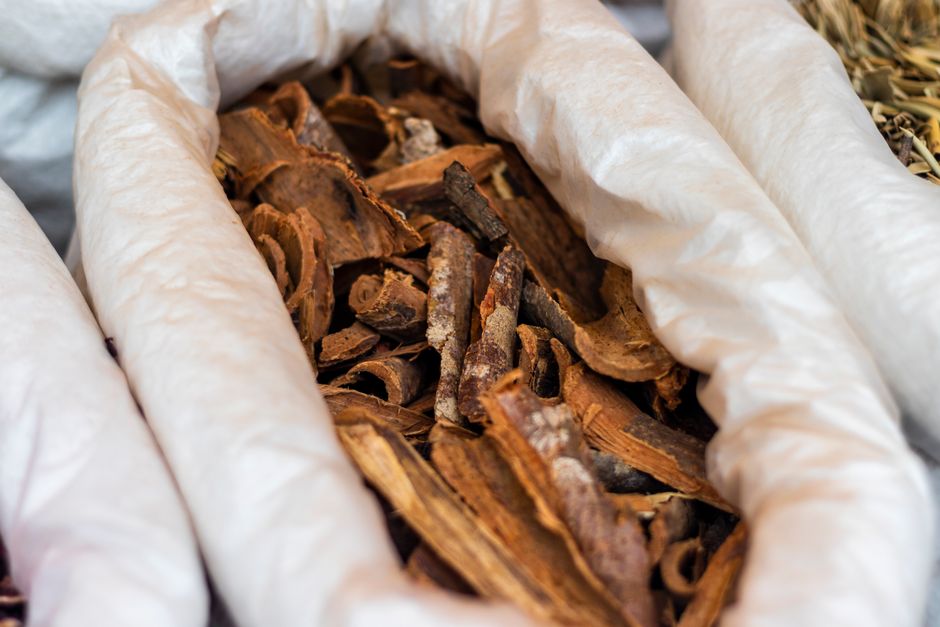
Burdock root is a long, brown taproot from the Arctium lappa plant, a common roadside weed in many parts of the world. People eat it as a vegetable in Japan and Korea, where it is called gobo, and it has a long history of use in traditional Chinese and European herbal medicine. Burdock root is good for one thing above all: it is a genuinely nutritious root vegetable, notably high in fiber and a decent source of several minerals. Most of the health claims attached to it — detoxifying the blood, clearing skin, fighting cancer — are not supported by strong human evidence.
What Is Burdock Root Good For?
The clearest, best-supported answer is nutrition. Burdock root is a starchy root vegetable that provides dietary fiber, potassium, and small amounts of calcium, magnesium, and iron. It behaves more like a carrot or parsnip than a medicine.
Its most distinctive feature is inulin, a type of soluble fiber the plant stores instead of starch. Inulin is a prebiotic, meaning it feeds certain bacteria in the gut rather than being digested by the human body. This is a real, measurable property. Whether that translates into meaningful health outcomes for a person eating burdock occasionally is a separate and much weaker question.
Traditional uses — as a “blood purifier,” a diuretic, a digestive aid, and a skin remedy — are documented in herbal texts going back centuries. Documentation of traditional use is not evidence that the use works. Those are two different things, and the distinction matters here.
In Japan, burdock root is eaten as a vegetable. In the US, it is most often sold as a dried root, a tea, or a capsule in the supplement aisle. Those are not equivalent products, and the evidence behind them is not equivalent either.
What Nutrients Does Burdock Root Actually Contain?
Burdock root is a low-calorie vegetable with a fiber profile that stands out among root crops. According to USDA nutritional data, the raw root contains roughly 72 calories per 100 grams, along with about 3.3 grams of fiber. Most of that fiber is inulin.
It also supplies potassium and small amounts of magnesium, calcium, and iron. Those mineral amounts are modest — burdock is not a standout source of any mineral compared to leafy greens or legumes.
The inulin content is where burdock differs from a potato or a turnip. Inulin is fermented by bacteria in the colon, which is why burdock can cause gas or bloating in people who eat a lot of it. That effect is predictable and well understood. It is not a sign of “detoxification.”
One practical note: burdock root sold in the US is sometimes confused with burdock leaf or with other plants entirely. The root is the part that is eaten and studied. The leaves are not typically consumed, and burdock leaf has been associated with skin reactions after contact.
Does Burdock Root Detoxify Your Blood?
No. There is no evidence that burdock root removes toxins from the blood, and the concept of a “blood purifier” is not something modern medicine recognizes.
The body already has organs that clear waste from the blood — the liver and kidneys — and they do this continuously without herbal assistance. No food or supplement has been shown to make them clear waste faster in a healthy person. Marketing language about “detox” on burdock products is not backed by clinical trials.
This does not mean burdock is useless. It means the specific claim is unsupported. A traditional reputation for cleansing the blood is a historical belief, not a finding.


Can Burdock Root Help With Skin Problems?
Burdock has a long folk reputation as a skin remedy, especially for acne and eczema. The human evidence for this is thin.
Some traditional formulas combine burdock with other herbs such as dandelion or sarsaparilla, which makes it impossible to know which ingredient, if any, is doing anything. Some small studies have looked at burdock in combination products, but small studies with mixed ingredients do not establish that burdock itself helps skin.
There is a plausible-sounding theory that inulin’s effect on gut bacteria could influence skin through the gut-skin axis. That idea is an active area of research, not an established treatment. If you have persistent acne or eczema, burdock is not a substitute for a dermatologist’s care.
Does Burdock Root Have Any Real Medical Uses?
The honest position is that burdock has no established medical use supported by strong human trials. Most of what exists is laboratory research and small, preliminary studies.
In laboratory settings, burdock extracts have shown antioxidant and anti-inflammatory activity. Lab results in cells or animals often do not carry over to people. A compound behaving a certain way in a petri dish tells you almost nothing about what it does in a human body.
Some early research has looked at burdock compounds and cancer cells, and some studies have examined burdock in combination with other herbs for conditions like osteoarthritis. None of this has reached the level of a large, well-controlled human trial that would let anyone say burdock treats a disease.
If a product claims burdock “supports immune health” or “fights inflammation,” ask what human study backs that. In most cases, there is not one.
Is Burdock Root Safe to Eat or Take?
Burdock root eaten as a food is generally considered safe for most people. The main side effect is digestive — gas, bloating, or cramping from the inulin, especially if you eat a large amount at once.
Burdock root tea and supplements are a different question, and caution is warranted. Several specific safety concerns are documented:
- Burdock leaf and root can cause allergic skin reactions in some people, particularly after direct contact with the plant.
- Burdock is in the same plant family as ragweed, chrysanthemums, and daisies. People with allergies to those plants may react to burdock.
- Burdock root can act as a diuretic and may interact with diuretic medications or affect blood sugar. Anyone taking diabetes medication or blood pressure medication should talk to a clinician before using burdock supplements.
- Contamination is a real concern. Some burdock supplements have been found to be adulterated with other plants, including toxic species. A well-known historical case involved burdock tea contaminated with a toxic plant that caused serious illness.
There are no clinical guidelines for burdock use during pregnancy or breastfeeding, and no reliable dosing data for those groups. The same is true for infants and children. If you are pregnant, breastfeeding, or giving a supplement to a child, the safe position is to avoid burdock unless a clinician specifically advises it.
Burdock root is not a treatment for any medical condition, and it should never replace prescribed medication.
Burdock Root vs. Other Root Vegetables
If you are considering burdock for its nutrition rather than its reputation, it helps to see where it sits next to familiar roots. The table below uses USDA data for raw vegetables per 100 grams.
| Vegetable (raw, 100 g) | Calories | Fiber | Potassium |
|---|---|---|---|
| Burdock root | ~72 | ~3.3 g | ~308 mg |
| Carrot | ~41 | ~2.8 g | ~320 mg |
| Parsnip | ~75 | ~4.9 g | ~375 mg |
| Potato | ~77 | ~2.2 g | ~425 mg |
The takeaway is modest. Burdock is a reasonable vegetable with a decent fiber content, but it does not stand far apart from a carrot or parsnip. The inulin is the main difference, and inulin is also found in chicory root, Jerusalem artichoke, onions, garlic, and asparagus.
If your goal is fiber and prebiotics, those foods are cheaper and better studied. If your goal is a specific health effect, burdock does not deliver one that has been proven.
How Do People Use Burdock Root?
As a food, burdock root is peeled and cooked — stir-fried, braised, or added to soups. It has a mild, earthy, slightly sweet flavor and a firm texture that holds up to cooking. In Japan it is a common ingredient in dishes like kinpira gobo.
As a tea, dried burdock root is steeped in hot water. As a supplement, it comes in capsules and tinctures, often blended with other herbs. There is no standard dose for any of these forms, and no clinical guideline establishes one. That is worth knowing before you follow a number printed on a bottle.
One non-obvious point: the form matters a lot. Eating burdock as a vegetable is a food choice with a long history. Taking a concentrated supplement is a different act, with different exposure to whatever compounds are in the extract and different contamination risks. Treating them as the same thing is a mistake.
Frequently Asked Questions
What is burdock root good for?
It is best supported as a nutritious root vegetable, providing fiber (mostly inulin), potassium, and small amounts of other minerals. Its traditional uses for detox, skin, and blood cleansing are not backed by strong human evidence.
Does burdock root really detox your body?
No. There is no evidence that burdock removes toxins from the blood, and the liver and kidneys already handle waste clearance on their own. “Detox” claims on burdock products are marketing, not science.
Is burdock root safe to take every day?
Burdock eaten as a food is generally safe for most people, though the inulin can cause gas and bloating. There is no established daily dose for burdock supplements, and no clinical guidelines for use during pregnancy, breastfeeding, or in children.
Can burdock root help with acne or eczema?
The human evidence is thin, and most studies have looked at burdock mixed with other herbs, which makes it impossible to credit burdock alone. It is not a substitute for dermatology care.
