
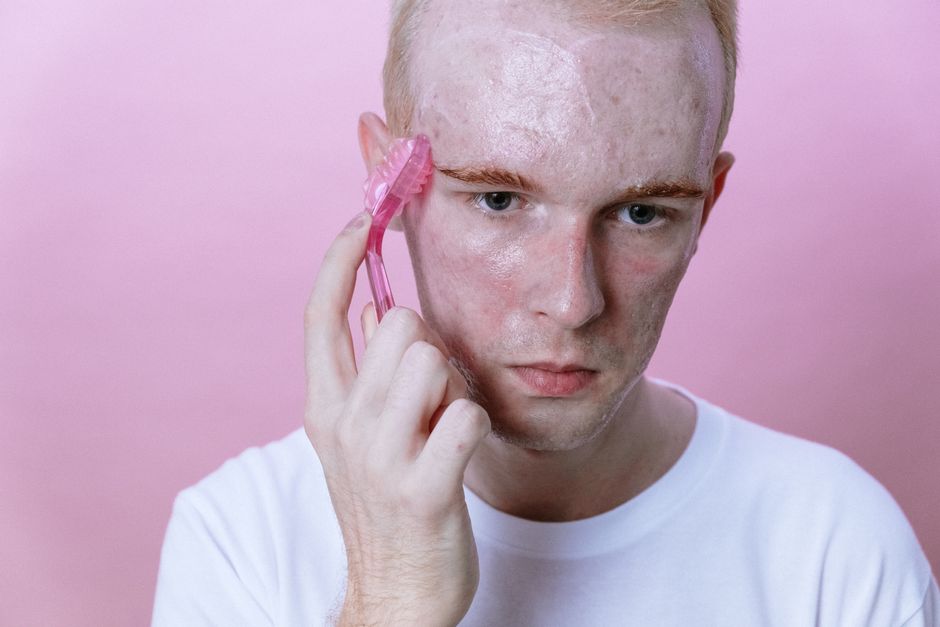
Body acne is acne that appears on areas other than the face, most commonly the chest, back, and shoulders. It develops through the same biological process as facial acne: hair follicles become clogged with oil and dead skin cells, leading to inflammation and breakouts. While it is not a serious medical condition, it can be persistent, uncomfortable, and frustrating to treat.
What Is Body Acne and How Does It Differ From Facial Acne?
Body acne and facial acne share the same root cause. Both involve sebaceous glands producing excess oil, dead skin cells shedding abnormally, and bacteria called Cutibacterium acnes multiplying in clogged pores. The result is the same range of lesions: blackheads, whiteheads, papules, pustules, and sometimes deeper nodules or cysts.
The key difference is the skin itself. Skin on the back and chest is thicker than facial skin. It also has larger sebaceous glands and more of them per square inch. This means body acne can produce larger, more inflamed lesions that take longer to heal. The back is also a difficult area to reach, which makes consistent treatment harder for many people.
Another difference is the triggers. Facial acne is often tied to hormones and cosmetics. Body acne is frequently aggravated by friction, pressure, sweat, and clothing choices. Athletes, people who wear backpacks, and those who sit against sweaty gym equipment often see breakouts in specific patterns that match the friction source.
What Causes Body Acne?
Hormones are the primary driver. Androgens, which increase during puberty and can fluctuate in adulthood, stimulate sebaceous glands to produce more oil. This is why acne often flares during menstrual cycles, pregnancy, or times of high stress. The mechanism is well established: more oil plus abnormal skin cell shedding equals clogged pores.
Friction and pressure play a major role in body acne specifically. Tight clothing, sports bras, backpack straps, and even leaning against a chair can trap sweat and oil against the skin. This condition, sometimes called acne mechanica, does not cause acne on its own. But it can turn mild breakouts into worse ones or trigger new lesions in people already prone to acne.
Sweat itself does not cause acne. However, sweat mixed with oil, dead skin, and bacteria can sit on the skin and increase the chance of clogged pores. Showering soon after heavy sweating is a reasonable preventive step, though the evidence that it directly reduces acne is limited.
Some research suggests diet may influence acne, particularly high-glycemic foods and dairy. The evidence is mixed. Some studies show a connection, while others do not. If you suspect a food triggers your breakouts, tracking your intake and skin response over several weeks is a reasonable approach. But no specific diet has been proven to cure body acne.
What Are the Most Common Types of Body Acne?
Body acne appears in a few distinct forms, and recognizing them matters for treatment.
- Non-inflammatory acne: Blackheads and whiteheads. These are clogged pores without significant redness or swelling. They are common on the shoulders and upper back.
- Inflammatory acne: Papules and pustules. These are red, tender bumps, sometimes with a white center. They indicate the pore wall has broken and inflammation has set in.
- Nodular or cystic acne: Large, deep, painful lumps. These form deep in the skin and carry the highest risk of scarring. They often require prescription treatment.
It is worth noting that not every bump on the body is acne. Folliculitis, an infection of the hair follicle, looks very similar to acne but requires different treatment. Heat rashes and allergic reactions can also mimic acne. If your breakouts do not respond to standard acne treatments, or if they are intensely itchy, a dermatologist can help determine the actual cause.




How Is Body Acne Treated?
Treatment follows a similar logic to facial acne but often needs stronger products because body skin is thicker. Over-the-counter options are the first step for mild cases.
Benzoyl peroxide is one of the most studied ingredients for body acne. It kills the acne bacteria and helps clear clogged pores. It is available in body washes, creams, and gels. A common approach is using a 5% or 10% benzoyl peroxide wash in the shower, leaving it on for a few minutes before rinsing. Benzoyl peroxide can bleach clothing and towels, so rinse thoroughly and use white linens.
Salicylic acid is another proven option. It helps shed dead skin cells and unclog pores. It works well in body washes and sprays, particularly for blackheads and whiteheads. It is less effective than benzoyl peroxide for inflamed, red acne.
Adapalene, available over the counter at 0.1% strength, is a retinoid that normalizes skin cell shedding. It is effective but requires consistent use for several weeks before results appear. It can cause dryness and irritation when first starting.
For moderate to severe body acne, or acne that leaves scars, prescription treatments are often necessary. Topical antibiotics, stronger retinoids, and oral medications are all used. Oral antibiotics reduce inflammation and bacterial growth but are typically used for short courses to avoid antibiotic resistance. Hormonal therapies, such as certain birth control pills, are effective for women whose acne flares with their menstrual cycle. Isotretinoin is reserved for severe, scarring acne that has not responded to other treatments. It is highly effective but carries significant side effects and requires close medical monitoring, including mandatory pregnancy prevention due to risk of severe birth defects.
How Long Does Treatment Take to Work?
All acne treatments take time. Over-the-counter products typically require 6 to 8 weeks of consistent use before visible improvement. Prescription treatments may work faster but still take at least 4 to 6 weeks. Acne clears gradually, and it is common to see new breakouts during the first few weeks of treatment. This does not mean the treatment is failing.
Consistency matters more than intensity. Using a treatment sporadically will not produce results. Using too many products at once can irritate the skin and worsen acne. A simple routine with one or two proven ingredients, used daily, is more effective than a complex routine used occasionally.
If there is no improvement after 8 to 12 weeks of consistent over-the-counter use, seeing a dermatologist is the appropriate next step. Delaying treatment for inflammatory or nodular acne increases the risk of permanent scarring.
Can Body Acne Be Prevented?
Prevention focuses on reducing the factors that trigger or worsen breakouts. Showering after heavy sweating is a practical step. Wearing loose, breathable clothing during exercise and changing out of sweaty clothes promptly can reduce friction and trapped oil.
Choosing the right products matters. Heavy body lotions and sunscreens can clog pores. Look for non-comedogenic labels, which indicate the product is formulated to not block pores. However, non-comedogenic does not guarantee zero breakouts for everyone. It simply means the ingredients are less likely to clog pores based on testing.
Washing the body with a gentle cleanser daily is reasonable. Over-washing or harsh scrubbing can strip the skin of natural oils, which triggers the skin to produce more oil to compensate. This can actually worsen acne.
When Should You See a Dermatologist?
See a dermatologist if your body acne is painful, deep, widespread, or leaving scars. Also seek medical advice if over-the-counter treatments have not helped after three months of consistent use.
Sudden, severe acne in adulthood can sometimes signal an underlying hormonal issue, especially in women. Conditions such as polycystic ovary syndrome can present with acne along with irregular periods and excess hair growth. If you have these symptoms together, a medical evaluation is appropriate.
Body acne is not dangerous, but it can significantly affect quality of life. Effective treatments exist for every severity level. The key is matching the treatment to the severity and giving it enough time to work.
Frequently Asked Questions
What is body acne?
Body acne is acne that forms on the chest, back, shoulders, and other body areas. It develops when hair follicles become clogged with oil and dead skin cells, just like facial acne.
Does body acne go away on its own?
Mild body acne can clear on its own, especially with consistent cleansing and sweat management. Moderate to severe acne usually requires treatment and will not resolve without intervention.
What is the fastest way to get rid of body acne?
The fastest proven approach is consistent daily use of benzoyl peroxide or salicylic acid products, but visible results still take 6 to 8 weeks. Prescription treatments from a dermatologist can work faster for severe cases.
Is body acne caused by poor hygiene?
No. Acne is primarily caused by hormones, oil production, and skin cell shedding. Poor hygiene is not a direct cause, though not showering after heavy sweating can worsen existing acne.
Can body acne leave permanent scars?
Yes, especially inflammatory or nodular acne that is picked, squeezed, or left untreated. Early treatment reduces the risk of permanent scarring.
