
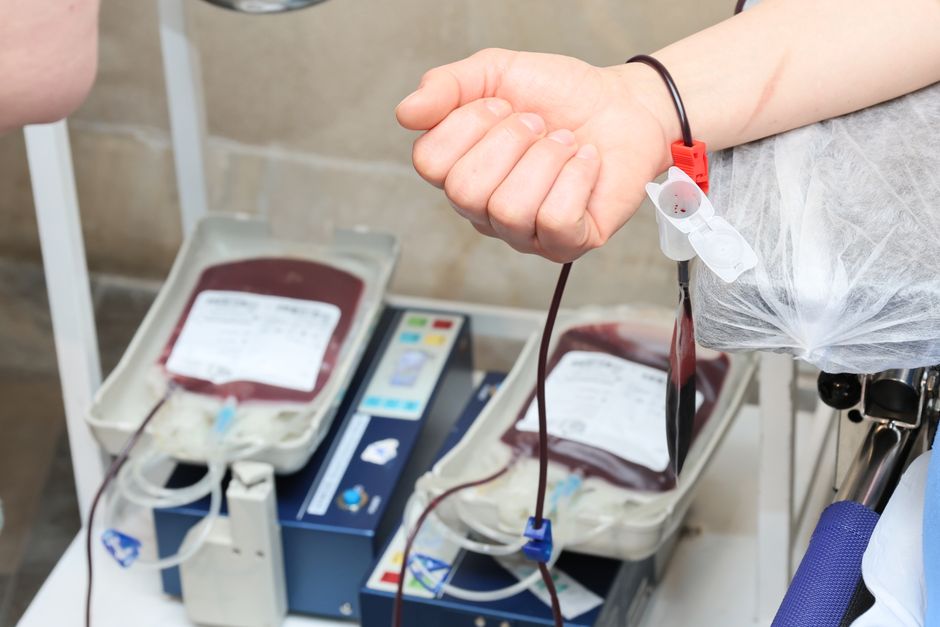
Blood donation is a medical procedure where a healthy person gives blood so it can be used for transfusions or to make medicines. The donated blood helps people who have lost blood from surgery, injury, or illness. There are several types of donation, including whole blood, plasma, platelets, and red cells. The process is safe, regulated, and takes about an hour from start to finish. Most healthy adults aged 17 or older who weigh at least 110 pounds can give blood, though specific rules vary by location.
What Is Blood Donation and Why Does It Matter?
Blood donation is one of the most common medical procedures in the world. Hospitals use donated blood every day for emergency trauma care, cancer treatment, childbirth complications, and major surgeries. Without a steady supply of donors, many of these procedures could not happen safely.
The human body contains about 10 pints of blood. A standard donation takes one pint. Your body replaces the fluid portion within 24 hours and the red blood cells within a few weeks. This is why most people can donate every 56 days without any health risk.
Blood cannot be manufactured in a lab. There is no artificial substitute that does everything blood does. That is why the supply depends entirely on voluntary donors.
What Are the Different Types of Blood Donation?
Most people think of whole blood donation when they hear “giving blood.” But there are actually four main types of donation. Each one serves different patient needs.
Whole blood donation is the most common type. The machine collects a pint of blood that contains red cells, white cells, platelets, and plasma. This blood is often separated into components after collection so it can help multiple patients.
Plasma donation collects only the liquid part of your blood. Plasma carries proteins, nutrients, and clotting factors. It is often used for burn victims and people with clotting disorders. Plasma donation takes longer than whole blood — usually about an hour and 15 minutes. You can donate plasma more frequently because your body replaces plasma quickly.
Platelet donation uses a machine to collect only platelets, the cells that help blood clot. Platelets are vital for cancer patients undergoing chemotherapy and for people with severe bleeding. Platelet donation takes about two to three hours. Platelets have a short shelf life of only five days, so the need is constant.
Double red cell donation collects two units of red blood cells while returning the plasma and platelets to your body. This is used for people with severe anemia and for surgical patients. You must wait longer between double red cell donations — usually 112 days.
Some donation centers also allow power red donation, which is the same as double red cell donation under a different name.
Who Can Give Blood?
The basic requirements for blood donation are similar across the United States, though each blood center sets its own specific rules. The American Red Cross and the FDA provide the framework most centers follow.
You generally must be at least 17 years old, though some states allow 16-year-olds with parental consent. You must weigh at least 110 pounds. You must be in good health and feeling well on the day of donation.
Some medical conditions and medications affect your ability to donate. People with active infections, recent tattoos or piercings, or certain chronic conditions may need to wait. The rules exist to protect both the donor and the person receiving the blood.
Travel to certain countries may require a waiting period. This is because of the risk of transmitting diseases like malaria. The specific countries and waiting periods change over time, so the blood center will ask about your travel history.
Iron levels matter too. Before each donation, a finger prick test checks your hemoglobin. If your iron is too low, you will be asked to wait and eat iron-rich foods. Low iron is the most common reason people are deferred from donating.


What Is the Blood Donation Process Step by Step?
Understanding the process helps reduce anxiety for first-time donors. The entire appointment typically takes about one hour, though the actual blood draw lasts only 8 to 10 minutes.
Step 1: Registration. You check in, show identification, and provide basic information. This takes about 15 minutes.
Step 2: Health history review. A staff member reviews your medical history and asks questions about medications, travel, and lifestyle. This confidential screening protects everyone involved.
Step 3: Mini-physical. A staff member checks your temperature, pulse, blood pressure, and hemoglobin level. This takes about 10 minutes and ensures you are safe to donate.
Step 4: The donation. You sit in a reclining chair. A staff member cleans your arm and inserts a sterile needle. The actual collection takes 8 to 10 minutes for whole blood. You may be asked to squeeze a stress ball to keep blood flowing.
Step 5: Refreshments. After the needle is removed, you rest for 15 minutes and have juice and snacks. This helps prevent dizziness and lets staff monitor you for any reaction.
The entire process is sterile. All needles and collection bags are single-use and discarded after each donation. You cannot get an infection from donating blood because nothing that touches you is reused.
What Are the Side Effects and Risks of Donating Blood?
Blood donation is safe for healthy adults. The most common side effects are minor and temporary.
Some people feel lightheaded or dizzy after donating. This happens because your body is adjusting to the sudden loss of one pint of fluid. Drinking extra fluids and eating a meal before donation reduces this risk. Sitting for a few minutes after donation helps too.
Bruising at the needle site is common and harmless. A small bruise may last a few days. Some people feel mild arm soreness, which usually resolves within 24 hours.
Fainting is rare but possible, especially in first-time donors or people who are anxious. Blood centers are trained to handle this. They will lay you flat, elevate your feet, and monitor you until you recover.
Serious complications are extremely rare. There is no risk of getting a bloodborne illness from donating because all equipment is sterile and single-use.
One thing many people do not realize: you cannot get HIV, hepatitis, or any other infection from donating blood. The needle is new and sterile for every donor. This myth persists, but it is simply not true.
How Often Can You Donate Blood?
The waiting period between donations depends on the type of donation you make. These intervals exist to protect your health and ensure your body fully recovers.
You can give whole blood every 56 days. That works out to about six times per year.
You can give plasma more often — typically every 28 days. Some centers allow plasma donation twice within a seven-day period, but this varies by location.
You can give platelets every 7 days, up to 24 times per year. Platelet donors should not take aspirin for 48 hours before donation because aspirin affects platelet function.
You can give double red cells every 112 days. This is a longer wait because you are giving twice the red cells.
These intervals are not arbitrary. They are based on how quickly your body replenishes each blood component. Red blood cells take about 4 to 6 weeks to fully replace. Plasma replaces within 24 to 48 hours. Platelets return to normal levels within a few days.
What Should You Do Before and After Donating?
Preparation makes the donation experience smoother. The steps are simple and supported by standard blood center guidance.
Eat a full meal in the 2 to 3 hours before your appointment. Avoid fatty foods right before donation because excess fat in your blood can interfere with some screening tests. Hydrate well the day before and the day of donation.
Wear comfortable clothing with sleeves that can be rolled up above the elbow. Bring identification and your donor card if you have one.
After donation, keep the bandage on for at least 4 to 5 hours. Avoid heavy lifting and strenuous exercise for the rest of the day. Drink extra fluids for the next 24 hours. Eat iron-rich foods like lean meat, beans, spinach, or fortified cereal in the days following donation.
If you feel dizzy, sit down immediately and put your head between your knees. This passes quickly and is not dangerous.
Frequently Asked Questions
How long does a blood donation take?
The whole appointment takes about one hour. The actual blood draw lasts only 8 to 10 minutes for whole blood donation.
Can you donate blood if you have tattoos or piercings?
Yes, but you may need to wait. If the tattoo or piercing was done at a licensed facility with sterile equipment, the wait is typically 3 months in most states.
What disqualifies you from donating blood?
Common reasons include recent infections, low iron levels, certain chronic conditions, recent travel to malaria-risk areas, and some medications. The blood center staff will review your specific situation during screening.
Is it painful to donate blood?
You feel a brief pinch when the needle goes in, similar to a quick shot. After that, most people feel nothing during the donation itself.
