
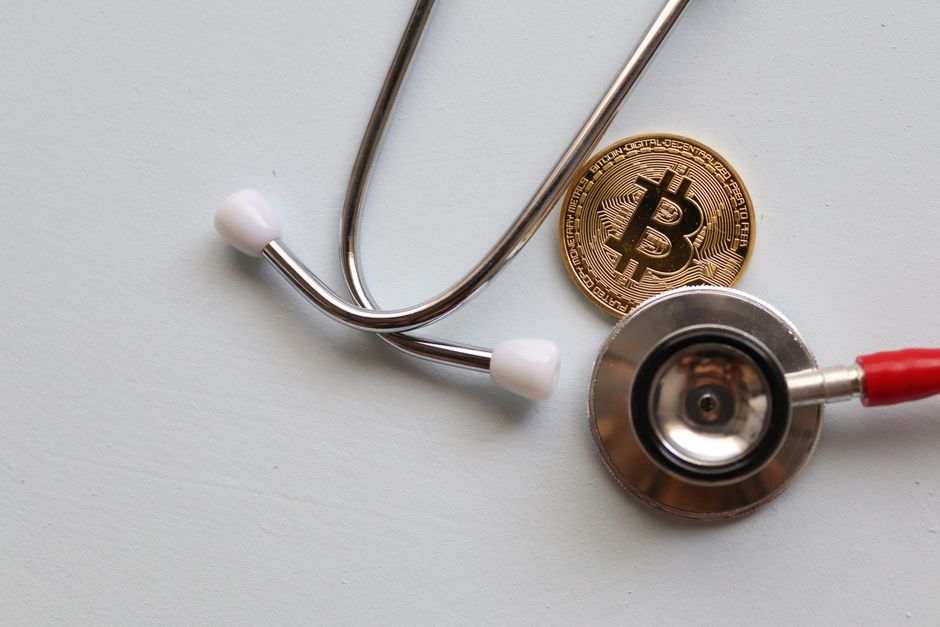
Blockchain is a shared digital record that many computers maintain at once, so no single party can quietly change what it says. In healthcare, it is used mainly for supply chain tracking, consent management, and credential verification. It is not a cure for fragmented medical records, and it cannot make bad data trustworthy. Most large health systems are still running pilots, not full deployments.
What Is Blockchain In Healthcare Uses And Limitations?
The focus keyphrase asks a fair question, so here is the plain version. A blockchain is a ledger — a running list of records — that is copied across many computers instead of sitting in one database. When someone adds a new entry, the network agrees on it first, and the entry is cryptographically linked to the ones before it. Changing an old entry would require redoing all the work that came after it, across most of the network at once.
That design gives three properties people care about:
- Immutability — entries are effectively permanent once confirmed
- Transparency — participants can see the same record
- Distributed control — no single administrator holds all the power
Those properties are genuinely useful in some healthcare settings. They are also a poor fit for others. A hospital record is not a currency transaction. It gets corrected constantly — a wrong allergy, a mislabeled specimen, a diagnosis later revised. A system designed to make records permanent creates real problems when the record was wrong to begin with.
That tension is the heart of the blockchain-in-healthcare story. The technology is real. The fit is narrow.
How Does Blockchain Actually Work In Simple Terms?
Think of a shared Google Doc that thousands of people can read, but nobody can delete a line from. Each new line is stamped with a code derived from the line before it. If someone tried to alter page 40, every page after it would stop matching, and the network would reject the change.
Two main types exist, and the difference matters in healthcare:
- Public blockchains — anyone can join and read the ledger. Bitcoin and Ethereum are examples. Fully open, but slow and expensive for high-volume use.
- Permissioned blockchains — only approved participants can join. Most healthcare projects use this type because patient data cannot be public.
Here is the part many articles skip: a permissioned blockchain is not that different from a shared database with strong audit logging. The distributed trust model adds value when multiple organizations that do not fully trust each other need one agreed record. When a single hospital controls everything, a normal database is usually faster, cheaper, and easier to fix.
That is not a knock on blockchain. It is a recognition that the technology solves a specific problem — coordination between parties without a central authority — and healthcare often already has a central authority in the form of the hospital or health system.
What Are The Main Healthcare Uses Today?
Supply chain tracking is the clearest real-world use. Drug counterfeiting is a documented global problem, and tracing a medication from manufacturer to pharmacy requires exactly what blockchain offers: a shared, tamper-evident record that multiple companies can trust.
The US Drug Supply Chain Security Act requires electronic, interoperable tracking of prescription drugs through the supply chain. Some companies have built blockchain-based systems to meet that requirement, though not all use blockchain — the law specifies the outcome, not the technology.
Other active areas include:
- Consent management — recording who authorized access to which records, and when
- Provider credentialing — verifying licenses and qualifications across institutions
- Clinical trial data — creating a tamper-evident log of trial results and protocol changes
- Claims and billing — reducing disputes by giving payer and provider one shared record
- Medical research data sharing — letting patients contribute data with tracked permissions
Note what is missing from that list: storing the actual medical record on a blockchain. That is rare in practice, and for good reason. Blockchains are poor at storing large files, and permanently publishing protected health information would create serious legal problems under HIPAA. Most designs store only a cryptographic “fingerprint” of a record on-chain and keep the record itself in a conventional, access-controlled database.





Why Isn’t Blockchain Widely Used In Healthcare Yet?
Adoption has been slow, and the reasons are practical rather than technical.
Interoperability is the biggest barrier. Health systems use hundreds of different electronic record products that do not talk to each other well. Blockchain does not fix that. It assumes the data is already standardized and shareable. It is not.
Privacy law is a genuine constraint. HIPAA and similar rules require strict control over who can access patient data and the ability to correct errors. An immutable ledger where a mistake cannot be deleted conflicts with that requirement, so designs have to work around it.
Governance is unresolved. Who decides which organizations can join a health blockchain? Who sets the rules? Who pays for it? These questions have no clean technical answer, and they are usually what stalls a pilot.
Cost and speed. Distributed consensus is slower and more resource-intensive than a standard database. For most healthcare tasks, that overhead buys nothing the organization needs.
There is also a quieter problem: the evidence base for outcomes is thin. Most published work describes system design or small pilots. Large trials showing that blockchain improves patient outcomes, reduces costs, or prevents errors at scale are largely absent. That does not mean the technology fails — it means the claims have outrun the proof.
What Are The Limitations And Risks?
The limitations fall into a few categories.
Garbage in, garbage out. A blockchain verifies that a record has not been changed since it was written. It says nothing about whether the record was correct when written. If a clinician enters the wrong blood type, the blockchain will faithfully preserve that error forever. This is the single most misunderstood point about blockchain in any industry.
Immutability versus the right to correction. Patients have legal rights to amend their records. A system that cannot delete or alter entries has to layer correction on top — adding a new entry that supersedes the old one — which adds complexity and can confuse readers.
Scalability. Public blockchains process a small fraction of the transactions a hospital system generates daily. Permissioned chains do better, but still lag conventional databases.
Key management. If access depends on cryptographic keys and a key is lost or stolen, the consequences can be severe. Healthcare has not solved this at scale.
Regulatory uncertainty. Rules around blockchain-based health data are still developing, and requirements differ by state and country.
None of these are reasons to dismiss the technology. They are reasons to be skeptical of anyone claiming blockchain will transform healthcare soon.
How Does Blockchain Compare To A Standard Database?
The comparison is worth spelling out because it clarifies when blockchain makes sense.
| Feature | Standard database | Permissioned blockchain |
|---|---|---|
| Who controls it | One organization | Multiple organizations |
| Editing records | Straightforward | Effectively permanent |
| Speed | Fast | Slower |
| Cost | Lower | Higher |
| Trust model | Trust the administrator | Trust the network |
| Best fit | Single-organization records | Multi-party shared records |
The pattern is clear. If one organization owns the data, a standard database wins on nearly every measure. If several organizations that do not fully trust each other need one agreed record — drug supply chains being the clearest example — blockchain’s tradeoffs start to pay off.
That is a narrow window, and it explains why healthcare adoption has been concentrated in supply chain and credentialing rather than patient records.
What Should Patients And Professionals Expect Going Forward?
Expect continued pilots, not a sudden shift. Supply chain tracking and credential verification are the areas most likely to see real deployment, because they involve multiple parties, clear rules, and no direct patient data.
Expect patient records to stay in conventional systems for the foreseeable future. The technical, legal, and governance barriers are substantial, and no clear path through them has emerged.
Expect the word “blockchain” to keep appearing in marketing for health products. Some of those products use it meaningfully. Many use it as a label. A useful test: ask what specific problem the distributed ledger solves that a normal database could not. If there is no clear answer, the blockchain part is probably decoration.
The honest summary is that blockchain is a real technology with real but limited applications in healthcare. It is not a fix for fragmented records, and it cannot make unreliable data reliable. It is one tool among several, and it fits a narrower set of problems than the hype suggests.
Frequently Asked Questions
Is patient medical data stored on a blockchain?
Rarely. Most systems store only a cryptographic fingerprint on-chain and keep the actual record in a conventional, access-controlled database, partly because HIPAA and similar laws make permanent public storage impractical.
Can blockchain fix problems with electronic health records?
No. Blockchain assumes data is already standardized and shareable, and it cannot resolve the interoperability gaps between different electronic record systems that cause most record-sharing problems.
Is blockchain in healthcare proven to improve patient outcomes?
No large trials have confirmed that blockchain improves patient outcomes at scale. Most published work describes system designs or small pilots rather than measured clinical results.
What is the biggest limitation of blockchain in healthcare?
Immutability. A blockchain permanently preserves whatever was entered, including errors, which conflicts with legal requirements that patients be able to correct their records.
