
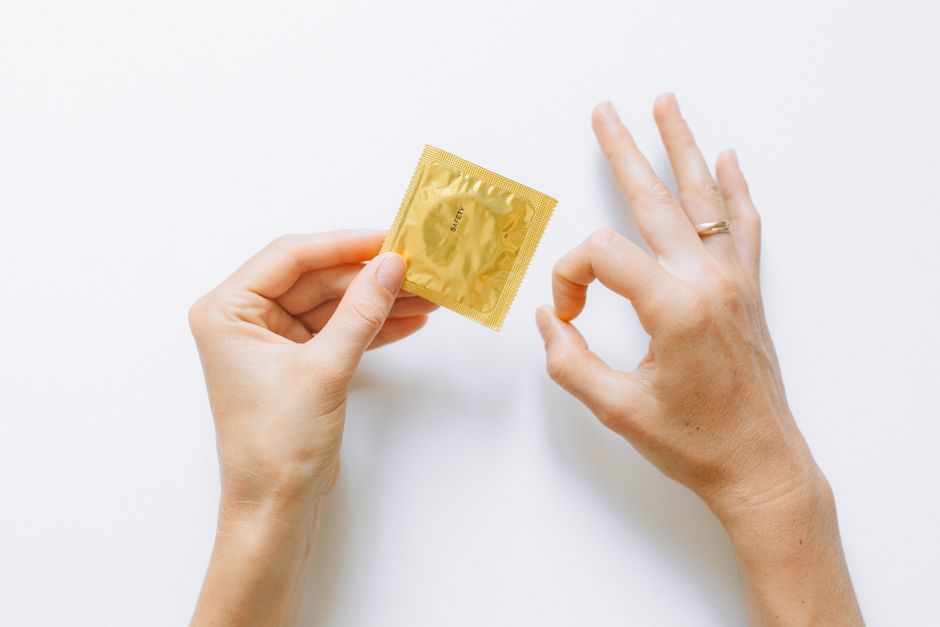
Most people learn about birth control in the context of preventing pregnancy. That is its primary purpose, and hormonal contraceptives are highly effective at it when used correctly. But pregnancy prevention is not the only reason millions of people take them.
Birth control is also used to manage menstrual pain, heavy bleeding, acne, hormonal conditions like endometriosis and PCOS, and to reduce the risk of certain cancers. Some people take it to skip periods entirely, or to control symptoms that have nothing to do with reproduction. In fact, a significant share of prescriptions are written for reasons other than contraception.
Here is what the evidence actually supports, what it does not, and where the lines between proven benefit and marketing claim get blurry.
What Is Birth Control Used For Not Just Pregnancy?
Hormonal contraceptives — pills, patches, rings, injections, implants, and hormonal IUDs — work by delivering synthetic versions of estrogen and progestin, or progestin alone. These hormones suppress ovulation and thicken cervical mucus, but they also affect the lining of the uterus, the ovaries, and the hormonal feedback loop between the brain and reproductive organs. Those secondary effects are what make them useful for conditions beyond pregnancy prevention.
The copper IUD works differently. It does not contain hormones. It releases copper ions that are toxic to sperm and create an inflammatory response in the uterus. Its non-contraceptive uses are more limited, though it can be used for emergency contraception and some clinicians use it to manage heavy bleeding — though the evidence for that specific use is mixed.
Broadly, non-contraceptive uses fall into a few categories:
- Managing menstrual symptoms — pain, heavy bleeding, irregular cycles
- Treating hormonal conditions — endometriosis, PCOS, acne, PMDD
- Reducing cancer risk — specifically ovarian and endometrial cancer
- Managing symptoms unrelated to reproduction — migraines, bone health, skin
- Lifestyle and convenience — skipping periods, reducing frequency
Each of these has a different level of evidence behind it. Some are well established. Others are reasonable clinical practice with less definitive research.
How Does Birth Control Help With Period Pain and Heavy Bleeding?
Menstrual pain — dysmenorrhea — is caused primarily by prostaglandins, chemicals the uterus releases to help it shed its lining. Higher prostaglandin levels cause stronger contractions and more pain. Hormonal contraceptives reduce the thickness of the uterine lining, which means less tissue to shed and fewer prostaglandins released. That is why they often reduce cramping.
Combined hormonal contraceptives are considered a first-line treatment for primary dysmenorrhea in many clinical guidelines. This is well established. Research consistently shows they reduce pain compared to placebo.
For heavy menstrual bleeding — defined clinically as more than 80 mL of blood loss per cycle, though most people cannot measure this and instead notice clots, flooding, or needing to change protection every hour — hormonal contraceptives are also commonly used. The levonorgestrel-releasing IUD (Mirena and generic equivalents) has the strongest evidence for this. It thins the uterine lining directly and can reduce bleeding substantially. Some studies show it reduces blood loss by more than 80% in people with heavy bleeding, though individual results vary.
This is not a minor point. Heavy menstrual bleeding affects roughly one in four people who menstruate at some point, and it is a leading reason for iron deficiency anemia. Using hormonal contraception to manage it is not just about convenience. It is a legitimate medical treatment.
Can Birth Control Treat Endometriosis and PCOS?
Endometriosis is a condition where tissue similar to the uterine lining grows outside the uterus. It causes pain, inflammation, and sometimes scarring. There is no cure. Hormonal contraceptives do not eliminate the condition, but they can reduce pain and slow progression by suppressing the hormonal cycle that feeds the misplaced tissue.
Combined hormonal contraceptives are commonly prescribed for endometriosis pain. The evidence supports their use for symptom management, though not all patients respond equally. Some need other hormonal treatments — progestin-only options, GnRH agonists, or surgery. The evidence is strongest for reducing pain, weaker for preventing recurrence after surgery.
PCOS — polycystic ovary syndrome — is a hormonal disorder characterized by irregular periods, elevated androgens, and often insulin resistance. Combined hormonal contraceptives are a standard treatment. They regulate cycles, reduce androgen levels, and improve acne and excess hair growth. This is well established in clinical practice.
What birth control does not do for PCOS is address the underlying metabolic issues. It manages symptoms. It does not treat the root cause, which often involves insulin resistance and requires separate management.




Does Birth Control Help With Acne and Skin Conditions?
Acne is driven partly by androgens — hormones like testosterone that increase oil production and clog pores. Combined hormonal contraceptives reduce androgen levels and increase a protein called sex hormone-binding globulin, which binds to free testosterone and makes it less active. The result can be less acne.
The FDA has approved certain combined oral contraceptives specifically for acne treatment. This is not off-label use. It is an approved indication. That said, not all hormonal contraceptives help acne. Some progestin-only methods, particularly those containing certain types of progestins, can worsen it. The type of progestin matters.
For people with acne who also need contraception, a combined pill with a low-androgenic progestin is often a reasonable choice. But for acne alone, without a need for contraception, other treatments — topical retinoids, antibiotics, isotretinoin — may be more appropriate. Birth control is not a first-line acne treatment for everyone.
Does Birth Control Reduce Cancer Risk?
This is one of the most well-established non-contraceptive benefits. Combined oral contraceptives reduce the risk of ovarian cancer and endometrial cancer. The reduction in ovarian cancer risk is substantial and appears to persist for years after stopping the pill. Research published in the Lancet and other major journals has consistently shown this association across large populations.
The mechanism is thought to involve suppression of ovulation. Each ovulation causes cell division and repair in the ovarian surface, which creates opportunities for mutations. Fewer ovulations means fewer opportunities. The same logic applies to endometrial cancer — thinning the uterine lining reduces cell turnover that could lead to cancerous changes.
But there is a tradeoff. Combined hormonal contraceptives are associated with a small increase in breast cancer risk while taking them, and a small increase in cervical cancer risk. These risks appear to decline after stopping. The evidence on how long they persist is mixed.
The net effect on overall cancer risk is complex and depends on individual factors — age, family history, duration of use, and which formulation. This is not a reason to take birth control. It is a factor to discuss with a clinician if you are already considering it.
What About Migraines, Bone Health, and Other Uses?
Hormonal contraceptives are sometimes used to manage menstrual migraines — migraines that occur in a pattern tied to the menstrual cycle. Continuous use, where someone skips the placebo week and avoids hormone withdrawal, can reduce frequency. But this is where caution matters.
Combined hormonal contraceptives are generally not recommended for people who have migraines with aura. The concern is stroke risk. This is an established contraindication in most clinical guidelines. Progestin-only methods are often considered safer for this group, though the evidence on migraine treatment with progestin-only methods is less robust.
For bone health, the picture is mixed. Depo-Provera (the injectable) is associated with decreased bone mineral density with long-term use, particularly in adolescents. Whether this leads to increased fracture risk later is not fully clear. The FDA added a black box warning about this. Other hormonal methods do not appear to have the same effect.
Some people use hormonal contraceptives to manage premenstrual dysphoric disorder (PMDD), a severe form of PMS. Certain formulations — particularly those containing drospirenone — have evidence supporting this use. The FDA has approved at least one combined oral contraceptive for PMDD. The evidence is moderate, not overwhelming.
What Are the Limits of the Evidence?
Not every claimed benefit is well supported. Some uses are based on biological reasoning rather than clinical trials. Some are widely done in practice but lack strong evidence.
For example, using birth control to manage perimenopausal symptoms is common but not well studied. Using it for mood symptoms outside of PMDD is not strongly supported. Using it to prevent ovarian cysts in PCOS is reasonable but the evidence is not definitive.
The key distinction is between:
- Established uses — backed by clinical trials and guidelines (period pain, heavy bleeding, endometriosis pain, acne, cancer risk reduction)
- Common practice — widely done but with less definitive evidence (perimenopausal symptoms, some mood symptoms)
- Marketing or anecdotal — no strong evidence (using birth control for weight loss, “hormone balancing” without a diagnosed condition)
If a clinician recommends birth control for a reason not listed here, it does not mean the recommendation is wrong. It means the evidence base may be thinner. Ask what the evidence shows. Ask what alternatives exist. Ask what happens if you do not take it.
Birth control is a tool with many uses. Some are proven. Some are promising. Some are not. Knowing the difference is the point.
Frequently Asked Questions
Can birth control be used for reasons other than preventing pregnancy?
Yes. Hormonal contraceptives are commonly prescribed to manage menstrual pain, heavy bleeding, acne, endometriosis, and PCOS. They also reduce the risk of ovarian and endometrial cancer.
Does birth control stop your period?
It can. Continuous use of hormonal contraceptives — skipping the placebo week — can eliminate withdrawal bleeding entirely. This is safe for most people and is sometimes recommended for medical reasons.
Is it safe to take birth control if you are not sexually active?
Yes. Birth control is a medical treatment, not just a contraceptive. Many people take it solely for symptom management. The risks and benefits are the same regardless of sexual activity.
Does birth control help with PCOS symptoms?
Yes. Combined hormonal contraceptives regulate periods, reduce androgen levels, and improve acne and excess hair growth in people with PCOS. They manage symptoms but do not treat the underlying metabolic causes.
