
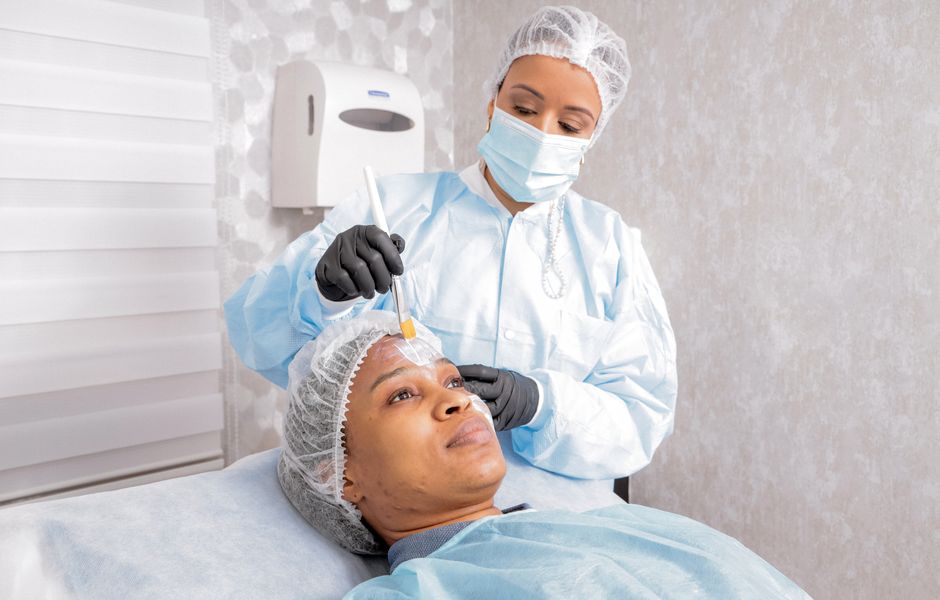
A “bio hair procedure” usually refers to a non-surgical hair replacement system that uses natural human hair attached to a thin membrane or mesh. It is glued or taped to the scalp to blend with your existing hair. Unlike a hair transplant, which is surgery, a bio hair system is a cosmetic appliance you wear. The results look immediate and natural, but the longevity depends on how well you maintain it and how your scalp reacts. The main risks include skin irritation, adhesive allergies, and potential traction damage to your existing hair if the system is heavy or fitted poorly.
How Long Does a Bio Hair Procedure Last?
The system itself can last anywhere from 6 to 12 months with proper care. That is the lifespan of the hair and the base material before they start to degrade. The hair can dry out, and the membrane or mesh can lose its shape or become brittle over time.
However, the attachment is not permanent. You will need to have the system removed, cleaned, and re-applied every 3 to 6 weeks. This is called a maintenance appointment. A professional does this to ensure the adhesive bonds correctly and to check the health of your scalp underneath. Skipping these appointments can shorten the life of the unit and increase the risk of skin problems.
What Are the Main Risks of a Bio Hair Procedure?
The most common risk is contact dermatitis. This is a red, itchy, or inflamed rash caused by the adhesive or the tape used to hold the system in place. Some people are allergic to cyanoacrylate, which is a common ingredient in medical-grade glues used for this purpose. Others react to the solvents used to remove the system.
Another risk is traction alopecia. This is hair loss caused by constant pulling on the hair follicles. If the bio hair system is too heavy, or if it is attached to your own hair rather than the scalp, the weight can pull out your natural hair over time. This type of hair loss can be permanent if the follicle is damaged.
There is also a risk of infection. If moisture gets trapped between the system and the scalp, bacteria or fungi can grow. This is more likely if the system is not removed and cleaned often enough. Keeping the scalp dry and clean is essential to prevent this.
Does the Procedure Damage Your Natural Hair?
It can, but it does not have to. The key factor is where the system is attached. A well-fitted system is attached to the scalp, not to your existing hair. If it is glued to your natural hair strands, every time the system is removed, it will pull on those strands.
Over months and years, this repeated pulling weakens the hair shaft and the follicle. This can lead to thinning and breakage. If you already have a sensitive scalp or a history of hair loss, you may be more vulnerable to this damage. A skilled technician will assess your hair density and scalp condition before recommending this procedure.





What Happens During the Application and Removal?
Application usually takes 2 to 3 hours. The technician will shave or trim a small area of your scalp where the system will sit. This creates a flat surface for the adhesive. The system is then pressed onto the scalp and blended with your existing hair.
Removal takes about 30 to 45 minutes. A solvent is applied to break down the adhesive. The system is lifted off, and the residual glue is dissolved from the base of the unit and from your scalp. Your scalp is then cleansed and treated before a new system or the same system is re-applied.
This process is not painful, but it can cause mild discomfort if the adhesive is strong or if the solvent irritates your skin. Some people describe a burning or stinging sensation during removal. This usually fades quickly but should be reported to your technician.
Who Is a Good Candidate for a Bio Hair Procedure?
Good candidates are people with enough donor hair to blend with the system. You need some natural hair around the edges of the system to hide the seams. If you have complete baldness on the sides and back of your head, the system will look obvious.
People with active skin conditions like psoriasis or severe eczema on the scalp should generally avoid this procedure. The adhesive and the occlusion can worsen these conditions. Similarly, if you have a known allergy to adhesives or latex, you should seek allergy testing before committing to a system.
Your lifestyle matters too. If you swim frequently, sweat heavily during exercise, or work in dusty environments, the system may need more frequent maintenance. The adhesive can break down faster under these conditions.
Bio Hair Procedure vs. Hair Transplant
These are two completely different approaches to hair loss. A hair transplant is a surgical procedure. Hair follicles are moved from the back of the head to thinning areas. The results are permanent and require no daily maintenance. The cost is higher, and there is a recovery period of several days.
A bio hair system is non-surgical. It provides immediate density and can cover large areas of baldness. The cost is lower upfront, but you must budget for ongoing maintenance every few weeks. Over a period of 5 to 10 years, the cumulative cost of a bio hair system can equal or exceed the cost of a transplant.
Neither option is inherently better. A transplant is a permanent solution for people with sufficient donor hair. A bio hair system is a flexible option for those who want immediate results without surgery or who are not candidates for a transplant.
What Is Bio Hair Procedure Longevity And Risks Compared to Other Options?
Compared to wigs and toupees, a bio hair system is more secure and looks more natural. It is bonded to the scalp, so it will not shift during physical activity. However, it requires more professional care. A wig can be removed and cleaned by the wearer at home. A bio hair system generally requires a technician for removal and re-application.
Compared to topical treatments like minoxidil or finasteride, the bio hair system gives instant cosmetic results. Medications take months to show any effect and do not work for everyone. But medications treat the underlying hair loss process, while a bio hair system only covers it. Many people use both approaches together.
The longevity of a bio hair system is shorter than a transplant, which is permanent once healed. But it is longer than a single application of a topical fiber product, which lasts only until the next wash. The choice depends on your budget, your hair loss pattern, and your tolerance for maintenance.
How to Reduce the Risks of a Bio Hair Procedure
Choose a provider with experience. Ask to see before-and-after photos of clients who have worn systems for more than a year. A good provider will do a patch test on your skin before the full application. This test checks for allergic reactions to the adhesive.
Follow the maintenance schedule strictly. Do not leave the system on longer than recommended. Most professionals advise removal every 3 to 6 weeks. Leaving it longer increases the risk of infection and makes removal harder.
Give your scalp a break. Some professionals recommend going without the system for a day or two between applications. This allows the skin to breathe and reduces the risk of irritation. If your scalp becomes red, sore, or itchy, remove the system and see a dermatologist before re-applying.
Frequently Asked Questions
Can a bio hair procedure cause permanent hair loss?
Yes, if the system is attached to your natural hair and pulls on it over time, this can cause traction alopecia, which may be permanent. A properly fitted system attached to the scalp reduces this risk significantly.
How often do you need to replace a bio hair system?
Most systems last 6 to 12 months before the hair or base material degrades. You will still need maintenance appointments every 3 to 6 weeks for removal and re-application.
Is a bio hair procedure painful?
Application is not painful, but some people feel a burning or stinging sensation during removal when the adhesive solvent is applied. This usually fades quickly.
Can you swim or exercise with a bio hair system?
Yes, but heavy sweating and chlorine can weaken the adhesive faster. You may need more frequent maintenance if you swim or exercise regularly.
