
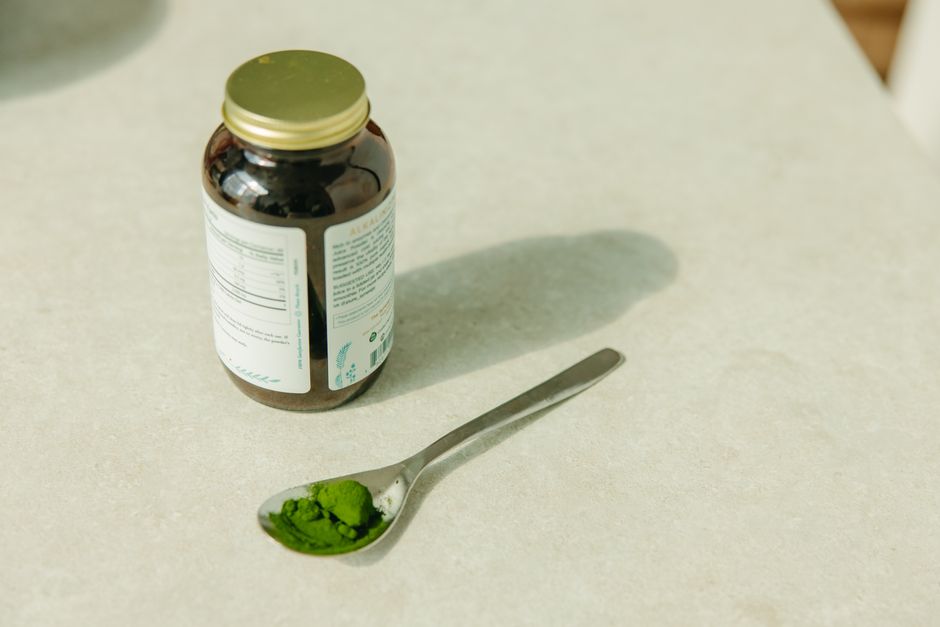
Indigo powder is generally safe for most people to use on their hair, but it comes with real risks you should know about before you start. The main concerns are allergic reactions, skin irritation, and the fact that it stains everything it touches. When used correctly, indigo powder is a plant-based hair dye that darkens hair and can cover gray, but it is not a treatment for hair health.
What Is Indigo Powder and How Does It Work on Hair?
Indigo powder comes from the leaves of the Indigofera tinctoria plant. People have used it for centuries as a natural blue dye for fabrics. On hair, it works differently than chemical dyes. It coats the outside of the hair shaft rather than penetrating deep into the cortex.
Indigo on its own produces a blue-green tone. That is why it is almost always combined with henna powder. Henna gives a red-orange base, and indigo adds the blue tones that create brown to black shades. The two powders are mixed together, or applied in sequence, to achieve darker colors.
The color result depends heavily on your starting hair color, the quality of the powder, and how long you leave it on. Darker hair will simply get darker. Lighter hair can turn a deep brown or black. Gray hair takes indigo well but may need multiple applications to reach full coverage.
Is Indigo Powder Safe For Hair Risks And Benefits?
Indigo powder is safe for hair in the sense that it does not contain the harsh chemicals found in many commercial dyes. No ammonia. No peroxide. No synthetic colorants. For people with sensitive scalps who react to chemical dyes, indigo can be a gentler option.
The benefits are mostly cosmetic. It darkens hair, covers gray, and does not damage the hair shaft the way bleach or permanent dye can. Some people report that their hair feels thicker or stronger after using indigo, but this is likely because the powder coats the hair and adds temporary bulk. It is not a sign of actual hair repair.
Indigo does not stimulate hair growth. It does not prevent hair loss. It does not nourish the scalp. If you are looking for those effects, indigo is not the answer. The benefits are purely about color.
Who Should Avoid Indigo Powder?
Anyone with a known allergy to indigo or to plants in the legume family should avoid it. Indigo is a legume, so people with severe peanut or soybean allergies may want to be cautious. This is not a proven cross-reaction for everyone, but it is worth discussing with an allergist if you have serious legume allergies.
People with psoriasis, eczema, or open wounds on the scalp should not use indigo powder. The application process involves scrubbing the powder into the scalp, which can irritate already sensitive skin. Even without a diagnosed skin condition, some people develop contact dermatitis from indigo.
Pregnant and breastfeeding women should check with their doctor before using indigo. There is no strong evidence that indigo is harmful during pregnancy, but there is also no solid research confirming it is safe. The lack of data means caution is the responsible choice.





What Are the Known Risks and Side Effects?
The most common side effect is skin irritation. Redness, itching, and a burning sensation can occur on the scalp, forehead, ears, and neck. This is more likely if you leave the powder on too long or if you have sensitive skin.
Allergic reactions are less common but possible. Symptoms can include swelling, hives, and difficulty breathing in severe cases. If you experience any of these, wash the powder off immediately and seek medical help if symptoms are serious.
Eye irritation is a real concern. Indigo powder is a fine dust that can easily get into your eyes during mixing and application. It can cause stinging, redness, and temporary blurred vision. Wear protective eyewear if you can, and rinse your eyes with clean water immediately if powder gets in them.
Indigo stains skin and surfaces aggressively. It can take days for the color to fade from your skin, and it can permanently stain clothing, towels, and bathroom fixtures. The staining is not a health risk, but it is a practical problem many people do not expect.
How to Use Indigo Powder Safely
Before applying indigo to your hair, do a patch test. Mix a small amount of the powder with water, apply it to a small area of skin behind your ear or on your inner arm, and wait 24 to 48 hours. If you develop redness, itching, or swelling, do not use indigo on your hair.
Wear gloves during application. Use an old towel and protect your shoulders with a plastic cape or garbage bag. Apply petroleum jelly around your hairline, ears, and neck to prevent staining on your skin.
Follow the mixing instructions that come with your specific product. Indigo powder is often mixed with water to form a paste, but some products require additional ingredients. The consistency matters. A paste that is too thin drips and runs. A paste that is too thick does not spread evenly.
Do not leave indigo on your hair longer than the instructions recommend. Leaving it on longer does not make the color darker or longer-lasting. It only increases your risk of skin irritation.
Indigo Powder vs. Chemical Hair Dye
Chemical hair dyes and indigo powder serve the same purpose but work in completely different ways. Chemical dyes penetrate the hair shaft and change the color from within. Indigo coats the outside of the hair shaft.
This difference matters for several reasons. Chemical dyes can cover gray more reliably and offer a wider range of colors. They also last longer on the hair. Indigo fades over time, typically within four to six weeks, and requires reapplication to maintain the color.
Chemical dyes carry their own risks. They contain ingredients like paraphenylenediamine (PPD) that cause allergic reactions in some people. They can also damage hair with repeated use because they strip the hair of moisture and protein.
Indigo powder is gentler on the hair itself, but it is not risk-free. The trade-off is between chemical exposure and the practical challenges of a natural dye that stains, fades, and requires more effort to apply.
Does Indigo Powder Interact With Other Hair Products?
Indigo can react unpredictably with hair that has been previously treated with chemical dyes or relaxers. The color result may be uneven or different from what you expect. If your hair has been chemically treated, consider doing a strand test first.
Do not use indigo immediately after a chemical treatment. Your hair and scalp need time to recover. Most experts recommend waiting at least two weeks between a chemical treatment and using indigo.
Metallic hair dyes, sometimes found in progressive or gradual hair color products, can react badly with indigo. The combination can produce unusual colors or damage the hair. If you have used a metallic dye recently, avoid indigo.
Some people use indigo alongside henna. This is standard practice and generally safe. The two powders complement each other well. Just be aware that henna is permanent and cannot be removed easily. If you dye your hair with henna and indigo, you are committing to that color for a long time.
How to Choose a Quality Indigo Powder
Quality varies significantly between brands. Look for indigo powder that is 100 percent pure with no added chemicals or fillers. The powder should be finely ground and a consistent green or blue-green color.
Check for freshness. Indigo powder loses its dyeing power over time. A product that has been sitting on a shelf for years will not produce the same results as a fresh batch. Buy from reputable brands that clearly label their harvest dates.
Read reviews from other users. People are often honest about staining, color results, and skin reactions. Look for patterns in the reviews rather than relying on a single opinion.
Organic certification is a plus but not a guarantee of quality. Organic indigo is grown without synthetic pesticides, which is better for the environment and potentially safer for you. But organic certification does not guarantee that the powder will dye your hair well.
Can You Use Indigo Powder on Other Parts of the Body?
Indigo is sometimes used on eyebrows and beards, but this carries higher risk because these areas are close to your eyes and mouth. The skin there is also more sensitive than the scalp. If you choose to do this, be extremely careful and keep the powder away from your eyes and lips.
Some people use indigo as a temporary tattoo or body art. This is not recommended. The skin on the body reacts differently than the scalp, and the risk of allergic reaction or irritation is higher. No clinical guidelines exist for this use.
Indigo is not approved for use on eyelashes or eyebrows in commercial products. Do not use loose powder near your eyes. If you want to dye your eyebrows, use a product specifically designed for that purpose.
Frequently Asked Questions
Can indigo powder cause hair loss?
No evidence links indigo powder to hair loss. If you experience shedding after using indigo, it is more likely due to scalp irritation or an allergic reaction than the powder itself damaging hair follicles.
How long does indigo powder last on hair?
Indigo typically lasts four to six weeks before fading. The color fades gradually, and gray hairs become visible again as the indigo washes out.
Can I use indigo powder if I have sensitive skin?
You can, but you must do a patch test first. Sensitive skin increases your risk of irritation, so test a small area and wait 24 to 48 hours before applying it to your full scalp.
Does indigo powder cover gray hair?
Yes, indigo covers gray hair effectively, especially when combined with henna. Gray hair may require multiple applications to achieve full, even coverage.
