
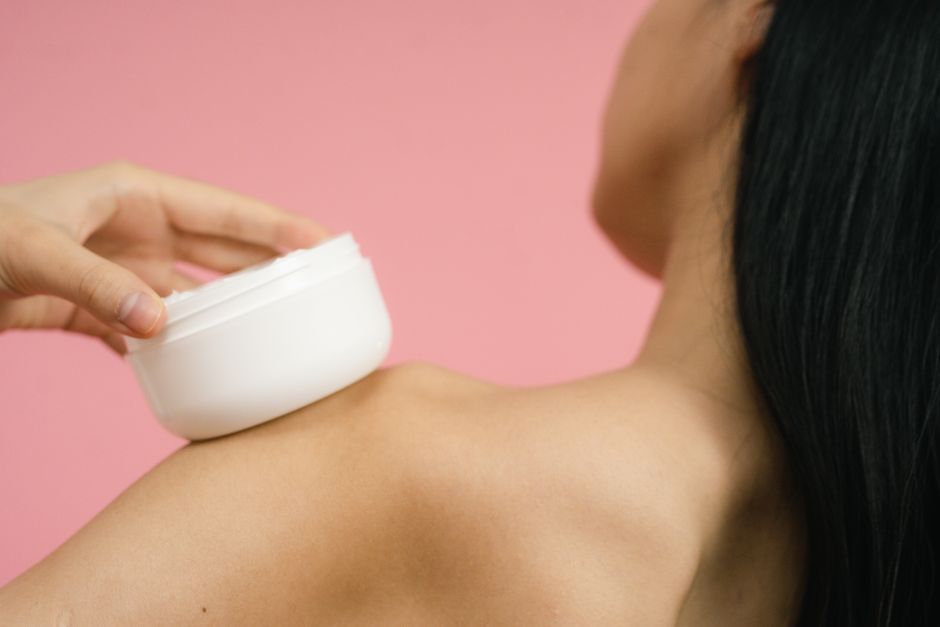
BB cream stands for “beauty balm” or “blemish balm.” It is a multi-purpose cosmetic product that combines moisturizer, sunscreen, primer, foundation, and sometimes skincare ingredients into one tube. Originally developed in Germany by dermatologists in the 1960s for patients recovering from facial procedures, BB cream became a global phenomenon after exploding in popularity in South Korea and later the United States.
What Exactly Is in BB Cream?
BB cream typically contains a mix of skincare and cosmetic ingredients. Most formulas include a physical sunscreen like zinc oxide or titanium dioxide. They also contain moisturizing agents such as glycerin, hyaluronic acid, or dimethicone. Pigments provide light to medium coverage, and antioxidants like vitamin E or niacinamide are common additions.
Some BB creams include anti-aging ingredients like peptides or retinol. Others add brightening agents such as vitamin C or licorice root extract. The exact formula varies widely by brand. A 2019 analysis published in the Journal of Cosmetic Dermatology found that BB creams from different manufacturers varied significantly in their active ingredient concentrations and SPF levels.
The key distinction between BB cream and a standard tinted moisturizer is that BB cream usually contains at least one active skincare ingredient. Tinted moisturizer is just moisturizer with color. BB cream is marketed as a treatment product that also provides coverage.
What Is BB Cream Actually Supposed to Do?
BB cream claims to do multiple things at once. It moisturizes the skin. It protects from UV damage. It evens out skin tone. It covers minor imperfections. And it may treat the skin over time with active ingredients. That is a lot to ask from one product.
Research on whether BB creams deliver on all these promises is mixed. A 2020 study in Dermatology and Therapy tested 15 popular BB creams for SPF protection. Only 8 provided the level of sun protection stated on the label. The others fell short by 30 percent or more. This matters because many people rely on BB cream as their only sun protection.
The moisturizing function is more reliable. Most BB creams contain humectants that pull water into the skin. A small 2018 study found that participants who used a BB cream daily for four weeks had 12 percent higher skin hydration levels compared to those using a standard foundation. The coverage level is generally light to medium. Do not expect BB cream to hide severe acne or dark spots the way a full-coverage foundation can.
How Is BB Cream Different From CC Cream and Foundation?
CC cream stands for “color correcting” or “complexion correcting” cream. It is a newer product that focuses more on correcting redness, sallowness, or uneven pigmentation. CC cream usually has a thinner texture than BB cream and provides less moisturization. It also tends to have more pigment for better coverage of discoloration.
Foundation is the most straightforward product in this category. It is designed primarily for coverage. Foundation contains the highest concentration of pigments and the fewest skincare ingredients. Most foundations offer zero SPF protection unless specifically labeled as such.
| Product | Primary Function | Coverage Level | Skincare Ingredients | SPF Typical |
|---|---|---|---|---|
| BB Cream | Multi-purpose | Light to medium | Yes, multiple | 15-30 |
| CC Cream | Color correction | Medium | Yes, fewer | 15-30 |
| Foundation | Coverage | Medium to full | Rarely | None unless labeled |
| Tinted Moisturizer | Light coverage + hydration | Sheer to light | Sometimes | Usually none |
If your main concern is evening out skin tone while getting some sun protection and hydration, BB cream is a reasonable choice. If you need to cover significant redness or dark spots, a CC cream or foundation may work better. If you want maximum sun protection, do not rely on any of these products alone. Use a separate sunscreen underneath.





Does BB Cream Work for Different Skin Types?
BB cream can work for most skin types, but the formula matters. People with dry skin should look for BB creams that list hyaluronic acid, glycerin, or squalane high in the ingredients. These ingredients hold moisture. People with oily skin should look for oil-free or “matte” formulas. Silica or dimethicone can help control shine.
Sensitive skin requires caution. BB creams contain more ingredients than standard foundation. More ingredients mean more potential irritants. Fragrance is a common trigger. A 2021 review in Contact Dermatitis found that fragrance was the second most common allergen in cosmetic products tested. If your skin reacts easily, choose a fragrance-free BB cream and patch test on your inner arm for three days before applying it to your face.
Acne-prone skin is a gray area. Some BB creams contain ingredients that can clog pores, like coconut oil or certain silicones. Others include salicylic acid or niacinamide that may help control breakouts. The American Academy of Dermatology recommends looking for “non-comedogenic” on the label. This means the product is less likely to block pores. But non-comedogenic is not a regulated term. It is a claim by the manufacturer.
What Are the Limitations of BB Cream?
The biggest limitation is that BB cream tries to do everything but may not do any one thing excellently. The SPF protection is often unreliable, as the 2020 study showed. The coverage is not heavy enough for significant skin concerns. The moisturization may not be sufficient for very dry skin without an additional moisturizer underneath.
Another issue is shade range. Many BB cream lines offer only three to five shades. This leaves a large portion of the population without a good match. Foundation lines typically offer 20 to 40 shades. If you have very fair or very deep skin, finding a BB cream that matches may be difficult.
BB cream also has a shorter shelf life than foundation. Because it contains active skincare ingredients and sometimes no preservatives, BB cream typically expires within 6 to 12 months after opening. Foundation can last 12 to 24 months. Using expired BB cream can cause skin irritation or breakouts.
How Should You Choose and Apply BB Cream?
Start by identifying your primary need. If sun protection matters most, choose a BB cream with SPF 30 or higher and zinc oxide or titanium dioxide as the active ingredient. If hydration is the goal, look for hyaluronic acid or glycerin in the top five ingredients. If you want anti-aging benefits, check for retinol, peptides, or vitamin C.
- Test the shade on your jawline, not your hand. The skin on your face and neck is a different color than your hand.
- Apply with clean fingers, a damp sponge, or a brush. Fingers warm the product and help it blend naturally.
- Use about a nickel-sized amount for your whole face. Too little and you lose SPF protection. Too much and it looks cakey.
- Wait two minutes before applying powder or other products. BB cream needs time to set.
- Reapply every two hours if you rely on it for sun protection. This is the same rule as sunscreen.
The FDA does not regulate BB cream as a drug unless it contains sunscreen ingredients that make SPF claims. When a BB cream claims SPF, the FDA considers it an over-the-counter drug and requires testing. But enforcement is inconsistent. A 2022 report from the Environmental Working Group found that 40 percent of SPF-labeled BB creams did not meet the FDA’s testing standards for sun protection. Buy from brands that publish their SPF testing results.
Common Misconceptions About BB Cream
One common myth is that BB cream replaces your entire skincare routine. It does not. BB cream is not a substitute for a dedicated moisturizer if your skin is dry. It is not a substitute for a dedicated sunscreen if you spend time outdoors. It is a convenience product that combines several steps into one, but each individual function is weaker than using separate products.
Another misconception is that BB cream works the same for everyone. Skin type, climate, and individual skin chemistry all affect how a BB cream performs. A formula that works well for someone in humid Miami may look greasy or slide off in dry Denver. The same product that hydrates one person may cause breakouts in another.
Some people believe that BB cream with SPF 30 provides full sun protection all day. This is false. Sunscreen must be reapplied every two hours. If you wear BB cream for eight hours at work, you are getting less than half the labeled SPF protection by the end of the day. The American Academy of Dermatology states that SPF protection decreases by about 50 percent after two hours of wear.
Frequently Asked Questions
Can I use BB cream without moisturizer?
Yes, if your BB cream contains moisturizing ingredients and your skin is not dry. People with dry skin should apply moisturizer first and let it absorb for two minutes before applying BB cream.
Does BB cream expire?
Yes, most BB creams expire 6 to 12 months after opening. Check the label for a small jar icon with a number followed by M, which indicates months of shelf life after opening.
Can men use BB cream?
Yes, BB cream is not gender-specific. Many brands offer neutral shades that provide subtle coverage without looking like makeup.
Is BB cream safe during pregnancy?
Most BB creams are safe, but check the ingredients. Avoid formulas with retinol or high-dose salicylic acid. Mineral sunscreens with zinc oxide or titanium dioxide are considered safe by the American College of Obstetricians and Gynecologists.
