
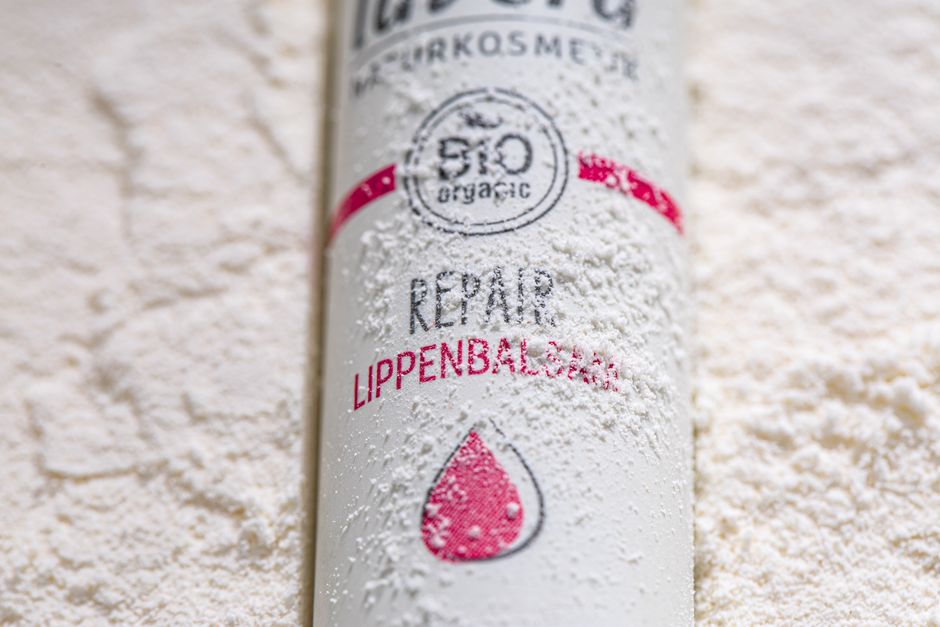
Balm is a thick, oily substance designed to protect, soothe, and moisturize skin, lips, and areas of pain. It works by creating a physical barrier that locks in moisture and shields against wind, cold, and friction. Unlike lotions that absorb quickly, balm stays on the surface to provide lasting relief.
What Exactly Is Balm and How Does It Work on Skin?
A balm is a semi-solid mixture of oils and waxes. Common bases include beeswax, shea butter, coconut oil, and petroleum jelly. The key is the high oil-to-water ratio — most balms contain almost no water at all.
This matters because dry skin happens when the outer layer loses water. Balm seals that water in. The National Eczema Association notes that ointments and balms are more effective than creams for very dry or cracked skin because they stay put longer and block moisture loss more completely.
Balm does not “heal” skin in the way a drug does. It creates the right environment for skin to repair itself. That distinction matters because many products claim to “repair” skin when they simply prevent it from drying out further.
What Is Balm Used For Skin Lips Pain More? The Real Applications
Balm has three main jobs: protection, moisture locking, and friction reduction. Here is how that plays out in real use.
Dry and chapped lips. Lip balm is the most common form. Lips lack oil glands, so they dry out fast. A balm with beeswax or lanolin stops that. Avoid balms with camphor or menthol for daily use — they can irritate over time.
Cracked hands and feet. People who wash hands often or work outdoors benefit from hand balm. It is thicker than lotion and lasts through hand washing better. Apply after washing while skin is still damp.
Minor cuts and scrapes. Petroleum-based balm keeps wounds moist, which research in the Journal of Wound Care found speeds healing compared to letting wounds dry out. But do not put balm on deep or infected wounds without medical advice.
Sore muscles and joints. Balms for pain contain ingredients like menthol, camphor, or capsaicin. These create a cooling or warming sensation that distracts the brain from deeper pain. The Arthritis Foundation says topical pain balms can help for arthritis in hands and knees, though results vary by person.
Diaper rash and baby care. Zinc oxide balms are standard for preventing diaper rash. They block moisture and protect skin from irritation. The American Academy of Pediatrics recommends them as a first-line option.
Does Research Support Balm for Pain Relief?
This is where the hype often outruns the evidence. Balms for pain do not treat the cause of pain — they change how you perceive it.
Menthol activates cold-sensitive receptors in the skin. Capsaicin depletes substance P, a chemical that sends pain signals. Both approaches have real but limited effects. A 2021 review in the journal Pain Medicine found that topical capsaicin provides modest relief for osteoarthritis and nerve pain. The effect is noticeable but not dramatic.
Some people report significant relief. Others feel nothing. That variation is normal and does not mean the product is fake. Pain perception is personal, and topical balms affect each person differently.
One thing is clear: balm will not fix muscle tears, fractures, or nerve damage. If pain lasts more than two weeks or comes with swelling, redness, or fever, see a doctor. Balm is a comfort tool, not a treatment.





Balm vs. Lotion vs. Ointment: What Is the Difference?
These terms get mixed up constantly. Here is a clear breakdown based on what the products actually contain.
| Product Type | Water Content | Oil Content | Best For |
|---|---|---|---|
| Lotion | High (60-80%) | Low | Everyday light moisture, normal skin |
| Cream | Moderate (40-60%) | Moderate | Moderate dryness, face and body |
| Ointment | Very low (under 20%) | High | Very dry skin, wound protection |
| Balm | Near zero | Very high | Extreme dryness, lips, targeted spots |
Balm is the most occlusive. That means it blocks water loss best but feels greasy. If you hate the greasy feel, balm may not be for you. If your skin is truly cracked and painful, the grease is worth it.
What to Look For and What to Avoid in a Balm
Not all balms are created equal. Ingredients matter a lot.
Look for these: Beeswax, shea butter, cocoa butter, lanolin, jojoba oil, coconut oil, zinc oxide, petrolatum (yes, it is safe and effective — the American Academy of Dermatology confirms this).
Avoid these: Fragrance, essential oils in high concentration, alcohol, camphor or menthol on broken skin, and “natural” balms with water listed high on the ingredient list — water in a balm means it is actually a cream.
One common mistake: People assume “natural” balms are always better. They are not. Poison ivy is natural. So are many allergens. Synthetic petrolatum has been studied for decades and is one of the safest skin protectants available. Do not fear it just because it is man-made.
Another mistake is using lip balm with sun protection factor (SPF) as your only sun protection. The SPF in lip balm is often low and wears off quickly with eating and drinking. It helps but is not enough for a day at the beach.
Common Misconceptions About Balm
Several myths keep coming up. Here are the ones that matter most.
Myth: Balm makes your lips addicted. This is not true. Lips can feel drier after balm wears off if you used a product with ingredients like menthol that cause a tingling sensation. But the balm itself does not create dependency. The feeling of dryness after stopping is just your lips returning to their normal state.
Myth: Petroleum jelly causes cancer. This rumor comes from early studies on refinery workers exposed to crude oil vapors. The refined petrolatum sold in stores meets strict safety standards. The American Cancer Society states there is no evidence linking cosmetic petrolatum to cancer in humans.
Myth: You can use any balm on any body part. Lip balms are safe on skin but skin balms may irritate lips. Products formulated for the body may contain ingredients too harsh for the thin skin of lips. Stick to products labeled for the area you are treating.
Myth: More balm is better. A thin layer works as well as a thick one. Applying too much just wastes product and feels uncomfortable. One light coat is enough.
How to Use Balm Correctly for Best Results
Technique matters more than most people realize. Here is what actually works.
- Apply to slightly damp skin. Water helps the balm spread and lock in moisture better than applying to bone-dry skin.
- Use clean fingers or a clean applicator. Dipping dirty fingers into a jar introduces bacteria that can cause infections, especially on broken skin.
- Do not over-apply. A pea-sized amount is enough for lips. A dime-sized amount works for hands or knees.
- Reapply after washing, eating, or swimming. Balm washes off with soap and water. It also wears off over time through friction.
- For pain balms, massage gently into the area for 30 seconds. Do not rub hard. The goal is to spread the product, not to work it into deep tissue.
- Store balm in a cool, dry place. Heat can melt it and change the texture. That does not make it unsafe, but it can make it messy.
Frequently Asked Questions
Can I use lip balm on my dry hands?
Yes, lip balm works on dry hands in a pinch but it is not cost-effective for large areas. Hand balm or lotion is a better choice for regular use.
Does balm expire?
Most balms last 2-3 years if stored properly. Check for changes in smell, color, or texture as signs it has gone bad.
Is balm safe for babies?
Yes, with the right ingredients. Use unscented balms with zinc oxide or petrolatum. Avoid essential oils and menthol for infants.
Can balm make acne worse?
It can if used on acne-prone skin. Balms are heavy and can clog pores. Use non-comedogenic products on the face if you are prone to breakouts.
