
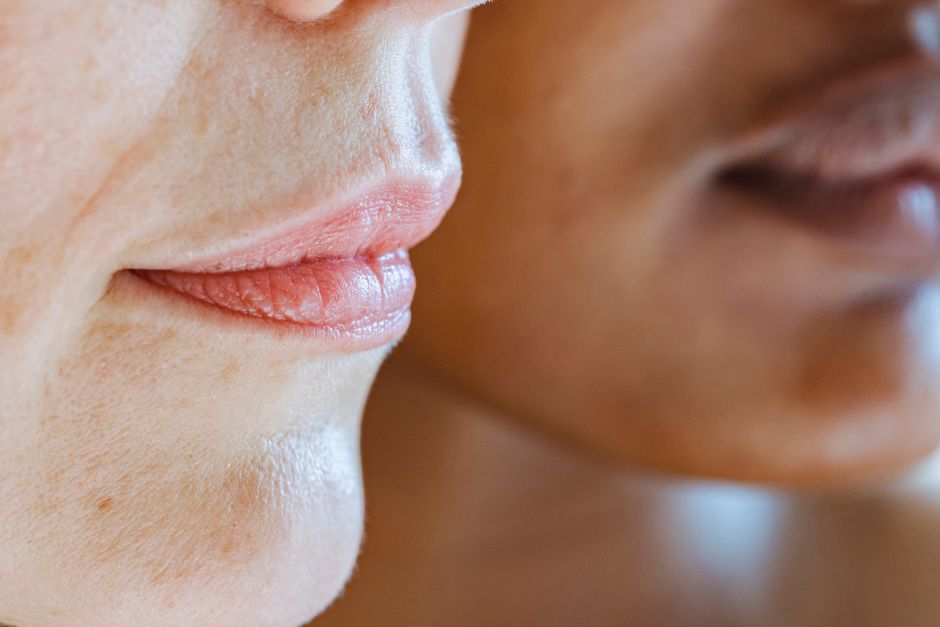
Dry, flaky skin on your lips is uncomfortable and can make you feel self-conscious. The three methods that actually work are gentle manual exfoliation, hydrating occlusion with a thick balm, and a warm damp cloth press. These methods rely on softening the dead skin first, then removing it without damaging the healthy tissue underneath. Skip the harsh scrubs and aggressive picking — those make the problem worse.
Why Does Dry Skin Build Up on Lips in the First Place?
Your lips have a thinner outer layer than the rest of your skin. They also lack oil glands. This means they lose moisture faster and have less natural protection against wind, dry air, and sun.
Research from dermatology clinics shows that chronic lip licking is a major cause of dry buildup. Saliva contains enzymes meant to digest food. When you lick your lips repeatedly, those enzymes break down the delicate skin barrier. The result is more peeling and a cycle that is hard to break.
Cold weather and indoor heating also strip moisture. Many people notice dry lips in winter for this reason. Sun exposure is another overlooked cause — lips can get sunburned just like the rest of your skin, and that damage shows up as peeling days later.
Some medications cause dry lips as a side effect. Accutane for acne, certain blood pressure drugs, and some chemotherapy agents are known culprits. If your dry lip skin appeared after starting a new medication, that is worth discussing with your doctor.
Does How To Get Dry Skin Off Lips 3 Methods That Work Actually Work?
Yes, these three methods work because they respect how lip skin behaves. The key is that dead lip skin needs to be softened before removal. Trying to rub or pick off dry flakes without softening first causes micro-tears in the skin underneath.
The first method is the warm damp cloth press. Take a clean washcloth and soak it in warm water — not hot. Press it gently against your lips for 60 to 90 seconds. The warmth and moisture soften the dead skin cells. Then wipe gently in small circles. The loose flakes come off without force. This method is backed by basic dermatology principles of hydration and gentle mechanical removal.
The second method is a hydrating occlusion layer. Apply a thick balm containing petrolatum, lanolin, or beeswax right after the cloth press. The balm seals in the moisture and continues softening any remaining dry patches. Over the next few hours, the dead skin naturally sloughs off during normal lip movement. You are not actively removing it — the balm does the work for you.
The third method is gentle manual exfoliation using a soft toothbrush or a clean fingertip. This should only be done after the lips have been soaked or moisturized for at least two minutes. The brushing motion should be light — if it feels abrasive, you are pressing too hard. This method works but carries the highest risk of irritation if done wrong.
What Does Research on Lip Skin Care Show?
Dermatologists at the American Academy of Dermatology recommend avoiding physical exfoliants on the lips. The AAD states that scrubs with sugar, salt, or crushed pits create micro-tears that weaken the lip barrier. Their clinical guidance favors hydration-based methods over abrasive ones.
A 2021 study in the Journal of Cosmetic Dermatology compared lip balms with different ingredients. The study found that formulations containing petrolatum or lanolin reduced water loss from lips by over 40 percent within two hours. Balms with waxes but no occlusive ingredient did not perform as well.
There is limited clinical research specifically on lip exfoliation techniques. Most evidence comes from general dermatology principles applied to the lip area. The consensus is that the lip skin barrier is fragile and should be treated with the same care as the skin around your eyes.
Some people report success with sugar-based lip scrubs. But the research does not support this as a recommended method. The perceived smoothness after using a scrub is often temporary swelling or irritation, not actual improvement in skin health.
| Method | Effectiveness | Risk of Irritation | Best For |
|---|---|---|---|
| Warm damp cloth press | High | Very low | Daily gentle removal |
| Hydrating occlusion balm | High | Low | Overnight treatment |
| Soft toothbrush exfoliation | Moderate | Moderate | Occasional stubborn flakes |




What Are the Side Effects of Removing Dry Lip Skin Incorrectly?
Picking or biting off dry skin is the most common mistake. It creates open wounds on the lips. These wounds can bleed, form scabs, and take days to heal. In some cases, they become infected. Bacterial infections on the lips require prescription antibiotic ointment.
Over-exfoliating is another problem. Doing any removal method more than once a day strips the healthy skin layer. This leaves lips raw, red, and more prone to future dryness. Some people get into a cycle of exfoliating because lips feel dry, which makes them drier, which makes them exfoliate again.
Allergic reactions to lip products are possible but less common. Fragrances, flavors, and certain preservatives in balms can cause contact dermatitis. The lips become itchy, swollen, or develop tiny blisters. If this happens, stop using the product and switch to a plain petrolatum-based balm with no added ingredients.
Sun sensitivity after aggressive exfoliation is a lesser-known risk. Removing the outer layer exposes fresh skin that burns more easily. If you exfoliate your lips, protect them with a lip balm containing SPF 30 or higher for the next few days.
What Ingredients Should You Look For in Lip Products?
Petrolatum is the most studied occlusive ingredient. It is the gold standard for preventing water loss. Lanolin is another strong option, though some people are allergic to it. Beeswax and shea butter are moderate occlusives that also provide some barrier protection.
Humectants draw water into the skin. Glycerin and hyaluronic acid are effective humectants for lips. But they work best when paired with an occlusive ingredient. Using a humectant alone on lips can actually increase dryness if the air around you is dry — the humectant pulls water from the lip skin and evaporates it into the air.
Avoid ingredients that create a tingle or burn. Camphor, menthol, phenol, and alcohol are common in lip products marketed for cold sores or medicated relief. These ingredients irritate the lip surface and can worsen the peeling cycle. The FDA has warned against using products containing these ingredients for long-term lip care.
- Do look for: petrolatum, lanolin, shea butter, glycerin, ceramides
- Do not look for: menthol, camphor, alcohol, fragrance, salicylic acid
- Use with caution: beeswax (good barrier but not deeply hydrating), coconut oil (can clog lip pores for some people)
How Often Should You Remove Dry Skin From Your Lips?
Once a week is a reasonable maximum for any active removal method. More frequent exfoliation does not speed up healing. It risks thinning the lip skin and causing rebound dryness.
For most people, a warm damp cloth press two to three times per week is enough. This keeps buildup from forming without stripping the healthy layer. Between sessions, a thick balm applied several times a day maintains hydration and prevents new dry patches from forming.
If you find yourself needing to exfoliate more than twice a week, the underlying issue is likely not dead skin buildup. It is chronic dryness or a skin condition. See a dermatologist if your lips stay dry despite consistent use of a petrolatum-based balm for two weeks.
Some skin conditions cause persistent lip peeling. Actinic cheilitis is a precancerous condition caused by long-term sun damage. It looks like persistent dry, scaly lips that do not respond to balm. Angular cheilitis causes cracks at the corners of the mouth. Both need medical diagnosis, not home exfoliation.
Common Misconceptions About Dry Lip Skin
Drinking more water does not fix dry lips unless you are severely dehydrated. The moisture in your lip skin comes from the environment and from topical products, not from internal hydration. Drinking water is good for overall health but it will not stop lip peeling.
Vaseline does not moisturize. It is an occlusive that traps existing moisture. This distinction matters. If you apply Vaseline to dry lips without dampening them first, it seals in dryness. Always apply occlusive balms over slightly damp lips for best results.
Lip balm addiction is not a real medical condition. Some people believe that using lip balm makes your lips dependent on it. That is not supported by research. What happens is that people stop producing their own natural moisture barrier because they constantly rely on balm. Stopping balm use abruptly can cause temporary dryness, but the skin adjusts back within a week.
Exfoliating before applying lipstick is not necessary. Many lipsticks contain waxes and oils that smooth over dry patches. Pre-exfoliating just for makeup application increases the risk of irritation for minimal cosmetic benefit.
Frequently Asked Questions
Can I use a toothbrush to scrub off dry lip skin?
Yes but only if you soak your lips in warm water first for at least one minute. Use the softest toothbrush you can find and apply very light pressure. Do not do this more than once a week.
Is it safe to peel off dry lip skin with my fingers?
No. Picking or peeling with fingers causes micro-tears that can bleed and become infected. Always soften the skin first with warmth and moisture before any removal method.
How long does it take for dry lip skin to heal?
With proper care, most dry lip skin resolves within three to seven days. If it lasts longer than two weeks despite using a thick balm, see a dermatologist for evaluation.
Does lip balm with SPF help prevent dry skin?
Yes. Sun damage is a common cause of lip peeling. Using a lip balm with SPF 30 or higher during daytime helps prevent future dryness and protects against actinic cheilitis.
