
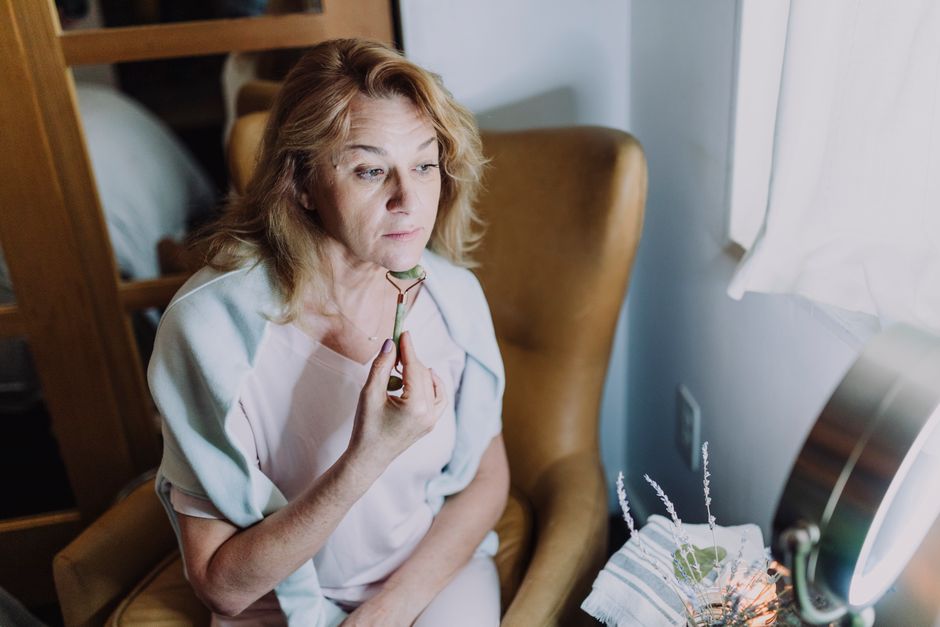
At-home light therapy devices do work for certain conditions, but the results depend heavily on the specific type of light, the condition being treated, and how consistently you use the device. Red and near-infrared light have the strongest evidence for skin rejuvenation and reducing fine lines. Blue light has good evidence for treating mild to moderate acne. For other claimed uses like pain relief, hair growth, or mood improvement, the science is more mixed or still emerging. No at-home device matches the power of clinical-grade equipment, but many can deliver measurable benefits if you choose wisely and use them correctly.
What Is At-Home Light Therapy?
At-home light therapy uses devices that emit specific wavelengths of light — usually red, blue, or near-infrared — to trigger biological responses in skin and tissues. The devices are typically handheld panels, masks, or wands that you use at home for a few minutes each day.
The idea is not new. Dermatologists have used light therapy in clinics for decades. But consumer devices have become much more affordable and popular in recent years. The key difference between home and clinical devices is power output. Clinic machines are stronger, which means fewer sessions and faster results. Home devices are weaker but still can produce effects over weeks or months of regular use.
The main types of light used in at-home devices are:
- Red light (around 630-660 nm) — penetrates shallow skin layers. Thought to stimulate collagen production and reduce inflammation.
- Near-infrared light (around 810-850 nm) — penetrates deeper into tissues. Used for joint pain, muscle recovery, and deeper skin repair.
- Blue light (around 405-470 nm) — kills acne-causing bacteria on the skin’s surface. Used mainly for acne treatment.
The science behind these wavelengths is well established. Red and near-infrared light are absorbed by mitochondria in your cells and can increase energy production (ATP). This may help cells repair and regenerate. Blue light has a direct antibacterial effect on Cutibacterium acnes, the bacterium involved in acne.
Does At-Home Red Light Therapy Work for Skin and Wrinkles?
Research consistently shows that red light therapy can improve skin texture, reduce fine lines, and boost collagen production. A 2014 study in Photomedicine and Laser Surgery found that participants using red light devices twice a week for 30 sessions had significant improvements in skin complexion, firmness, and wrinkle depth. More recent reviews confirm that red light stimulates fibroblasts, the cells that produce collagen.
But results are modest. At-home devices are not as powerful as clinical lasers or intense pulsed light (IPL) machines. You are unlikely to see dramatic changes in deep wrinkles or sagging skin. Most studies show mild to moderate improvement after several weeks of consistent use, around 2–4 sessions per week for 8–12 weeks. Maintenance is required — benefits fade if you stop using the device.
The evidence is strongest for people in their 30s to 50s with early signs of aging. There is less evidence for older skin with advanced photoaging. No clinical evidence currently confirms that at-home red light therapy works as well as in-office treatments for significant skin laxity or deep wrinkles.
Does Blue Light Therapy Work for Acne?
Blue light therapy has strong evidence for treating mild to moderate inflammatory acne. The blue wavelengths kill Cutibacterium acnes bacteria by producing reactive oxygen species that destroy the bacterial cell wall. This is a well-established mechanism, and multiple clinical trials support its effectiveness.
A 2019 meta-analysis in Dermatologic Therapy reviewed 14 studies and found that blue light therapy significantly reduced both inflammatory and non-inflammatory acne lesions compared to sham treatment. At-home blue light devices (often combined with red light in masks) produce similar effects but require longer or more frequent sessions than clinic devices.
Blue light does not treat acne by targeting oil production or clogged pores. It works only on the bacterial component. For that reason, it works best for people whose acne has a bacterial driver — red, inflamed pimples and pustules — rather than blackheads or whiteheads alone. Results typically appear after 4–8 weeks of daily or every-other-day use. No clinical evidence shows that blue light alone can cure severe cystic acne.
One important caution: blue light may cause skin darkening in people with darker skin tones (hyperpigmentation) if used improperly, though modern devices with lower intensity have reduced this risk. Always follow device instructions and start with shorter sessions.



Does Light Therapy Work for Pain and Inflammation?
Near-infrared light therapy has some evidence for reducing pain and inflammation, especially in joints and muscles. The deeper penetration of near-infrared wavelengths can reach tissues like tendons, ligaments, and small joints. Some studies show improvements in knee osteoarthritis, temporomandibular joint pain, and muscle soreness after exercise.
A 2017 systematic review in Archives of Physical Medicine and Rehabilitation found that low-level laser therapy (similar mechanism to at-home near-infrared devices) reduced pain and improved function in people with knee osteoarthritis. However, many of these studies used clinic-grade devices, not consumer products. At-home near-infrared devices have less power and may produce smaller effects.
The evidence is mixed for chronic pain conditions like fibromyalgia or back pain. Some small studies show benefit, but larger trials are lacking. For acute muscle soreness or minor joint pain, at-home near-infrared therapy may help, but it is not a replacement for physical therapy, exercise, or standard medical treatments. No large human trials have confirmed that it can reverse arthritis or heal tissue damage on its own.
If you have a known condition such as diagnosed arthritis, consult your doctor before relying on light therapy as a primary treatment.
How to Choose an At-Home Light Therapy Device
Not all devices are equal. The most important factors are wavelength, power density, and FDA clearance.
- Wavelength: Look for devices that specify their wavelengths in nanometers (nm). For red light, 630–660 nm is standard. For near-infrared, 810–850 nm. For blue light, 405–470 nm. Avoid devices that do not list their exact wavelengths.
- Power density: Measured in mW/cm². Higher numbers mean more energy delivered per session. Most home devices range from 10–50 mW/cm². Clinic devices may reach 100 mW/cm² or more. The treatment time is calculated based on power density — higher power allows shorter sessions.
- FDA clearance: Many at-home devices are FDA-cleared as general wellness or dermatological devices. This does not mean they are FDA-approved to treat a specific disease. Clearance indicates they are safe for their intended use, not that they cure any condition. Check the FDA database or the company’s claims.
- Surface area and fit: Masks cover a larger area than wands or panels, making them more convenient for full-face treatment. Panels are better for treating larger body areas like joints or muscles.
No clinical evidence currently confirms that more expensive brands work better than mid-range ones. Most devices use the same LED technology from the same manufacturers in Asia. The main differences are design, warranty, and marketing. Look for independent reviews that measure actual power output — some devices overstate their specifications.
Does At Home Light Therapy Work What Science Says About Safety
At-home light therapy is generally safe when used as directed. The most common side effects are mild: temporary redness, warmth, or tingling in the treated area. These usually resolve within minutes to hours.
Eye safety is a real concern. Bright red and near-infrared light can be uncomfortable and may cause retinal damage if you look directly at the source for long periods. Most devices come with eye protection, and you should always use it. Never stare at the lights, even if they do not seem bright.
People with photosensitive conditions (like lupus, porphyria, or taking certain antibiotics or diuretics that increase sun sensitivity) should avoid light therapy or talk to a doctor first. Blue light specifically can activate some photosensitizing medications.
Pregnant women should not assume light therapy is safe simply because it is non-invasive. There are no long-term studies on light therapy during pregnancy. Most manufacturers advise against use during pregnancy unless cleared by a doctor. The evidence is genuinely absent for this population.
Do not use light therapy over moles, skin lesions, or areas with active skin cancer. The light may stimulate growth in abnormal cells, though this risk is theoretical and not proven. Err on the side of caution.
Frequently Asked Questions
How long does it take to see results from at-home light therapy?
Most people notice subtle changes after 4 to 8 weeks of consistent use (3–5 times per week). Full results for skin texture and fine lines may take 12 weeks or more.
Is it safe to use at-home light therapy every day?
Yes, most devices are designed for daily use. However, more is not always better — overuse can cause skin irritation or dryness. Follow the manufacturer’s recommended session length and frequency.
Does at-home light therapy work for hair loss?
Some evidence suggests low-level laser therapy (red and near-infrared) may slightly increase hair density in people with androgenetic alopecia, but the results are modest and inconsistent across studies. No device can regrow hair on completely bald areas.
Can I use light therapy on any part of my body?
You can use it on most skin areas, but avoid direct eye exposure, open wounds, moles, and skin with suspicious lesions. For body areas with thick hair, the light may not reach the skin effectively.
