
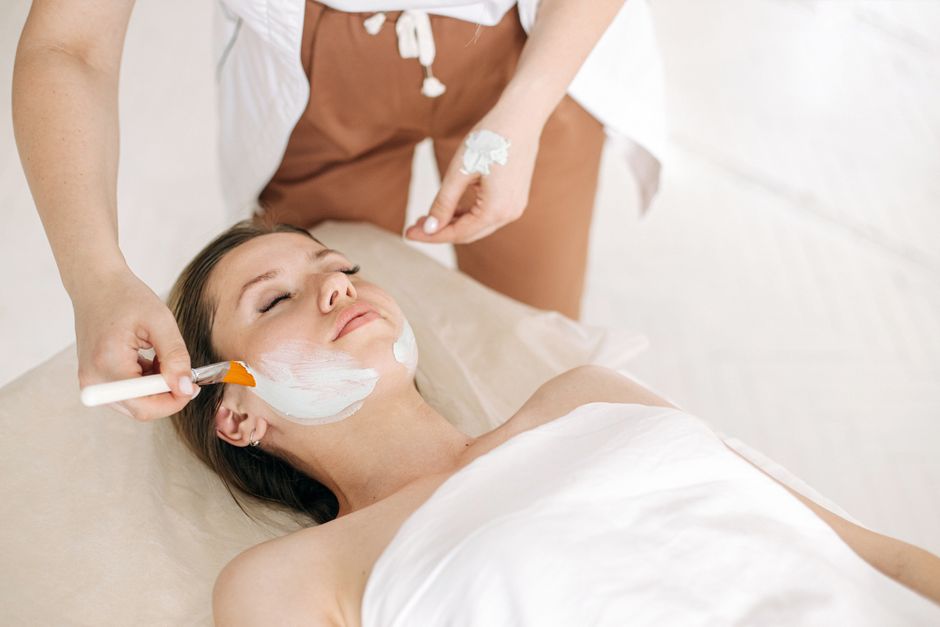
Before a microneedling session, a topical numbing cream is applied to the face. This is the standard pre-treatment step in most clinical settings. The cream contains an anesthetic, usually lidocaine, to reduce discomfort during the procedure.
The numbing cream is left on the skin for about 20 to 30 minutes. After that, it is wiped off completely before the microneedling device touches the skin. The skin is then sanitized with an antiseptic to reduce the risk of infection.
Some clinics also apply a chilled gel or a conductive medium. This helps the device glide smoothly over the skin. For most patients, the numbing agent is the only product applied before the needles penetrate the skin.
What Is Applied To The Face Before Microneedling?
The primary product is a topical anesthetic containing lidocaine. Lidocaine is a local anesthetic that blocks nerve signals in the skin. When applied to the surface, it numbs the outer layers enough to make the pinprick sensation tolerable.
These creams are available in different strengths. Over-the-counter versions contain lower concentrations. Professional-grade formulas used in clinics are stronger and require a prescription or medical supervision.
In some cases, the cream also contains tetracaine or benzocaine. These are additional anesthetics that work similarly to lidocaine. The exact combination depends on the clinic’s protocol and the patient’s pain tolerance.
How Long Before The Procedure Is The Numbing Cream Applied?
The numbing cream is typically applied 20 to 30 minutes before the procedure starts. This gives the anesthetic enough time to penetrate the stratum corneum, which is the outermost layer of the skin.
Applying it too briefly means the skin is not fully numb. Leaving it on too long can increase the risk of skin irritation or systemic absorption. Most clinics use a timer to keep the application time consistent.
After the waiting period, the cream is removed with a gentle cleanser or dry gauze. The skin must be completely free of the product before microneedling begins. Residual cream on the skin can interfere with the needles and reduce treatment effectiveness.
Why Is The Skin Sanitized After Numbing?
Once the numbing cream is removed, the skin is cleaned with an antiseptic. Common options include chlorhexidine or alcohol-based solutions. This step kills bacteria on the skin surface before the needles create micro-channels.
Microneedling punctures the skin hundreds of times per session. Each puncture is a potential entry point for bacteria. Sanitizing the skin significantly lowers the risk of infection.
The antiseptic is applied and allowed to dry before the procedure begins. This ensures the skin is both numb and sterile. Skipping this step is not considered safe practice in a clinical setting.





Is A Numbing Cream Always Used?
No. Some patients choose to undergo microneedling without any numbing agent. This depends on the needle depth, the area being treated, and the individual’s pain tolerance.
Shallow treatments, such as those using needles under 0.5 mm, may be tolerated without numbing. These are sometimes called “lunchtime” procedures because discomfort is minimal and recovery is quick.
Deeper treatments, such as those targeting scars or stretch marks, are more painful. For these, numbing cream is strongly recommended and is the standard of care in most clinics.
What Other Products Are Used On The Skin Before Microneedling?
Some providers apply a hydrating serum after numbing and before the procedure. This is not always the case. The serum helps the device glide and may reduce friction on the skin.
Hyaluronic acid is a common ingredient in these pre-treatment serums. It is a humectant that draws water into the skin. However, there is no strong clinical evidence that applying it before microneedling improves outcomes compared to applying it after.
Some clinics apply a chilled gel instead of a serum. The cooling effect adds comfort, but it is not a substitute for a numbing agent. It is an adjunct, not a replacement.
What Should You Avoid Applying Before Microneedling?
Retinoids, such as tretinoin and retinol, should be stopped several days before the procedure. These ingredients thin the outer skin layer and increase sensitivity. Using them before microneedling raises the risk of excessive irritation and prolonged redness.
Acid exfoliants like glycolic acid and salicylic acid should also be paused. They strip the skin barrier and make it more reactive. Most providers recommend stopping these products 3 to 5 days before treatment.
Do not apply makeup, sunscreen, or moisturizer on the day of the procedure unless your provider says otherwise. The face should be clean and free of surface products so the numbing cream can absorb properly.
Can You Apply Anything At Home Before Your Appointment?
You can prepare your skin at home, but you should not apply numbing cream yourself. Professional-strength anesthetics require supervision. Over-the-counter versions are weaker and may not provide adequate numbing for deeper treatments.
Wash your face with a gentle cleanser on the morning of the appointment. Avoid hot water and vigorous scrubbing. These can irritate the skin and make it more sensitive to the needles.
Do not apply vitamin C, niacinamide, or other active serums right before the procedure. These ingredients can cause stinging when the needles pass through the skin. Save them for the days after treatment unless your provider instructs otherwise.
Are There Risks From The Numbing Cream Itself?
Yes, but they are uncommon. The main concern is allergic contact dermatitis, which is a localized skin reaction to the anesthetic. Symptoms include redness, swelling, and itching at the application site.
Systemic toxicity is rare but possible if too much cream is applied or it is left on for too long. Symptoms include dizziness, confusion, and a metallic taste in the mouth. This is why professional supervision matters.
Tell your provider if you have a known allergy to lidocaine or any ester-type anesthetics. Also mention any history of liver or kidney disease, as these conditions affect how the body clears the drug.
What Does The Evidence Say About Pre-Procedure Products?
The evidence for numbing cream is well established. Lidocaine-based creams are widely studied and are considered safe and effective for reducing pain during dermatologic procedures.
The evidence for pre-treatment serums is weaker. Some research suggests that applying hyaluronic acid before microneedling may enhance product penetration. But no large controlled trials have confirmed that this improves clinical outcomes.
There is no evidence that applying vitamin C, growth factors, or peptides before microneedling provides additional benefit. These ingredients are better supported when applied after the procedure, when the micro-channels are open and absorption is higher.
Frequently Asked Questions
Does microneedling hurt without numbing cream?
Yes, especially for deeper treatments. Shallow procedures may be tolerable, but most patients report significant discomfort without numbing for needle depths above 0.5 mm.
Can I use over-the-counter numbing cream before microneedling?
You can, but it is generally weaker than professional-grade products. Ask your provider first, because some clinics prefer to apply their own anesthetic to control the dose and timing.
How soon before microneedling should I stop using retinol?
Most providers recommend stopping retinol 3 to 5 days before the procedure. This allows the skin barrier to recover and reduces the risk of excessive irritation.
Is it safe to apply numbing cream at home before an appointment?
No. Professional-strength anesthetics should only be applied under medical supervision. Incorrect application can lead to skin irritation or systemic side effects.
