
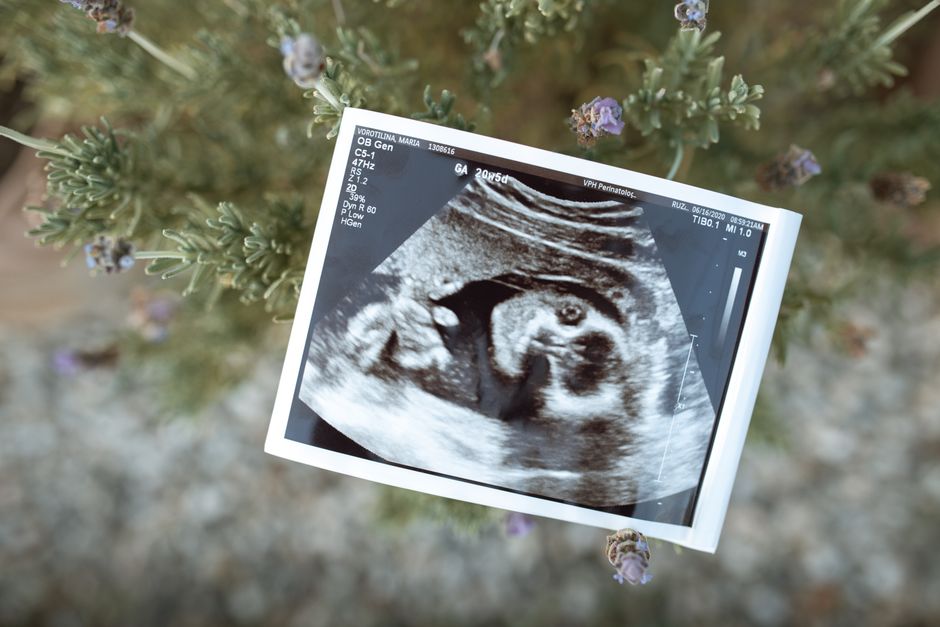
A baby is called an embryo from the moment of fertilization until the end of the eighth week of pregnancy. After that point, it is called a fetus. This is a standard medical definition used consistently by healthcare providers and researchers. The shift from embryo to fetus marks a clear milestone in human development, even though the change in name does not cause a sudden change in the baby itself.
How Long Is A Baby An Embryo Before Its A Fetus?
The embryo stage lasts for exactly eight weeks. Doctors count pregnancy from the first day of your last menstrual period, not from the day of conception. This means the embryo stage covers weeks 3 through 8 of pregnancy. Conception typically happens around week 2 or 3 of that timeline, so the embryo stage is about six weeks long when measured from fertilization itself.
At the end of week 8, the embryo officially becomes a fetus. This transition happens at the same point for every pregnancy, regardless of how the pregnancy was achieved. The definition does not change based on fertility treatments, maternal age, or any other factor.
The distinction matters for medical communication. When a doctor says “fetal development” or “fetal heart rate,” they are referring to a specific stage. Using the correct term helps patients understand exactly what stage of development their baby has reached.
What Happens During the Embryo Stage?
The embryo stage is the most rapid period of development in a person’s entire life. In just eight weeks, a single fertilized cell develops into a tiny human with recognizable features and functioning organs.
During the first few weeks, the embryo implants in the uterine lining and begins forming the three layers that will become all body tissues. The neural tube, which becomes the brain and spinal cord, closes by the end of week 6. The heart begins beating around week 5 or 6, often before a woman even knows she is pregnant.
By the end of week 8, the embryo has developed arm and leg buds, fingers and toes, and the beginnings of all major organ systems. The face is forming with eyes, ears, nose, and mouth visible. The embryo is about 1 inch long at this point and weighs less than a gram.
This is also the stage when the developing baby is most vulnerable to harm. Alcohol, certain medications, infections, and radiation can cause birth defects during these weeks because organs are actively forming. This is why doctors strongly advise avoiding alcohol and checking medication safety as soon as pregnancy is suspected.
What Changes When the Embryo Becomes a Fetus?
The name change from embryo to fetus reflects a shift in developmental priorities. The major organs have formed by week 9. The fetal stage is about growth, maturation, and refinement of those structures.
During the fetal stage, the baby grows from about 1 inch to around 20 inches at birth. Organs that formed during the embryo stage continue to mature. The brain undergoes massive development. The lungs develop the ability to breathe air, though they do not function fully until birth.
Movement becomes more noticeable. Most women feel fetal movement between weeks 18 and 22, though this varies. The fetus develops sleep-wake cycles, responds to sound and light, and practices breathing movements that prepare for life outside the womb.
No tissue is discarded or replaced at the transition point. The same continuous process of development simply crosses a naming threshold. The embryo does not change physically overnight at week 9. The name change simply marks that the foundation is complete and growth becomes the primary task.





Why Does the Embryo-Fetus Distinction Matter?
The distinction between embryo and fetus is not just medical jargon. It has practical importance for pregnancy care, legal matters, and research.
Doctors use the terms to communicate clearly about development. When a patient asks about fetal movement, the doctor knows she is past week 8. When a doctor mentions embryonic development, everyone understands they are talking about the earliest weeks.
The terms also matter for pregnancy loss. Miscarriage in the first trimester is often described in terms of embryonic development. Understanding the stage can help patients make sense of what happened and what to expect in future pregnancies.
Legal definitions vary by jurisdiction and can differ from medical definitions. Some laws use the term “unborn child” or “fetus” in ways that do not match clinical usage. Patients should understand that medical terminology and legal terminology are separate systems that do not always align.
For research purposes, the distinction helps scientists study specific developmental windows. Treatments and interventions may work differently during embryonic versus fetal stages, so precise terminology is essential for medical progress.
How Do Doctors Date Pregnancy and Determine the Stage?
Pregnancy dating uses a standard system that begins on the first day of the last menstrual period. This is why a woman is considered 2 weeks pregnant at the time of conception, even though the embryo does not exist yet.
An ultrasound can confirm the stage of development. In early pregnancy, ultrasound measurements of the embryo’s length provide accurate dating. The crown-rump length, which measures from the top of the head to the bottom of the buttocks, is the standard measurement used in the first trimester.
Most healthcare providers perform an early ultrasound between weeks 8 and 12. This scan confirms the due date, checks for a heartbeat, and verifies that the embryo or fetus is developing normally. The scan can also identify multiple pregnancies and check the location of the pregnancy to rule out ectopic implantation.
Some women have irregular cycles or do not know their last menstrual period date. In these cases, ultrasound dating becomes the primary method for determining gestational age. The measurements are most accurate in the first trimester because fetal growth rates are more consistent early in pregnancy.
Does the Embryo Stage Differ in IVF Pregnancies?
In vitro fertilization, or IVF, follows the same developmental timeline, but the dating works differently. Embryos are graded and transferred at specific stages, and the pregnancy is dated from the transfer rather than from a last menstrual period.
An embryo transferred on day 5 after fertilization is called a blastocyst. When this blastocyst implants, it develops along the same timeline as a naturally conceived embryo. The embryo stage still ends at the same developmental point, which corresponds to week 8 of pregnancy.
For IVF pregnancies, doctors calculate the due date based on the embryo transfer date and the embryo’s age at transfer. This calculation provides an accurate timeline even though the last menstrual period date is not applicable.
Patients undergoing IVF should ask their fertility clinic for their specific dating information. The clinic will provide a due date and explain when the embryo stage ends based on their calculation method.
Frequently Asked Questions
When does an embryo become a fetus?
An embryo becomes a fetus at the end of week 8 of pregnancy. This is a standard medical definition used by all healthcare providers.
How many weeks is the embryo stage?
The embryo stage lasts from conception through week 8 of pregnancy. This covers about 6 weeks of actual development after fertilization.
Is a baby at 8 weeks pregnant an embryo or fetus?
At exactly 8 weeks pregnant, the baby is still considered an embryo. The transition to fetus happens at the start of week 9.
Does the embryo to fetus change happen all at once?
No, the change is a naming milestone, not a physical event. Development is continuous, and the term change simply reflects that major organs have formed and growth becomes the focus.
Understanding the embryo and fetal stages helps you follow your pregnancy’s progress and communicate clearly with your healthcare team. The eight-week embryo stage is brief but foundational, setting the stage for everything that follows. If you have questions about your specific pregnancy timeline, ask your doctor or midwife for clarification based on your individual situation.
