
An unplanned pregnancy is a pregnancy that happens when you did not intend to become pregnant, or when you did not plan for it to happen at that time. It is also called an unintended pregnancy. The causes range from contraceptive failure to lack of access to birth control to relationship changes. The options available include parenting, adoption, and abortion. Each option has its own medical, emotional, and practical considerations. No single path is right for everyone, and the best choice depends on your personal situation, values, and support system.
What Causes an Unplanned Pregnancy?
Research from the Guttmacher Institute shows that about half of all pregnancies in the United States are unplanned. The most common cause is not using contraception at all. Many people skip birth control because they think they cannot get pregnant at that moment, or because they worry about side effects.
Contraceptive failure is the second most common cause. No method is perfect. Typical use of birth control pills has a failure rate of about 7 percent per year. Condoms fail about 13 percent of the time with typical use. Even IUDs, which are over 99 percent effective, can fail rarely. The difference between perfect use and typical use matters a lot.
Other causes include lack of sex education, limited access to healthcare, and pressure from a partner. Some people also experience contraceptive sabotage, where a partner intentionally interferes with birth control. Rape and sexual coercion also lead to unplanned pregnancies. The CDC reports that about 3 percent of women who have an unplanned pregnancy report that it resulted from sexual assault.
How Common Are Unplanned Pregnancies?
Unplanned pregnancy is not rare. According to the CDC, about 45 percent of all pregnancies in the United States are unintended. That is nearly 3 million pregnancies per year. Rates are highest among women aged 18 to 24, but unplanned pregnancies happen at every age.
People with lower income and less education have higher rates of unplanned pregnancy. This is not because of personal failure. It is because of barriers to healthcare, affordable contraception, and accurate information. The disparity is stark. Women in the lowest income bracket are about five times more likely to have an unplanned pregnancy than women in the highest income bracket.
Rates have been declining over the past decade. This is partly due to better access to long-acting reversible contraception like IUDs and implants. The Affordable Care Act also helped by requiring most insurance plans to cover birth control without a copay. Still, the United States has a higher rate of unplanned pregnancy than most other developed countries.
What Are the Options After an Unplanned Pregnancy?
There are three main options: parenting, adoption, and abortion. Each has its own timeline, cost, and legal considerations. You do not have to decide immediately. But some options have time limits, especially abortion.
| Option | Time Considerations | Cost Range | Key Facts |
|---|---|---|---|
| Parenting | No legal time limit | $12,000 to $18,000 in first year | Many support programs exist. WIC, Medicaid, and SNAP can help. |
| Adoption | Can be arranged before or after birth | Often free for birth parents | You can choose open, semi-open, or closed adoption. |
| Abortion | Varies by state. Most common in first trimester. | $350 to $750 for medication abortion | Legal in all states but with varying restrictions. |
These are not the only paths. Some people choose a combination. For example, you might start parenting and later place the child for adoption if things change. Each option is valid.





What Does the Research Say About Unplanned Pregnancy Outcomes?
Research published in the journal Contraception found that women who carry an unplanned pregnancy to term are less likely to receive early prenatal care. They also have higher rates of postpartum depression. This is not because they are bad parents. It is because an unplanned pregnancy often comes with more stress, less support, and fewer resources.
The Turnaway Study, a landmark research project from the University of California, San Francisco, followed women who sought abortions. Some received them. Others were turned away because they were past the gestational limit. The study found that women who were denied an abortion were more likely to live in poverty, more likely to stay in contact with an abusive partner, and less likely to have a positive vision for their future five years later.
Women who received an abortion were not more likely to have mental health problems. In fact, the study found that the main predictor of poor mental health was being denied an abortion. This contradicts a common myth that abortion causes psychological harm. The American Psychological Association has reviewed the evidence and reached the same conclusion.
How to Confirm a Pregnancy and Know Your Timeline
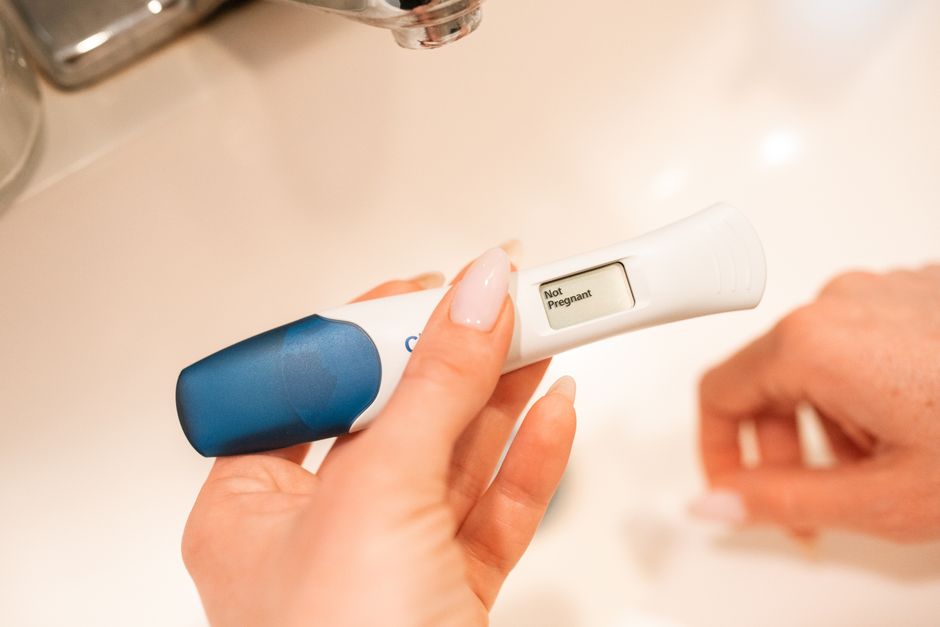
Home pregnancy tests are reliable if taken after a missed period. They detect human chorionic gonadotropin, or hCG, in urine. Most tests are over 99 percent accurate when used correctly. A positive test should be confirmed by a healthcare provider, especially if you want to know how far along you are.
Gestational age is measured from the first day of your last menstrual period. This matters because it determines what options are available. Abortion laws in many states restrict the procedure after a certain number of weeks. Adoption agencies also ask about gestational age when discussing plans.
An ultrasound is the most accurate way to date a pregnancy. It can also confirm that the pregnancy is in the uterus and not ectopic. An ectopic pregnancy, where the embryo implants outside the uterus, is a medical emergency and requires immediate treatment. It cannot be carried to term.
What to Avoid When Facing an Unplanned Pregnancy
Avoid making a decision under pressure. Some people feel rushed by a partner, a parent, or a deadline. Take the time you have. If you need more time to think, that is a valid reason to choose one option over another.
Avoid crisis pregnancy centers that pose as medical clinics. These centers often provide inaccurate information. They may claim that abortion causes breast cancer or infertility. Neither claim is supported by evidence. The National Cancer Institute and the American College of Obstetricians and Gynecologists have both stated that abortion does not increase breast cancer risk.
Avoid self-managing an abortion with herbs or medications not prescribed by a doctor. This is dangerous. The World Health Organization reports that unsafe abortion is a leading cause of maternal death globally. If you are considering abortion, seek care from a licensed provider.
How to Get Support and Reliable Information
Start with a trusted healthcare provider. A doctor, nurse practitioner, or Planned Parenthood health center can give you accurate medical information and help you understand your options. They can also connect you with social workers or counselors who specialize in pregnancy decisions.
Hotlines like the All-Options Talkline provide nonjudgmental support. They do not push any particular choice. They listen and help you think through what matters to you. This can be especially helpful if you feel isolated or unsure.
State-specific resources vary widely. Some states have programs that help with prenatal care, baby supplies, or adoption costs. Others have waiting periods and mandatory counseling for abortion. Knowing your state laws is essential. The Guttmacher Institute keeps an updated map of state policies.
Common Misconceptions About Unplanned Pregnancy
One common myth is that unplanned pregnancy only happens to irresponsible people. This is not true. People with advanced degrees, stable relationships, and good incomes also experience unplanned pregnancy. Birth control fails. Life happens. Judgment does not help anyone make a good decision.
Another myth is that adoption is always the best option because it gives the baby a good life. Adoption is a valid choice, but it is not right for everyone. Some people who place a child for adoption experience long-term grief. Others do not. There is no universal best option.
A third myth is that abortion is rare or unsafe. In reality, about 1 in 4 women in the United States will have an abortion by age 45. Abortion is one of the safest medical procedures when performed by a licensed provider. The risk of death from abortion is less than 1 per 100,000 procedures. Compare that to the risk of death from childbirth, which is about 14 per 100,000 in the United States.
Frequently Asked Questions
How do I know if I am pregnant?
Take a home pregnancy test after a missed period. If it is positive, see a healthcare provider for confirmation and an ultrasound.
Can stress cause a late period that mimics pregnancy symptoms?
Yes, stress can delay your period. But a negative pregnancy test means you are not pregnant from any recent sexual activity.
What is the safest option for an unplanned pregnancy?
There is no single safest option. All three options — parenting, adoption, and abortion — are medically safe when done with proper care and support.
How long do I have to decide on an unplanned pregnancy?
You have time to think. Abortion is time-sensitive and depends on your state laws. Parenting and adoption can be decided later in pregnancy or after birth.
