
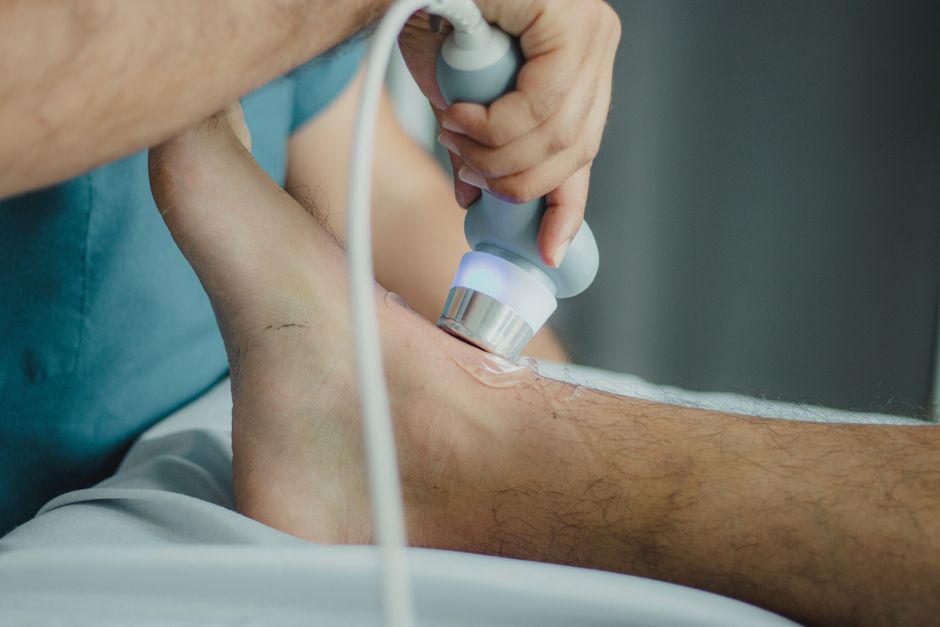
A right upper quadrant (RUQ) ultrasound is a painless imaging test that uses sound waves to create pictures of the organs in the upper right part of your belly. Doctors use it most often to examine the liver, gallbladder, bile ducts, pancreas, right kidney, and the large blood vessels in that area. It takes about 15 to 30 minutes, needs little to no preparation in most cases, and gives results that a doctor can often discuss with you the same day.
What Is a Right Upper Quadrant Ultrasound?
An ultrasound uses a small handheld device called a transducer. It sends high-frequency sound waves into the body and listens for the echoes that bounce back. A computer turns those echoes into real-time images. There is no radiation involved, which is one reason it is used so widely.
The right upper quadrant is the section of your abdomen below your right ribs and above your belly button. It holds several organs packed close together. Because they sit so near each other, one ultrasound can give a doctor a look at all of them at once.
The organs typically examined include:
- The liver, including its size, texture, and blood vessels
- The gallbladder and any stones or wall thickening
- The common bile duct and other bile channels
- The pancreas, though it can be partly hidden behind the stomach and bowel
- The right kidney
- The aorta and the inferior vena cava, two major blood vessels
One limitation worth knowing: ultrasound waves do not travel well through gas or bone. If bowel gas sits in front of an organ, that organ may be hard to see clearly. This is a genuine technical limit of the test, not a sign that anything is wrong.
What Is an RUQ Ultrasound Used For?
The most common reason for this scan is to check the gallbladder, especially when someone has pain under the right ribs. Gallstones are one of the most frequent findings.
Doctors order an RUQ ultrasound for a range of reasons:
- Pain in the upper right belly, often after fatty meals
- Suspected gallstones or inflammation of the gallbladder
- Yellowing of the skin or eyes, which can point to a bile duct blockage
- An abnormal liver blood test
- Enlarged liver or a suspected mass
- Fluid in the abdomen
- Kidney stones or a kidney blockage on the right side
- Follow-up of a known liver condition, such as fatty liver
It is also used to guide certain procedures, such as taking a sample of liver tissue. In that setting, the ultrasound helps the doctor see where the needle is going.
One clarification that surprises many people: an RUQ ultrasound is good at finding gallstones but is not a full screen for every digestive problem. It looks at structure, not function. It cannot tell you how well your liver is working the way a blood test can. It shows shape, size, and texture.
How Do You Prepare for an RUQ Ultrasound?
The main preparation is to avoid eating for several hours before the exam. A common instruction is nothing to eat or drink for about 6 to 8 hours beforehand. Fasting matters because food triggers the gallbladder to squeeze out bile, which shrinks it and makes it harder to see. A full stomach and gas-filled bowel also block the view.
Follow the specific instructions your clinic gives you, since timing can vary. If you take daily medications, ask whether you should take them with a small sip of water. Do not stop any prescription on your own.
Other practical points:
- Wear loose, comfortable clothing you can easily move.
- You may be asked to change into a gown.
- You will lie on your back, and the technologist may ask you to roll onto your side or hold your breath.
- A clear gel is applied to your skin. It may feel cool.
- The test is not painful. You may feel mild pressure from the transducer.
Tell the technologist if you have had gallbladder surgery, since that changes what they look for. Also mention if you might be pregnant, though ultrasound itself does not use radiation.





What Happens During and After the Exam?
A trained technologist, called a sonographer, performs the scan. They move the transducer across your belly and capture a series of images. They do not usually give you results on the spot, because a doctor interprets the images afterward.
The whole appointment often takes 30 to 45 minutes when you include check-in and getting settled. The scanning itself is usually 15 to 30 minutes.
Afterward, you can eat, drink, and return to your normal day right away. There is no recovery period and no after-effects from the test itself. If you had sedation for a related procedure, that is a separate matter and your care team will give you instructions.
What Do RUQ Ultrasound Results Show?
Results are read by a radiologist or your doctor, who writes a report describing what was seen. A normal result means the organs appear typical in size, shape, and texture, with no stones, blockages, or fluid where it should not be.
Abnormal findings can include:
- Gallstones, which appear as bright spots that cast a shadow
- Gallbladder wall thickening, which can suggest inflammation
- An enlarged bile duct, which can point to a blockage
- Fatty liver, which makes the liver look brighter than normal
- Liver masses or cysts
- Kidney stones or fluid buildup in the right kidney
- An enlarged aorta, which needs prompt attention
An abnormal result does not always mean something serious. Many findings are minor and simply need monitoring. Others need follow-up tests such as blood work, a CT scan, or an MRI. Your doctor puts the images together with your symptoms and lab results to decide what comes next.
Timing of results varies by clinic. Some provide them within a day. Others take longer. Ask when and how you will hear back so you are not left waiting in the dark.
How Does It Compare With Other Imaging Tests?
Each imaging test has strengths. The table below shows how an RUQ ultrasound generally compares with other common options for the same area.
| Test | Radiation | Best For | Main Limit |
|---|---|---|---|
| RUQ ultrasound | None | Gallbladder, gallstones, bile ducts | Blocked by gas or bone |
| CT scan | Yes | Detailed view of many organs, emergencies | Radiation exposure |
| MRI | None | Liver, bile ducts, pancreas in detail | Slower, costly, not for some implants |
For suspected gallstones, ultrasound is usually the first choice because it is quick, safe, and accurate for that purpose. For a detailed look at the pancreas or bile ducts, an MRI or a specialized MRI of the bile ducts may be better. CT is often used in emergencies when a doctor needs a fast, broad view.
Because ultrasound uses no radiation, it is often preferred when a test may need to be repeated or when a person wants to limit radiation exposure. That said, “no radiation” does not automatically make it the best test for every question. The right choice depends on what the doctor is looking for.
What Are the Risks and Limits?
An RUQ ultrasound has no known direct risks. It does not use radiation, and the sound waves used are considered safe for imaging. The main downside is that it may miss things or give an incomplete picture.
Specific limits to be aware of:
- Bowel gas can hide parts of the pancreas or bile ducts.
- It may not detect very small stones in the bile duct.
- It shows structure, not how organs are functioning.
- Results depend on the skill of the person doing the scan and reading it.
If the scan does not answer the question, your doctor may order a different test. That is normal and not a sign that anything went wrong. Sometimes one test simply cannot see everything, and a second look with another method fills in the gaps.
Frequently Asked Questions
Do I need to fast for an RUQ ultrasound?
Yes, most clinics ask you to avoid food and drink for about 6 to 8 hours before the exam. Fasting keeps the gallbladder full and the bowel free of gas, which makes the images clearer.
Is an RUQ ultrasound painful?
No, the test itself is not painful. You may feel mild pressure from the transducer, but there are no needles and no radiation involved.
How long does an RUQ ultrasound take?
The scan usually takes about 15 to 30 minutes. The full appointment, including check-in, often runs 30 to 45 minutes.
How soon will I get my RUQ ultrasound results?
Timing varies by clinic. Some share results within a day, while others take longer because a doctor must review the images first.
